

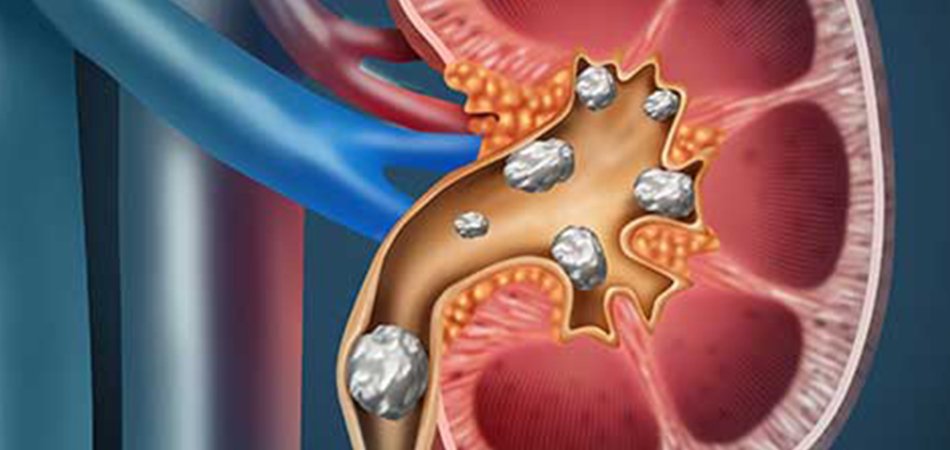
Kidney stones don’t just cause discomfort — they can stop your life in its tracks. If you’ve been told you need kidney stone surgery, you’re probably wondering: Which procedure is safest? Which clears stones best? And which will get me back on my feet fastest?
Modern treatment for kidney stone disease has evolved dramatically. Today, Laser lithotripsy, PCNL and RIRS are all minimally invasive options. The right choice depends on one key factor: your specific stone profile — size, location, anatomy and overall health.
Let’s break this down clearly.
Understanding Kidney Stone Disease
Kidney stone disease develops when minerals crystallise in the urine and form hard deposits in the kidney. Some remain small and pass naturally. Others grow larger, causing:
- Severe flank or abdominal pain
- Blood in the urine
- Nausea and vomiting
- Recurrent urinary infections
- Urinary obstruction
When stones fail to pass or complications develop, kidney stone surgery becomes necessary.
Overview of Modern Kidney Stone Surgery Options
All three major procedures — Laser lithotripsy, PCNL and RIRS — are considered minimally invasive. However, they differ significantly in approach and suitability.
1. PCNL (Percutaneous Nephrolithotomy)
How It Works
PCNL involves a small incision in the back to access the kidney directly. A tract is created into the kidney, allowing instruments to remove or fragment stones using ultrasonic, pneumatic or laser energy.
Best For:
- Stones larger than 20 mm
- Staghorn (branching) stones
- Complex or multiple stones
Key Data:
- Stone-free rate: 78–90% in a single session
- Hospital stay: 2–4 days
- Anaesthesia: General
Advantages:
- Highest single-session clearance for large stones
- Effective for complex anatomy
Risks:
- Higher bleeding risk
- Infection risk slightly higher than endoscopic procedures
According to EAU/AUA guidelines, PCNL remains the gold standard for large stone burden.
2. RIRS (Retrograde Intrarenal Surgery)
How It Works
RIRS uses a flexible ureteroscope passed through the urethra, bladder and ureter into the kidney — with no external incision. Stones are fragmented using a holmium laser.
Best For:
- Stones 10–20 mm
- Lower calyceal stones
- Patients wishing to avoid incisions
Key Data:
- Stone-free rate: 70–85% (may require repeat session)
- Hospital stay: 1–2 days
- Invasiveness: No incision
Advantages:
- Lower bleeding risk
- Suitable for patients with bleeding disorders
- Minimal scarring
RIRS is increasingly preferred in moderate-sized kidney stone disease, particularly when patients want faster recovery.
3. Holmium Laser Lithotripsy (“Laser” Treatment)
When people say “laser surgery,” they usually mean holmium laser lithotripsy, used during ureteroscopy or RIRS.
How It Works
A laser fibre precisely fragments stones into dust-like particles (“stone dusting”) that pass naturally or are removed with baskets.
Best For:
- Stones 5–20 mm
- Stones of any composition
- Patients needing highly precise fragmentation
Key Data:
- Stone-free rate: 90–95% in suitable cases
- Hospital stay: Outpatient or overnight
- Incision: None
Advantages:
- Highly precise
- Minimal tissue damage
- Quick recovery
- Safe for most patients
Laser-based kidney stone surgery has become one of the most versatile tools in modern urology.
Direct Comparison: Laser vs PCNL vs RIRS
| Factor | PCNL | RIRS | Holmium Laser |
| Ideal Stone Size | >20 mm | 10–20 mm | 5–20 mm |
| Incision | Small back incision | None | None |
| Stone-Free Rate | 78–90% | 70–85% | 90–95% (ideal cases) |
| Hospital Stay | 2–4 days | 1–2 days | Same day/1 day |
| Bleeding Risk | Moderate | Low | Minimal |
How Stone Size Determines the Best Kidney Stone Surgery
One of the strongest predictors of treatment choice is stone size:
- <10 mm: Often trial of conservative therapy or shockwave first
- 10–20 mm: RIRS with holmium laser preferred
- >20 mm: PCNL recommended
That said, multi-session RIRS can sometimes match PCNL outcomes in select cases.
Additional Factors That Influence the Decision
Choosing the best kidney stone surgery isn’t only about size. Surgeons also consider:
- Stone location (lower pole stones may behave differently)
- Stone composition
- Kidney anatomy
- Obesity
- Bleeding disorders (RIRS safer option)
- Active infection
- Previous surgeries
Every case of kidney stone disease requires imaging-based personalisation.
Why Minimally Invasive Surgery Is Now the Standard
Years ago, open surgery was common. Today, almost all kidney stone surgery procedures are minimally invasive. This means:
- Smaller wounds
- Less pain
- Faster recovery
- Reduced complication rates
- Better cosmetic outcomes
Advances in flexible scopes and laser energy have transformed outcomes significantly.
FAQ: Kidney Stone Surgery
Which kidney stone surgery has the highest success rate?
PCNL offers the highest single-session success for large stones (>20 mm). Laser lithotripsy offers excellent results (90–95%) for small to medium stones.
Is laser better than PCNL?
For small and medium stones, laser treatment is less invasive and often sufficient. For large stones, PCNL is more effective in a single session.
How long does recovery take?
- Laser/RIRS: 3–5 days to normal activity
- PCNL: 1–2 weeks
Can kidney stones return after surgery?
Yes. Kidney stone disease has recurrence rates up to 50% within five years without preventive care.
Which option is safest for someone with bleeding risk?
RIRS with holmium laser is typically safer due to lower bleeding risk.
Which Kidney Stone Surgery Is Right for You?
There is no universally “best” option — only the best option for your stone.
- Large, complex stones → PCNL
- Medium stones → RIRS with laser
- Small stones → Laser lithotripsy
The key to successful kidney stone surgery lies in expert evaluation, precise imaging and individualised planning.
Dr. Mahesh K Dhanjee remains committed to advanced surgical techniques and the latest technologies in managing kidney stone disease. From renal stones and prostatic disease to paediatric urology, incontinence, renal oncology and erectile dysfunction, every patient is treated with discretion, technical excellence and compassion. No concern is too small, and no question is dismissed.If you’re struggling with kidney stones, early specialist assessment can prevent complications and help you return to comfort sooner than you might expect.
Book Your Consultation Today
