

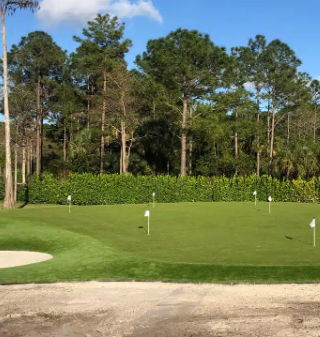
Introduction to Artificial Turf Putting Greens
Artificial turf putting greens have revolutionized the way golf enthusiasts practice at home. With improvements in technology and materials, residential putting greens offer a realistic, low-maintenance alternative to natural grass. Whether you’re a seasoned golfer or a beginner looking to sharpen your short game, installing an artificial turf putting green can transform your backyard into a personal golf retreat.
Why Choose Artificial Turf?
Unlike natural grass, artificial turf doesn’t require watering, mowing, fertilizing, or constant care. High-quality synthetic putting greens are designed to mimic the roll and feel of real greens, delivering consistent performance year-round. This makes them an appealing investment for homeowners who want both convenience and playability without the ongoing maintenance demands of natural turf.
Key Benefits:
- Low maintenance: No mowing or watering.
- Durable: Lasts for many years, even in heavy use areas.
- Consistent play: Smooth, predictable putting surface.
- Water savings: Environmentally friendly and drought-resilient.
Planning Your Putting Green Installation
Before installation begins, planning is critical. Start by assessing the available space in your yard. Putting greens can range from a small practice pad to a multi-hole layout. Decide whether you want a simple 10-foot by 15-foot surface or a more elaborate design with slopes, undulations, and multiple cups.
Site Preparation
Good preparation ensures better drainage and a smooth surface. Typical steps include:
- Clearing the area: Remove existing sod, debris, and rocks.
- Leveling the base: A graded sub-base (usually crushed stone or decomposed granite) is compacted to create a stable foundation.
- Installing edges and borders: These define your putting surface and help keep turf secure.
Turf Selection: What to Look For
Not all artificial turf is created equal. Putting green turf has unique characteristics compared to standard landscape turf. Key aspects to consider include:
- Pile height: Short, dense fibers that promote a true roll.
- Face weight: Heavier turf delivers more consistency and durability.
- Backing quality: Strong backing enhances longevity and anchoring.
Choosing the right turf makes a big difference in how your putts roll. Quality putting green turf will be designed to replicate the speed and feel of a real green.
Installation Process Overview
Professional installers follow a series of steps to make sure your putting green delivers top performance:
- Base preparation: A compacted aggregate base ensures proper drainage.
- Weed barrier layer: A protective layer keeps unwanted growth from the surface.
- Turf laying and trimming: The synthetic turf is carefully laid, cut, and secured.
- Infill and brushing: Special infill materials help support the fibers and create an ideal putting surface.
- Cup placement: Golf cups are installed according to your design preferences.
A professional installation minimizes future problems like uneven surfaces or poor drainage.
Maintenance Tips for Longevity
While artificial turf is low maintenance, routine care helps preserve its look and performance:
- Brush regularly to keep fibers upright.
- Remove debris like leaves and sticks.
- Rinse seasonally to keep it clean.
- Inspect edges and seams to ensure long-lasting integrity.
With the proper care, your putting green can remain in excellent condition for over a decade.
Conclusion
Installing an artificial turf putting green is a smart investment for any golf lover. With minimal maintenance and maximum enjoyment, it brings the golf course straight to your backyard. Proper planning, quality materials, and professional installation set the foundation for a reliable, fun putting surface that enhances your home and your game.
