

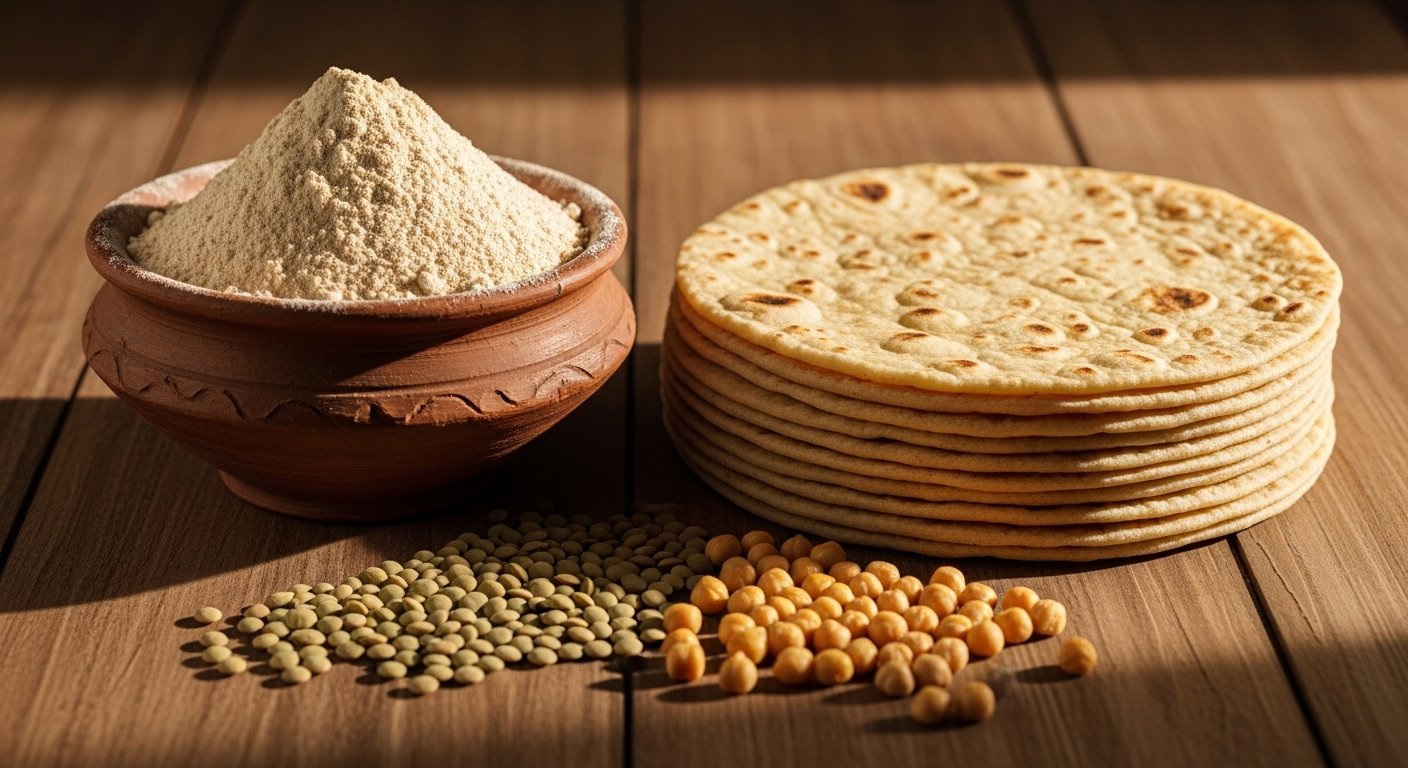
Every Indian household revolves around roti. It’s the one food that makes it to the table at almost every meal — for breakfast as a paratha, lunch as a phulka, or dinner wrapped around a bowl of dal. But while rotis have been a dietary staple for centuries, the atta we make them from has evolved.
Enter: high protein atta — a next-generation flour that looks familiar but delivers far more nutritional value than your regular chakki atta. As more Indians shift toward health-conscious eating without wanting to give up their food traditions, high protein atta has emerged as one of the most practical and popular dietary upgrades.
In this blog, we break down everything you need to know: what high protein atta is, how it compares to regular wheat atta, who should use it, and how to pick the right one for your kitchen.
What Is High Protein Atta?
High protein atta is a type of wheat flour that has been specially formulated or blended to deliver a significantly higher protein content per serving compared to standard whole wheat flour.
Regular atta typically contains about 10–12 grams of protein per 100 grams. High protein atta, depending on the brand and formulation, can offer anywhere from 13 to 20+ grams of protein per 100 grams — a meaningful jump that adds up over the course of a day.
This is usually achieved by:
- Using high-protein wheat varieties (like hard wheat or durum-blend wheat)
- Blending wheat flour with plant-based protein sources such as soya, chickpea (besan), lentil, or pea protein
- Fortifying the flour with added protein isolates or concentrates
Most high protein atta products are designed to taste, handle, and cook just like regular atta — so your rotis still puff, your dough still stretches, and your parathas still brown beautifully.
High Protein Atta vs. Regular Wheat Atta: A Nutritional Comparison
Here’s a quick snapshot of how the two compare nutritionally (approximate values per 100g):
| Nutrient | Regular Atta | High Protein Atta |
| Protein | 10–12g | 14–20g+ |
| Calories | ~340 kcal | ~330–360 kcal |
| Carbohydrates | 70–72g | 55–68g |
| Fibre | 2–3g | 3–6g |
| Fat | 1–2g | 1.5–3g |
| Iron | Low-Moderate | Moderate-High |
The key takeaway: High protein atta gives you more protein per roti with minimal difference in taste or cooking experience.
Top Benefits of High Protein Atta
1. Helps Meet Your Daily Protein Needs
India has a well-documented protein deficiency problem. Studies suggest that 80% of Indians don’t consume adequate protein. Since rotis are consumed multiple times a day, switching to high protein atta can add 6–10 extra grams of protein daily — without changing your eating habits.
2. Supports Muscle Growth and Recovery
Whether you’re a gym-goer, a recreational athlete, or simply an active adult, protein is essential for repairing and building muscle tissue. High protein atta makes it easier to hit your protein targets through everyday meals rather than relying solely on supplements.
3. Aids in Weight Management
Protein is the most satiating macronutrient. High protein rotis keep you fuller for longer, reducing the urge to snack or overeat. If you’re on a weight loss or calorie-controlled plan, swapping to high protein atta can help you manage hunger without giving up on rotis.
4. Better Blood Sugar Management
Higher protein content means a lower carbohydrate proportion. This can contribute to a lower glycemic response — meaning your blood sugar rises more gradually after eating. This makes high protein atta a smarter choice for people with diabetes or insulin resistance, though portion control and overall diet still matter.
5. Great for Kids and Growing Individuals
Children, teenagers, and pregnant or breastfeeding women have elevated protein requirements. High protein atta allows families to quietly boost protein intake through everyday meals — a much easier approach than convincing a picky eater to try a protein shake.
6. Supports Vegetarian and Vegan Diets
For vegetarians and vegans who rely on plant-based protein sources, high protein atta is a valuable addition. When blended with legume-based proteins, it also provides a more complete amino acid profile than plain wheat flour.
Who Should Switch to High Protein Atta?
High protein atta is suitable for almost everyone, but it’s especially beneficial for:
- Fitness enthusiasts and bodybuilders looking to maximize protein from food
- People trying to lose weight or control appetite
- Diabetics or pre-diabetics managing blood sugar levels
- Vegetarians and vegans with limited high-protein food options
- Growing children and teenagers
- Elderly individuals with increasing protein needs
- Busy professionals who don’t have time to cook separate high-protein meals
Essentially, if you eat rotis regularly (and most Indians do), high protein atta is a simple, low-effort upgrade.
How to Use High Protein Atta in Your Kitchen
One of the biggest advantages of high protein atta is that it’s a drop-in replacement for regular atta. Here’s how you can use it:
For Rotis and Phulkas
Use it exactly as you would regular atta. Knead with warm water, rest the dough, and roll thin. High protein rotis may be slightly denser but puff just as well on a tawa.
For Parathas
Ideal for aloo paratha, gobi paratha, and paneer paratha — the dough handles and stretches well. The higher protein content also makes the paratha more filling.
For Theplas, Puris, and More
High protein atta works in most Indian bread preparations. You may need slightly more water while kneading since higher protein flours absorb more moisture.
For Baking
You can partially substitute it in whole wheat bread recipes, muffins, or banana bread for added nutrition. Note that baked goods may have a slightly nuttier flavor and denser texture.
Pro Tip: If your dough feels stiffer than usual, add a tablespoon of extra water at a time until you get the right consistency.
What to Look for When Buying High Protein Atta
Not all high protein atta products are created equal. Here are the factors to consider before buying:
1. Protein Content Per Serving
Always check the nutrition label. Look for atta that delivers at least 14–15g protein per 100g. Anything below 13g is barely different from standard atta.
2. Protein Source
Look for natural protein sources like soy protein, chickpea flour, lentil flour, or pea protein over artificial additives. Natural blends tend to be more nutritious and digestible.
3. No Unnecessary Additives
Avoid products with artificial preservatives, excess sodium, added sugar, or refined flour blended in. The ingredient list should be clean and readable.
4. Whole Grain or Stone-Ground?
Whole grain atta retains the bran and germ, making it more nutritious. Stone-ground (chakki atta) preserves more fibre and nutrients than roller-milled flour. The best high protein atta will combine whole grain wheat with quality protein sources.
5. Taste and Texture
Some high protein flours can taste earthy or beany (especially soy-heavy blends). If you’re sensitive to flavour changes, look for brands that specifically mention a neutral taste profile or wheat-forward formulations.
6. Certifications
Look for FSSAI-certified products and trusted brand credentials. Third-party testing or quality assurance seals are a bonus.
Common Myths About High Protein Atta — Debunked
Myth 1: It doesn’t taste like real atta. Reality: Most well-formulated high protein atta brands are virtually indistinguishable in taste from regular atta, especially once paired with dal, sabzi, or chutney.
Myth 2: It’s only for gym people. Reality: High protein atta benefits everyone — kids, seniors, diabetics, and homemakers — not just athletes.
Myth 3: It’s too expensive. Reality: While slightly pricier than standard atta, the cost per roti is still modest — often just a few rupees more — making it an affordable health investment.
Myth 4: You need to change your recipe. Reality: Just use it as a 1:1 replacement for your regular atta. No recipe overhaul needed.
Myth 5: More protein = more calories. Reality: High protein atta often has a similar or even slightly lower calorie count than regular atta, depending on the formulation.
High Protein Atta and the Indian Diet: A Natural Fit
The Indian diet is carbohydrate-dominant — rice, rotis, and bread form the caloric backbone of most meals. This isn’t necessarily bad, but when protein intake is consistently low, it can lead to muscle loss, fatigue, weakened immunity, and slow metabolism over time.
High protein atta allows Indians to boost nutrition without requiring any major dietary overhaul. You don’t need to count macros, prep special meals, or develop new cooking habits. Your roti stays your roti — it just works harder for your body now.
It’s also an excellent way for families to improve nutrition across all age groups simultaneously, since everyone eats the same rotis.
Frequently Asked Questions (FAQs)
Q: Can I replace regular atta with high protein atta completely? A: Yes. Most high protein atta products are designed as complete replacements. You can use them exclusively or mix them 50:50 with regular atta if you prefer a milder transition.
Q: Is high protein atta suitable for diabetics? A: Generally yes, since the higher protein and fibre content can moderate the glycaemic response. However, diabetics should consult a nutritionist before making significant dietary changes.
Q: Does high protein atta contain gluten? A: Yes, since most high protein atta is wheat-based, it contains gluten. If you’re gluten-intolerant, look for high protein gluten-free alternatives made from chickpea, millet, or lentil flour.
Q: How should I store high protein atta? A: Store it in an airtight container in a cool, dry place. Some blends (especially those with legume flours) have a shorter shelf life than pure wheat atta, so always check the expiry date.
Q: Can children eat high protein atta? A: Absolutely. Children need adequate protein for growth and development, and high protein atta is a simple, delicious way to help meet those needs.
Final Thoughts: Is High Protein Atta Worth It?
High protein atta isn’t a fad. It’s a thoughtful, practical response to a genuine nutritional gap in the average Indian diet. The fact that it integrates seamlessly into existing cooking habits makes it one of the most accessible health upgrades available today.
If you’re looking to eat healthier without overhauling your lifestyle, start here — with your atta. It’s a small change that shows up at your table every single day, compounding its benefits over time.
Whether you’re training for fitness, managing weight, feeding a growing family, or simply trying to eat a little better, high protein atta is worth every rupee.
Read More: atechvibe
