

Have you ever left an event with nothing but a vague memory of the brand?
That’s the real problem most promotions face. People interact, enjoy the moment, then forget who hosted it.
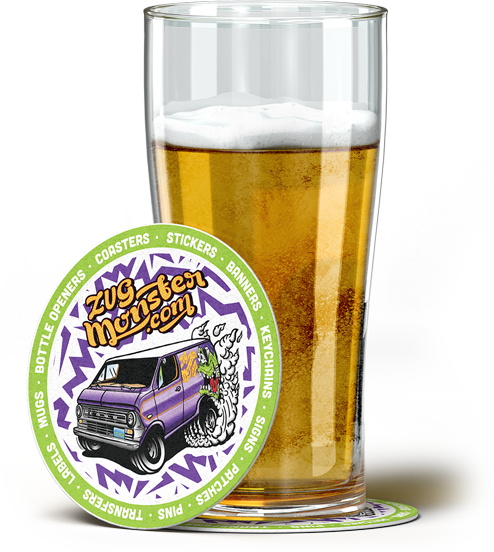
Smart brands fix this gap with tactile, useful items that stay in hand longer. One of the simplest tools that does this quietly well is custom drink coasters.
This post explains how they strengthen memory, increase engagement, and turn short interactions into lasting brand impressions you can actually measure.
Why physical touchpoints outperform passive branding
Digital impressions fade fast. Physical interaction stays longer in memory. That difference shapes how people recall brands after events.
When guests hold a beverage, their attention narrows naturally. Their focus shifts to comfort and experience. A well-designed coaster becomes part of that moment. Because of this, the brand connects to a relaxed emotional state. That association increases recall without aggressive promotion.
Moreover, tactile marketing works through repetition. Guests pick up drinks several times. Each interaction repeats visual exposure. Over time, repetition strengthens recognition pathways in the brain. Consequently, recall improves even without conscious effort.
Additionally, physical items encourage micro-pauses. When people set down a glass, they glance downward. That tiny pause allows logos, taglines, or visuals to register. Digital banners rarely receive that uninterrupted attention.
Event marketers consistently report higher memory retention from functional promotional items. Practical products remain visible throughout the experience. Unlike flyers, they are not discarded instantly. Instead, they integrate naturally into behavior.
The psychology behind memory triggers in event marketing
Brand recall depends heavily on sensory association. Visuals alone rarely create strong memory anchors. However, when sight combines with touch and context, retention increases significantly.
- Coasters activate multi-sensory encoding. Guests feel texture, see design, and link it to a social environment. That layered experience forms stronger neural connections. As a result, the brand becomes easier to retrieve later.
- Context also matters. People remember where they encountered something. If the setting feels enjoyable, memory strengthens further. Therefore, positive event experiences amplify promotional effectiveness.
- Color psychology plays a major role as well. High-contrast designs improve visual processing speed. Simple typography enhances readability under low lighting. Meanwhile, distinct shapes increase novelty recognition.
- Another important factor is usefulness. Items that solve small problems feel valuable. A coaster prevents spills and protects surfaces. Because it performs a function, guests perceive it positively. That emotional reaction transfers to the brand identity displayed.
- Additionally, durability extends exposure beyond the event. Many attendees take branded table accessories home. This transition shifts the brand from a temporary encounter to a daily presence. Repeated home exposure deepens familiarity over time.
Comparing promotional tools: Visibility vs Retention
Event planners often choose between visibility and longevity. Some tools attract attention briefly. Others maintain a subtle presence longer.
Understanding this difference helps optimize marketing budgets.
| Promotional Item | Visibility Duration | Interaction Level | Post-Event Retention | Brand Recall Impact |
| Flyers | Very short | Low | Rarely kept | Minimal |
| Stickers | Medium | Moderate | Sometimes kept | Moderate |
| Branded cups | Short | Functional | Rarely reused | Moderate |
| Table signage | Passive exposure | None | Not retained | Low |
| Coaster branding | Continuous | High | Often reused | Strong |
This comparison highlights a key insight. Interaction drives memory more than exposure alone. Items integrated into behavior outperform purely visual assets.
Moreover, reusable merchandise extends campaign lifespan without additional cost. Every reuse creates another brand impression. Over time, that compound exposure improves recognition rates.
Cost efficiency also improves. Instead of printing disposable materials repeatedly, businesses invest once in functional branding. That shift reduces waste and increases marketing lifespan.
Therefore, custom drink coasters balance cost, visibility, and retention effectively. They work quietly yet persistently.
Design elements that strengthen recall impact
Not all promotional items perform equally. Design determines whether guests remember or ignore the brand.
- Clarity comes first. Clean layouts prevent cognitive overload. When visuals feel simple, recognition happens faster. Logos should remain prominent yet not overwhelming.
- Material choice influences perception. Thicker substrates signal quality. Premium texture communicates professionalism without words. Guests subconsciously associate material strength with brand reliability.
- Color contrast improves readability under event lighting. Many venues use dim or warm illumination. High contrast ensures visuals remain clear regardless of the environment.
- Shape variation also enhances memorability. Circular designs feel traditional and safe. However, unique silhouettes create novelty. Novelty captures attention without requiring a larger size.
- Messaging should stay concise. Short taglines outperform long descriptions. Guests scan quickly, so simplicity supports retention.
Additionally, alignment between event theme and visual design matters greatly. Cohesive branding strengthens recognition across touchpoints. When visuals match the atmosphere, memory encoding becomes stronger.
Businesses that apply these principles turn functional items into branding assets. Thoughtful design transforms utility into strategy.
Practical ways businesses use branded table accessories
Different industries apply this strategy uniquely. Hospitality venues often integrate them into service flow. Guests interact repeatedly during meals or drinks. Consequently, exposure remains consistent.
Trade shows use tabletop branding to guide conversation. When attendees place beverages down, the brand becomes a natural discussion starter. This subtle prompt encourages engagement without pressure.
Local businesses distribute them during community events. Because attendees often take them home, brand visibility extends into daily life. That shift from event memory to household familiarity builds trust gradually.
E-commerce brands include them in product packaging. This tactic connects digital shopping with physical experience. Customers encounter branding beyond the screen.
Meanwhile, event sponsors use them to reinforce presence without dominating space. Subtle integration feels more authentic than aggressive signage.
Across these scenarios, the mechanism remains consistent. Repetition, usefulness, and sensory association drive recall. That combination explains why custom drink coasters continue to gain popularity in experiential marketing.
FAQs
Do branded table accessories really improve memory retention?
Yes, because they combine physical interaction with visual exposure. People engage repeatedly without conscious effort. That repetition strengthens recognition pathways naturally.
What design style works best for event promotions?
Simple, high-contrast designs perform best. Clear logos and concise messaging improve recognition speed. Material quality also influences perceived brand value.
Are reusable promotional items more effective than disposable ones?
Reusable items extend exposure beyond the event. Continued use increases familiarity and trust. Disposable materials rarely provide ongoing visibility.
Can small promotional products influence purchasing decisions?
Yes, when they create positive associations. Useful items link brands with convenience and comfort. Emotional association often shapes decision-making later.
Should branding be subtle or bold on event merchandise?
Balanced visibility works best. Branding should remain clear yet not intrusive. Subtle integration improves acceptance and engagement.
How do event giveaways support long-term brand strategy?
They transform temporary encounters into lasting reminders. Reusable items maintain brand presence over time. This continuity strengthens overall marketing impact.
The Final Words
Brand recall rarely happens by accident. It grows from repeated, meaningful interaction. Functional promotional items succeed because they blend into real behavior. When guests use something naturally, they remember it naturally.
That principle explains the growing popularity of custom drink coasters in event marketing. They combine visibility, usefulness, and sensory association in one simple format. Businesses seeking stronger event impact should prioritize practical branding tools that remain in hand longer.
Explore high-quality promotional table accessories that match your event goals and turn every interaction into a lasting brand memory.
