

The oil and gas industry doesn’t get a free pass anymore. Not from regulators. Not from communities. And definitely not from the air quality standards that keep tightening every year. Emissions are under the microscope. Especially volatile organic compounds like benzene, toluene, ethylbenzene, and xylene — the BTEX group.
If you’re operating a site with storage tanks, separators, or production equipment, you already know this isn’t just paperwork. It’s real compliance pressure. That’s exactly where A-Frame BTEX Systems step in. They’re not flashy. They’re not complicated for the sake of it. They just work. And in this industry, that’s what matters.
Let’s break it down without overcomplicating things.
Understanding the BTEX Problem in Oil and Gas
BTEX compounds are a byproduct of hydrocarbon production. They escape during storage, transfer, and processing. Sometimes slowly. Sometimes in noticeable bursts. Either way, they’re harmful.
Benzene, especially, is heavily regulated because of its health risks. Exposure limits are low. Reporting requirements are strict. Regulators don’t play around with this stuff.
What makes it tricky is that emissions don’t always look dramatic. It’s not smoke pouring into the sky. It’s vapor. Invisible. Quiet. But measurable. And measurable means enforceable.
That’s why emission control systems aren’t optional anymore. They’re part of the operating cost of doing business.
What Are A-Frame BTEX Systems, Really?
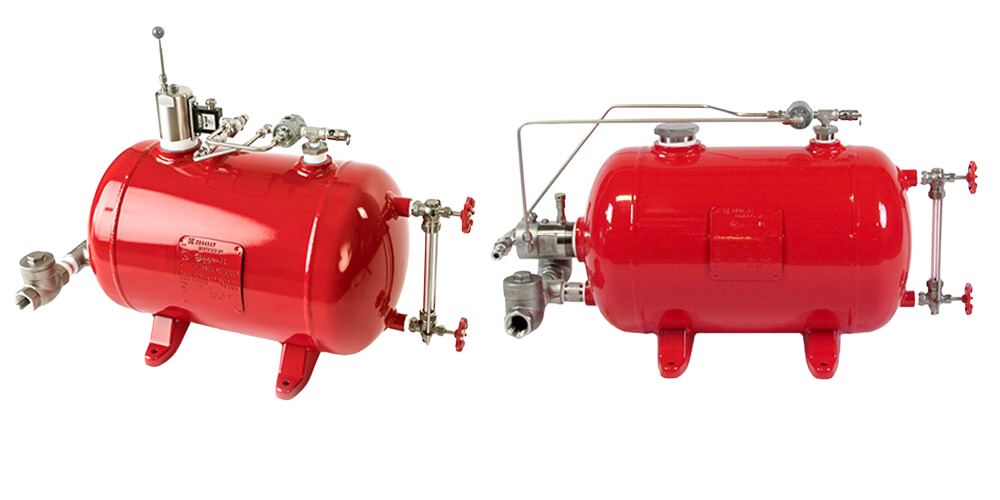
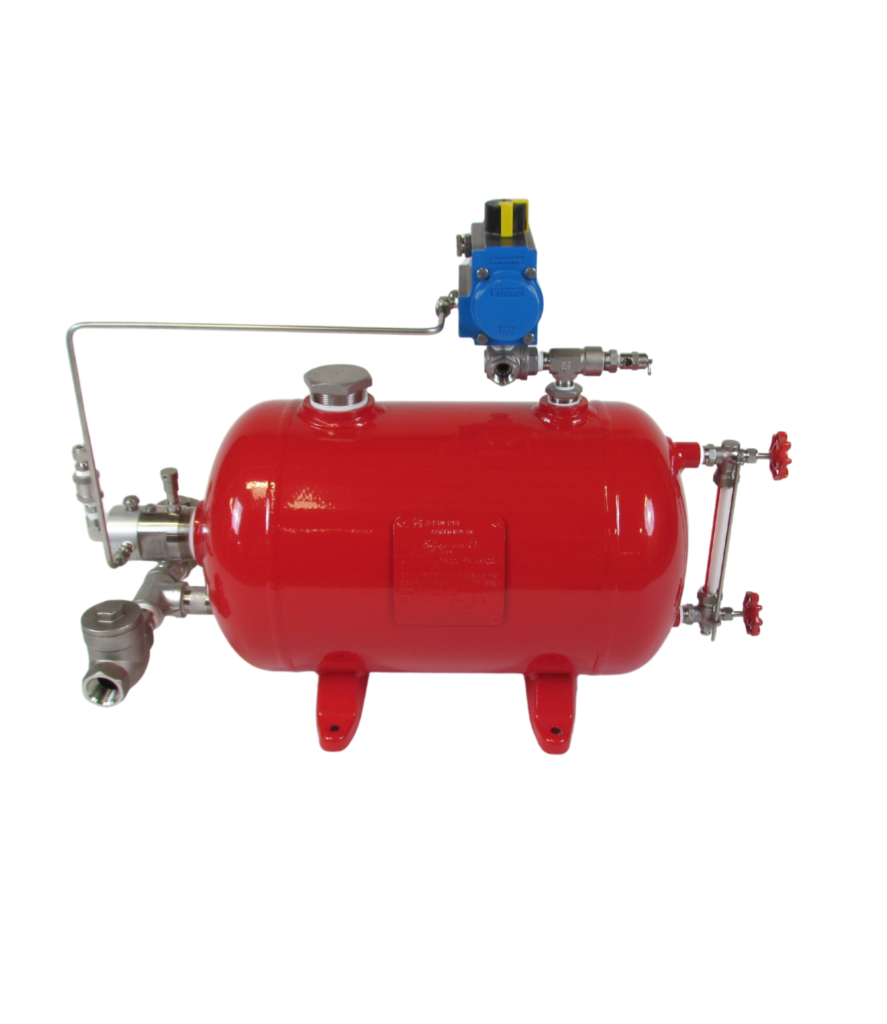
An A-Frame BTEX System is designed to capture and control vapor emissions from oil and gas tanks — particularly smaller environmental tanks like a 10 gallon environmental tank used for sampling, draining, or vapor containment.
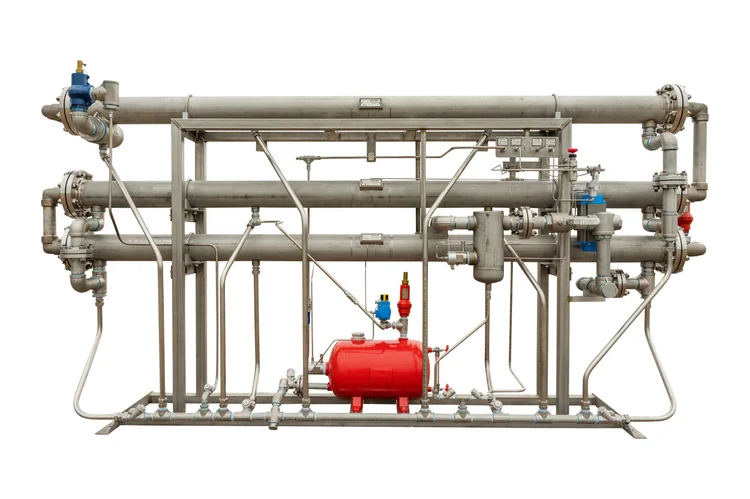
The “A-Frame” structure refers to the physical design that supports vapor control components in a compact, stable configuration. It’s practical. It fits into tight production areas without becoming a safety hazard or a logistical headache.
These systems typically integrate:
- Vapor recovery components
- Activated carbon or similar adsorption media
- Pressure control mechanisms
- Piping designed to capture vented BTEX vapors
Simple in theory. Very important in practice.
Why Small Tanks Still Create Big Compliance Issues
Here’s something operators sometimes underestimate — small tanks can still produce measurable emissions.
A 10 gallon environmental tank might seem minor compared to larger production tanks, but it can vent vapors regularly, especially during sampling or maintenance. Multiply that across multiple well pads and facilities. Now you’ve got a cumulative emissions issue.
Regulators don’t care that it’s “just a small tank.” They care about total emissions.
That’s where properly designed A-Frame BTEX Systems make a difference. They capture vapors at the source before they drift off-site or trigger inspection findings.
It’s preventative, not reactive. Big difference.
Emission Control Isn’t Just About Fines
Yes, non-compliance can mean penalties. And yes, those penalties can be painful. But it’s bigger than that.
Communities near production sites are paying attention. Investors are paying attention. ESG reporting isn’t a side note anymore — it’s part of long-term viability.
When companies install A-Frame BTEX Systems and properly manage vapor from a 10 gallon environmental tank, they’re doing more than ticking a regulatory box. They’re showing operational responsibility.
That matters. Even if it doesn’t feel dramatic.
How A-Frame Systems Improve Operational Safety
There’s another angle people don’t talk about enough — safety.
BTEX vapors are flammable. Accumulated vapors in confined areas increase ignition risk. Controlling emissions isn’t just about air quality; it’s about preventing hazardous vapor buildup.
A well-designed A-Frame BTEX System helps:
- Reduce vapor concentration around equipment
- Minimize exposure for workers
- Lower the risk of flash incidents
In field operations, even small risk reductions matter. No one wants a preventable incident because vapor control was treated as optional.
Practical Benefits of Pairing Systems with a 10 Gallon Environmental Tank
When a 10 gallon environmental tank is integrated into a properly designed A-Frame vapor control setup, you get a tighter system overall.
Instead of venting directly to atmosphere during sampling or draining, vapors are routed through control media. That can significantly reduce BTEX output.
It’s not complicated engineering. It’s smart routing.
Operators who’ve implemented this approach often see:
- Improved inspection outcomes
- Fewer reporting headaches
- Reduced odor complaints
- Better long-term compliance consistency
It’s the difference between hoping you pass inspection and knowing you will.
Why Design Matters More Than You Think
Not all emission control systems are equal. Some are overbuilt and expensive. Some are under-designed and barely effective.
A-Frame BTEX Systems hit a balance. Compact footprint. Field-ready durability. Straightforward installation.
That’s important because oil and gas sites aren’t laboratory environments. They’re dusty. They’re exposed to weather. Equipment gets bumped. Simplicity increases reliability.
And reliability is everything out there.
Regulatory Pressure Isn’t Going Away
State and federal agencies continue tightening emission standards. Monitoring is more advanced. Inspections are more data-driven.
Facilities that wait until enforcement becomes aggressive usually spend more in the long run. Retrofitting under pressure costs money. Planning ahead saves it.
Installing vapor control systems around environmental tanks now — especially smaller units like a 10 gallon environmental tank — positions operators ahead of compliance curves instead of behind them.
And being ahead feels a lot better.
Cost vs. Consequence
Let’s talk money for a second.
Yes, installing A-Frame BTEX Systems requires upfront investment. Equipment, installation, maintenance — it adds up.
But compare that to:
- Regulatory fines
- Production shutdowns
- Public complaints leading to audits
- Increased insurance scrutiny
Suddenly, the math looks different.
Emission control isn’t just an expense line. It’s risk management.
Field Implementation: What to Consider
If you’re evaluating vapor control for environmental tanks, a few practical questions help:
- How often does the tank vent?
- What is the BTEX concentration profile?
- Is carbon adsorption sufficient or is recovery preferred?
- How easy is media replacement in the field?
A strong A-Frame BTEX System is built with serviceability in mind. If maintenance is a nightmare, operators delay it. Delayed maintenance equals system failure.
Simple systems get maintained. Maintained systems work.
The Bigger Picture: Long-Term Sustainability
Oil and gas isn’t disappearing tomorrow. But expectations are changing. Cleaner operations aren’t a marketing pitch anymore — they’re operational requirements.
Capturing emissions from something as small as a 10 gallon environmental tank may not grab headlines. But collectively, these improvements reduce overall VOC output significantly.
And that’s how meaningful change actually happens. Incrementally. System by system. Tank by tank.
It’s not dramatic. It’s steady.
FAQs
What is the purpose of an A-Frame BTEX System?
An A-Frame BTEX System is designed to capture and control vapor emissions — specifically benzene, toluene, ethylbenzene, and xylene — from tanks and equipment in oil and gas operations. It prevents these volatile compounds from venting directly into the atmosphere.
Why does a 10 gallon environmental tank need emission control?
Even a 10 gallon environmental tank can release measurable BTEX vapors during sampling, draining, or maintenance. While small individually, cumulative emissions across multiple sites can create compliance risks and trigger regulatory attention.
Are A-Frame BTEX Systems required by regulation?
Specific requirements vary by state and federal regulations, but emission control systems are often mandated when VOC thresholds are exceeded. Installing these systems helps operators stay compliant and avoid penalties.
How often do A-Frame BTEX Systems require maintenance?
Maintenance frequency depends on vapor load and system design. Carbon media typically needs periodic replacement based on saturation levels. A properly sized and installed system is relatively low-maintenance, but routine inspection is essential.
