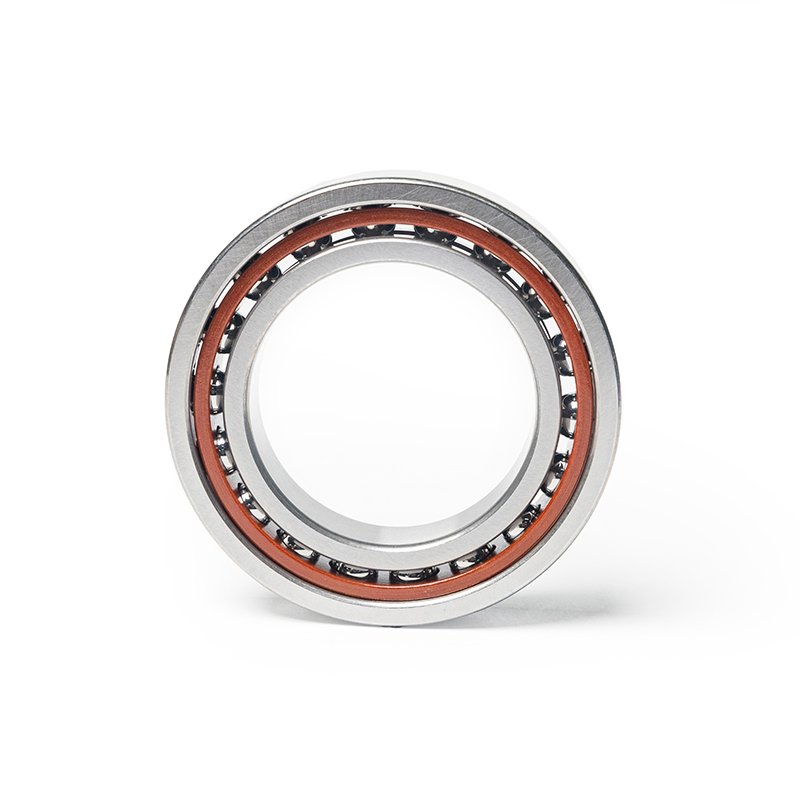

In the demanding world of agricultural logistics and heavy-duty machinery maintenance, the AH229175 is more than just a part number—it is a cornerstone of operational uptime. Primarily utilized in the drivetrain and processing assemblies of high-capacity harvesting equipment, this specialized bearing unit is engineered to withstand extreme radial loads and dusty environments. However, when an AH229175 fails during peak season, the resulting downtime doesn’t just stall a machine; it threatens the entire supply chain’s productivity.
For B2B fleet managers and industrial technicians, moving from reactive replacement to proactive problem-solving is the only way to ensure these robust machines keep moving.
The Core Problem: Why the AH229175 Fails Under Pressure
Despite its heavy-duty construction, the AH229175 operates in some of the most “aggressive” mechanical environments on earth. It is subjected to constant vibration, fluctuating speeds, and a barrage of organic debris.
1. Ingress of Abrasive Contaminants
The primary killer of the AH229175 is not the load it carries, but the environment it inhabits.
- The Problem: Fine dust, chaff, and moisture can bypass the outer seals if they are compromised.
- The Result: These particles mix with the internal grease to create an abrasive “lapping compound.” This leads to pitting on the raceways and destroys the high-precision finish of the rolling elements, causing the bearing to run hot and eventually seize.
2. Lubrication Starvation vs. Over-Greasing
Maintaining the delicate balance of lubricant in a flanged bearing unit like the AH229175 is a common struggle for maintenance teams.
- The Problem: Under-greasing leads to metal-on-metal contact, while over-greasing can blow out the seals or cause “churning,” where the lubricant itself generates excessive heat.
- The Result: In both scenarios, the tensile strength of the metal components is compromised by thermal stress, leading to premature fatigue.
Diagnostic Symptoms: How to Spot a Failure Before the Snap
For commercial operators, “listening” to the machine is a vital skill. Training operators to recognize these early warning signs of AH229175 distress can save thousands in secondary repair costs.
- Audible “Chirping” or Grinding: This is the most common indicator of a dry bearing or internal spalling. If the sound changes pitch with the RPM of the drive shaft, the bearing is likely in its final stages of life.
- Thermal Anomalies: Using a handheld infrared thermometer, technicians should check the temperature of the bearing housing. If the AH229175 is running significantly hotter than adjacent units, it is a sign of internal friction or a misaligned shaft.
- Excessive Vibration: A “loose” feel in the processing unit often points to excessive internal clearance in the bearing, usually caused by wear on the inner race.
The Solution: Precision Maintenance and Quality Procurement
Solving the problem of AH229175 failure requires a shift toward OE-standard installation practices and systemic maintenance.
1. Advanced Sealing Technology
When replacing an AH229175, ensure the new unit features high-performance triple-lip seals. These are designed specifically for the agricultural sector to keep contaminants out while retaining lubricant even during high-pressure washdowns. For B2B stakeholders, investing in premium sealing pays for itself by doubling the Mean Time Between Failures (MTBF).
2. Precision Alignment and Mounting
Many failures are “built-in” during installation. If the AH229175 is forced onto a scarred or undersized shaft, it creates an uneven load distribution.
- The Fix: Always inspect the shaft for “fretting corrosion” before mounting. Use a torque wrench to ensure the eccentric locking collar or set screws are tightened to the manufacturer’s exact specifications to prevent the inner ring from slipping.
3. Implementing a Grease Schedule
In 2026, the industry has moved away from “greasing everything on Monday” to a more scientific approach. Based on the operating hours of your fleet, utilize a high-quality lithium-complex grease that can handle the extreme pressure (EP) requirements of the AH229175.
The “Complete Assembly” Strategy
In a B2B repair environment, labor is often more expensive than the part itself. When an AH229175 fails, it is often more cost-effective to replace the entire unit—including the housing and the locking mechanism—rather than just the insert. This ensures that every component is factory-matched and reduces the risk of “comeback” repairs caused by a worn housing that has lost its dimensional tolerance.
Final Thoughts
The AH229175 is a rugged component, but it is not invincible. By addressing the root causes of contamination and improper lubrication, and by insisting on high-quality replacements, B2B operations can significantly reduce their “unplanned downtime” metrics.
In the high-stakes world of industrial machinery, the most profitable machines are the ones that never have to stop for a broken bearing.