

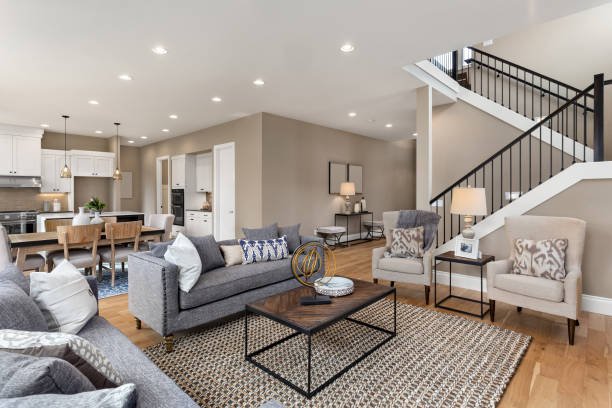
There’s a reason templates sell so well. They’re quick, cheap, and honestly, they look decent at first glance. You pick one, plug in your stuff, done. Or so it feels. But spend a little time actually living in that space—or using that design—and the cracks start showing. I’ve seen this happen in everything from websites to interiors, even in a 3 Story Loft Home in Las Vegas where someone tried to force a cookie-cutter layout into a space that clearly needed something more thoughtful. It just didn’t sit right. Corners felt awkward. Flow was off. And no template could fix that, no matter how polished it looked on paper.
One Size Fits None (Yeah, I Said It)
Templates are built for the “average” user. Problem is, nobody’s actually average. Not your habits, not your taste, not your space. You might think you can tweak a template enough to make it yours, but there’s always that underlying structure fighting you. You move one thing, three other things break. It’s frustrating. Custom design doesn’t have that problem because it starts with you, not some generic idea of you. It bends to fit your life, instead of the other way around. That difference sounds small, but it’s not. It changes everything.
Function First, Not Just Looks
Here’s where templates really fall short. They prioritize appearance over function. Clean lines, trendy colors, sure. But what about how you actually move through a space? Or how you use it daily? A custom design digs into that. It asks annoying questions, honestly. Like how you cook, where you drop your keys, what drives you crazy after a long day. And yeah, it can feel excessive at first. But that’s the stuff that makes a design work long-term. Not just for photos, but for real life. Templates don’t ask. They assume. That’s the problem.
Your Personality Can’t Be Downloaded
This one’s obvious, but people still ignore it. Templates flatten personality. They give you something safe, something already approved by the masses. But safe gets boring fast. A custom design pulls in your quirks. Your weird preferences. Maybe you like darker tones when everyone’s pushing bright and airy. Maybe you hate open layouts (you’re not alone, by the way). A good designer leans into that. They don’t try to “fix” your taste. They shape it into something that actually feels like yours. Templates just… don’t.
Long-Term Value Hits Different
Let’s talk money, because that’s usually the reason people go for templates in the first place. Cheaper upfront, no question. But long-term? It’s a different story. You end up adjusting, replacing, reworking things that never quite fit. It adds up. Time, energy, more money than you planned. Custom design costs more in the beginning, yeah. But it’s built to last. It works better from day one, and it stays working. You’re not constantly fixing little annoyances. That alone is worth it, if you ask me.
Flexibility Beats Rigidity Every Time
Templates are rigid by nature. They have to be. They’re made to scale, to work for thousands of people without changing much. But your needs change. Life shifts. Maybe your family grows, maybe your work setup changes, maybe you just get tired of the same layout. A custom design can evolve with you. It’s not locked into a fixed structure. It leaves room for change, even if you don’t see it right away. Templates? Not so much. You hit their limit pretty fast.
Details Make or Break the Experience
People underestimate this part. The little things. How light hits a room at different times. Where storage is placed. How textures feel, not just how they look. Templates don’t go that deep. They can’t. They’re built in broad strokes. Custom design lives in the details. It’s where the magic is, honestly. Not flashy, not obvious, but you notice it every day. It makes things smoother, easier. More comfortable. Hard to explain, but you feel it.
Working With Real Designers Changes the Game
This is where professional input matters more than people think. When you work with actual experts—like those offering Las Vegas Interior Design Services—you’re not just getting a design, you’re getting perspective. Experience. Someone who’s seen what works and what absolutely doesn’t. They catch issues before they become expensive mistakes. They push ideas you wouldn’t have considered, but end up loving. It’s not just about making things look good. It’s about making them make sense. Big difference.
Templates Follow Trends. Custom Design Sets Them (Sometimes Breaks Them)
Templates are always a step behind. They follow what’s already popular because that’s what sells. But trends fade. Fast. What looks fresh today feels dated tomorrow. Custom design has more freedom. It can pull from trends, sure, but it doesn’t depend on them. It builds something more grounded, more personal. And sometimes, it even pushes against trends. Which, honestly, is where the interesting stuff happens.
Conclusion: You Get What You Actually Need
At the end of the day, it comes down to this. Templates are convenient, but they’re built for speed, not depth. They get you something that works… kind of. Custom design takes longer. Costs more. Can be a bit messy in the process. But it gives you something real. Something that fits, functions, and feels right without constant compromise. And once you experience that difference, it’s hard to go back. Templates start to feel exactly like what they are—shortcuts that cut a little too much.
