

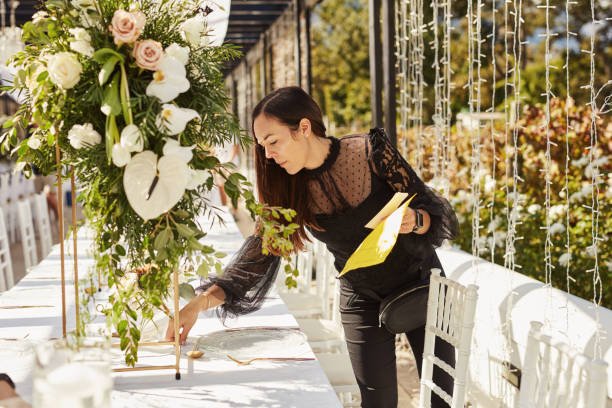
People keep saying small gatherings are easy. Less people, less stress… that’s the idea. But honestly, it’s kind of the opposite. When you’ve only got 15–20 people in a room, everything shows. Awkward silence? Everyone feels it. Bad layout? No escaping it. That’s usually where an Event Planner in Pittsburgh ends up making a bigger impact than people expect. Not in a loud way. More like… things just don’t fall apart. You don’t notice the effort, but you definitely notice when it’s missing.
There’s a Flow, Even If You Don’t See It
A good planner isn’t running around barking instructions. If they are, something’s already off. What they actually do is set up a kind of rhythm to the whole thing. People walk in, they know where to go. Something’s happening, but not in a forced way. Food shows up before anyone gets annoyed. Music sits in the background instead of taking over. It feels casual. But yeah, it’s not random. Without that invisible structure, small events tend to stall out. Conversations fade. People start checking their phones, pretending not to.
Tiny Problems Get Killed Early
Most hosts don’t think about the small stuff until it becomes a problem. Not enough chairs. Ice running low. Playlist suddenly goes dead (that one always happens). None of these things are huge, but stack them together and the vibe just drops. A planner usually spots this stuff way earlier. They’ve seen the patterns. So they fix things before anyone notices. Or at least before it becomes obvious. It’s not glamorous work. Half the time no one even realizes it happened.
They’re Better With Money Than You Think
There’s this idea that hiring a planner automatically means spending more. Sometimes, yeah. But a lot of the time, it balances out. They cut things you don’t really need. Or they swap in better options for the same price. They’ll tell you straight if something’s a waste—even if you were kind of excited about it. Which can sting a bit, not gonna lie. But small gatherings don’t benefit from “more.” They benefit from getting the right things right.
Vendors Behave Differently Around Them
This one’s subtle but real. When you’re just a host calling vendors, you’re one of many. When a planner’s involved, there’s more structure. Clear timelines, expectations, less back-and-forth confusion. Vendors tend to take it more seriously. Probably because they know they’ll be held to it. Plus, planners usually have people they trust already. So you’re not guessing your way through random bookings. That alone cuts a lot of stress.
They Think About the Feel, Not Just the Setup
You can have decent food, nice chairs, some music—and still have an event feel… off. Hard to explain, but it happens. Planners think beyond the checklist. They look at how the space actually works. Where people will stand. How they’ll move around. If conversations will feel cramped or natural. Lighting matters more than people think, too. It’s a bunch of little choices that add up. Without that, things can feel flat, even if technically everything’s “there.”
You’re Not Stuck Playing Host and Worker
This is probably the biggest one. Hosting sounds fun until you’re the one fixing everything. Someone spills something, vendor calls, food needs checking—you’re suddenly busy the whole time. Not really present. A planner takes that weight off. They deal with the moving parts. You get to actually sit down, talk to people, be part of it. Which… kind of the whole point, right?
Timing Can Make or Break It
Small gatherings don’t have much buffer. If things run late, everyone feels it. If they move too fast, it feels rushed. There’s a weird balance to it. When does food come out, when do people settle in, when does it shift gears. Most people guess their way through this. Planners don’t. They build a rough timeline—but they also adjust when things don’t go exactly to plan. Because they never do.
The Look Comes Together (Without Trying Too Hard)
This is where it starts to stand out a bit more. Not in an over-the-top way, but in how everything feels connected. Nothing looks random or last-minute. And yeah, this is where Party Decorations in Pittsburgh actually matter more than people think. It’s not about stuffing the space with decor. It’s about choosing the right pieces and knowing when to stop. Colors, spacing, small details—they line up. Even if guests don’t consciously notice, they feel it.
People Leave Saying “That Was Nice” (But Mean More Than That)
No one’s analyzing your event on the way home. They’re not breaking down logistics. They just remember how it felt. Easy. Comfortable. Maybe a bit better than they expected. That’s usually the result of a lot of small decisions done right. Take those away, and the difference shows. Not dramatically, but enough to change the whole tone.
Conclusion: It’s Not About Doing More, Just Doing It Right
You don’t need a huge budget or a massive guest list to make something work. Small gatherings can be great—or kind of forgettable. It depends on execution more than anything. That’s where planners come in. They smooth out the rough edges. Fix things before they become issues. Make the whole thing feel natural, even though it isn’t. And yeah, once you’ve had that kind of experience, it’s hard to go back to just winging it.
