

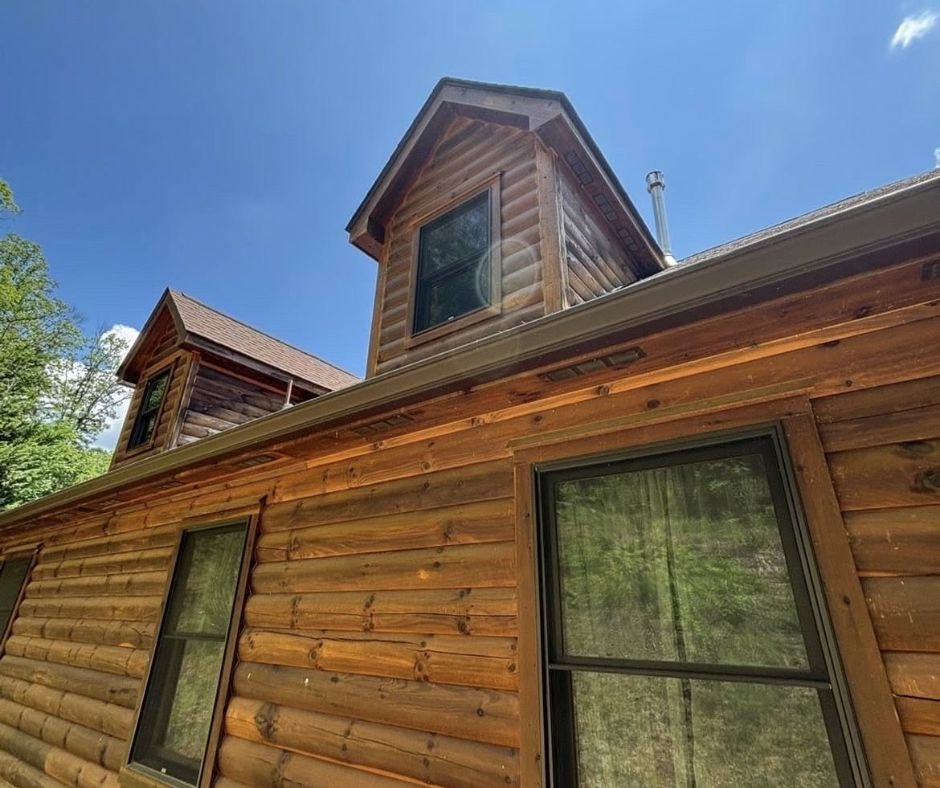
Owning a log home comes with a kind of charm that’s hard to beat. The smell of fresh wood, the rustic lines, the cozy corners—there’s nothing like it. But here’s the thing: those logs aren’t immortal. Time, moisture, and plain neglect can start turning your beautiful cabin into a patchwork of rot before you even notice. And let me be straight with you—if you ignore it, it only gets worse. That’s why understanding how to handle repairing rotted logs log home is not just handy, it’s essential if you don’t want to bleed money later on.
You can’t just slap some stain on it and call it a day. Rotted logs compromise structural integrity, insulation, and even your home’s resale value. And the kicker? Fixing it doesn’t have to cost a fortune. With the right approach, a little elbow grease, and some know-how, you can save thousands while actually doing the job right.
Understanding the Scope of Rot
First, let’s be real. Not all rot looks the same. There’s surface rot, which is mostly cosmetic, then there’s deep rot, which can eat through the core of the log. The latter is the one that’ll really come back to haunt you if you ignore it. You might notice soft spots, discoloration, or that unmistakable musty smell. Sometimes it’s subtle. Sometimes it’s obvious. Either way, you need to act.
One mistake people make is assuming that all rot can be sanded out. Nope. Surface sanding might remove a little fuzz, but if the wood crumbles when you press it, you’re in deep. That’s when repairing rotted logs log home becomes more than just cosmetic—it’s structural.
Tools and Materials That Won’t Break the Bank
You don’t need to rent a bobcat or hire a crew of specialists to start the job. Basic tools like chisels, a small hand saw, wire brushes, and a quality wood preservative go a long way. Epoxy fillers or wood consolidants are also lifesavers for stabilizing damaged sections without replacing entire logs.
But here’s the subtle part: knowing when to use epoxy versus replacing the log entirely. If the rot hasn’t eaten too deep, epoxy mixed with a hardener can restore strength and fill gaps. It won’t look perfect, but for functionality and durability, it works. And honestly, that’s often all you need unless the log is structurally compromised.
The Importance of Log Cabin Caulking
Once you’ve dealt with rot, you’ve got to stop water from coming back in. That’s where log cabin caulking comes in. Old homes settle, logs shrink and expand, and cracks form. Even a tiny gap is an open invitation for moisture, bugs, and more rot.
Caulking isn’t glamorous, and it’s not sexy. But if you want your repairs to last, you gotta do it. Silicone-based sealants or specialized log home chinking products are ideal. And yeah, you’ll have to check the whole exterior, door frames, window frames—everywhere moisture can sneak in. It’s tedious, but doing it right saves money down the line.
Preventative Measures After Repair
Here’s the part most folks skip: prevention. If you think repairing rotted logs log home is a one-and-done, think again. Log homes demand maintenance, period.
Start with a yearly inspection. Check the roofline, gutters, downspouts—anything that channels water toward the logs. Keep vegetation away from the cabin. Trim back bushes, avoid plants that trap moisture next to the foundation. A little attention now prevents a lot of pain later.
Also, consider staining or sealing logs. Not just for looks, but for protection. There are penetrating stains that get inside the wood fibers, creating a barrier against water and sun damage. Again, it’s not glamorous, but it’s cheaper than replacing an entire wall of logs.
Balancing DIY and Professional Help
Let me be blunt: you can do a lot yourself, but some things you shouldn’t mess with. If the rot affects structural logs supporting the roof or floors, get a professional. You don’t want to skimp and end up with a collapse waiting to happen.
For smaller jobs—surface rot, minor repairs, caulking, epoxy work—you can absolutely save money by doing it yourself. But for serious rot? Even a couple hundred bucks for a pro inspection is worth it. The alternative is risking thousands in damages or worse.
Budget-Friendly Tips
Fixing rot doesn’t need to bankrupt you. Here’s a few ways to keep costs reasonable:
- Prioritize damage – Not every rotten spot is urgent. Focus on structural areas first.
- Buy materials smart – You don’t need top-tier, premium brands for every step. Quality matters, but mid-range is fine for fillers and caulking.
- Bundle maintenance tasks – Do staining, caulking, and minor repairs at the same time. Saves labor and time.
- Learn as you go – YouTube, forums, and log home communities are full of real-life tips.
The key is to approach repairs realistically. Don’t overspend on fancy tools for small jobs, but don’t undercut where it counts either.
Signs You’re Doing It Right
You’ll know your efforts in log cabin caulking are working when logs feel solid under your hands, gaps are sealed, and water doesn’t pool or seep inside. After a rainy season, you shouldn’t see new mold or black spots forming. If you do, go back and check for missed cracks or gaps—sometimes it’s just one small spot causing trouble.
And remember, progress is often slow. You might fix one wall this year, the other next. That’s okay. The goal isn’t perfection; it’s stability and longevity without overpaying.
Conclusion
Aging log homes show signs of rot—that’s inevitable. But letting it slide is the fast track to disaster and big bills. The good news is, tackling repairing rotted logs log home doesn’t have to be insanely expensive. With a bit of know-how, patience, and a willingness to do some work yourself, you can get the damage under control.
Focus on proper repair techniques, use caulking to seal gaps, prevent future moisture issues, and know when to call in a pro. Stay on top of it yearly, and your cabin can stay cozy, rustic, and strong for decades more. Remember, this isn’t about perfection—it’s about keeping your home safe and your wallet intact.
