

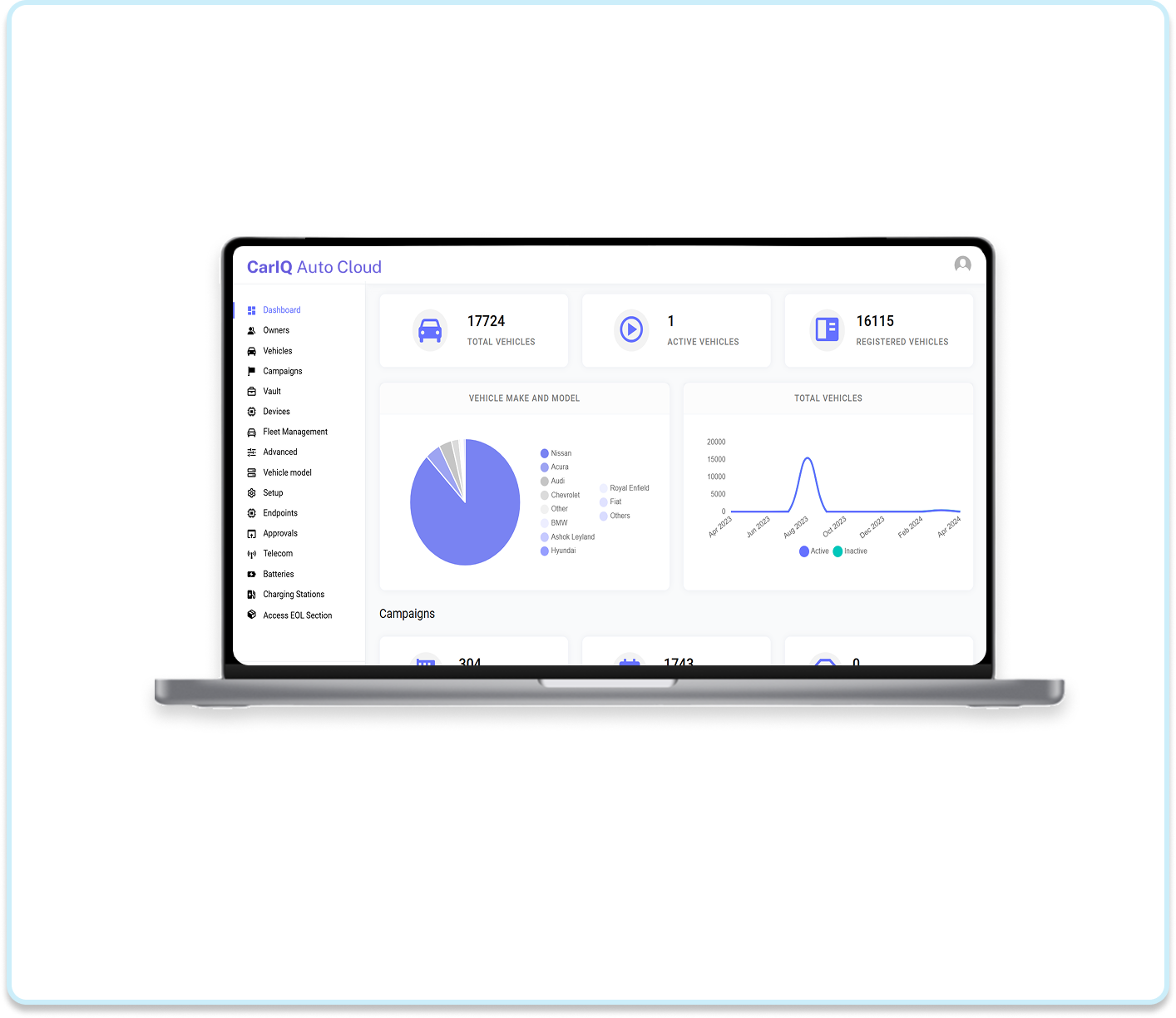
A few years ago, the idea of checking your car’s status from a smartphone sounded like something out of a futuristic movie. Today, it is quickly becoming a normal part of vehicle ownership in India. As digital technology enters almost every aspect of daily life, drivers are now expecting their vehicles to be just as connected as their phones or smart homes.
This shift is pushing the adoption of technologies that allow vehicles to communicate real-time information to their owners. One of the most exciting developments in this space is the connected car platform for remote monitoring, which allows drivers to stay informed about their vehicle even when they are miles away from it.
For both individual drivers and businesses managing fleets, this kind of connectivity is transforming how vehicles are maintained, secured, and operated.
A New Relationship Between Drivers and Their Vehicles
Traditionally, car owners only interacted with their vehicles when they were physically inside them. If a vehicle developed a problem or required maintenance, the driver often discovered it only after a warning light appeared on the dashboard.
Now, connected mobility technology is changing that experience. By integrating sensors, cloud computing, and mobile apps, modern vehicle systems allow drivers to access valuable information about their car from anywhere.
A connected car platform for remote monitoring acts as the digital bridge between the vehicle and the user. It gathers data related to vehicle movement, health, and usage, then delivers it through mobile dashboards or web applications.
This means a car owner sitting in an office can check the vehicle’s status, location, or recent trips without needing to physically access the car.
The Technology That Makes It Possible
Connected vehicle systems typically rely on a compact hardware component that collects data from the car’s onboard systems. This is where a vehicle plug in smart device becomes essential. Designed to connect directly to the car’s diagnostic port, the device gathers information about engine performance, driving behaviour, and other operational parameters.
Once connected, the device sends this information securely to cloud platforms where it can be analysed and presented in an easy-to-understand format. The result is a powerful digital dashboard that provides drivers with meaningful insights about their vehicle.
These connected systems are designed to support a wide range of practical benefits, including:
- Real-time location updates that improve vehicle security
- Access to trip history and driving patterns
- Alerts related to unusual vehicle movement
- Maintenance reminders based on vehicle performance data
- Better visibility for businesses managing multiple vehicles
These capabilities are particularly valuable in India, where vehicles often operate in unpredictable traffic conditions and long-distance travel is common.
Why Indian Drivers Are Embracing Remote Monitoring
The rapid growth of connected vehicle solutions in India is closely linked to changing driver expectations. Today’s car owners want convenience, safety, and transparency. Being able to monitor a vehicle remotely provides all three.
For families, this technology offers reassurance. Parents can keep track of vehicles being driven by younger family members, while owners can quickly check if their car has been moved without permission.
For businesses, the advantages are even greater. A vehicle plug in smart device allows fleet managers to monitor vehicles in different cities, analyse travel routes, and ensure drivers are following operational guidelines.
With India’s logistics and delivery sectors expanding rapidly, real-time vehicle insights can significantly improve efficiency and accountability.
The Role of Connected Mobility Platforms
While the hardware device installed in the vehicle is important, the real value of connected technology comes from the digital ecosystem that supports it. Cloud platforms process the incoming data and convert it into actionable insights that drivers can easily understand.
Solutions like those offered by Varroc Connect are designed to bring these capabilities together in one unified system. By integrating telematics hardware, secure cloud infrastructure, and mobile interfaces, such platforms enable drivers and businesses to stay connected with their vehicles at all times.
This kind of integration is what makes the connected car platform for remote monitoring truly powerful—it turns raw vehicle data into practical information that can improve safety, efficiency, and decision-making.
The Future of Connected Vehicles in India
India’s automotive industry is moving steadily toward a more connected and intelligent mobility ecosystem. As technology continues to advance, vehicles will increasingly rely on digital systems to enhance safety, performance, and convenience.
In the near future, connected vehicle solutions may provide predictive maintenance alerts, AI-driven driving insights, and deeper integration with smart city infrastructure. These innovations will make transportation not only more efficient but also significantly safer.
For Indian drivers and businesses alike, the ability to stay connected with vehicles through tools like a vehicle plug in smart device is quickly becoming an essential part of modern mobility.
FAQs
1. What is a connected car platform for remote monitoring?
It is a digital system that allows vehicle owners to track location, monitor vehicle health, and access operational data through mobile or cloud-based applications.
2. How does a vehicle plug-in smart device work?
It connects to the car’s diagnostic port, collects vehicle data, and sends it to connected platforms where drivers can view insights about their vehicle.
3. Are connected vehicle solutions useful for personal cars?
Yes. Individual car owners can use these systems to monitor vehicle security, track trips, receive maintenance alerts, and stay informed about their car’s condition.

1 Comment
Pingback: Why Choosing the Right App Development Company in India Matters in 2026 - atechvibe