

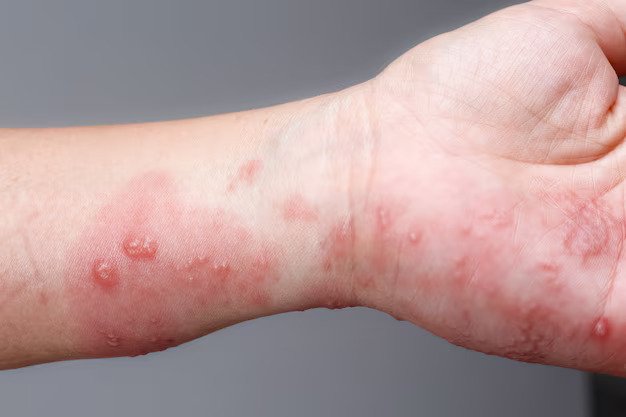
Dyshidrotic eczema is a type of skin condition that primarily affects the hands and feet, causing small, itchy blisters, redness, and discomfort. While the exact cause is not fully understood, several factors can trigger or worsen this condition. For a more detailed understanding, you can start by reading about causes of dyshidrotic eczema.
This guide will explore the underlying causes, risk factors, diagnosis, management strategies, and preventive measures for dyshidrotic eczema. Additionally, we’ll highlight opportunities to participate in clinical research trials for innovative treatment options.
What Is Dyshidrotic Eczema?
Also known as pompholyx, dyshidrotic eczema is characterized by small, fluid-filled blisters on the palms, sides of the fingers, and soles of the feet. These blisters are often accompanied by intense itching, burning sensations, and sometimes pain.
Unlike other forms of eczema, dyshidrotic eczema tends to flare up periodically, often in response to environmental, lifestyle, or physiological triggers. These recurrent flare-ups can interfere with daily activities, work, and overall quality of life.
Key Features Include:
- Small, intensely itchy blisters on hands and feet
- Red, inflamed, or cracked skin surrounding blisters
- Periodic flare-ups that may last weeks
- Potential for secondary infections if blisters are scratched
Common Causes of Dyshidrotic Eczema
Although the exact cause is not fully established, several factors are associated with dyshidrotic eczema:
1. Allergic Reactions
Allergic responses to substances such as metals (nickel or cobalt), detergents, soaps, or fragrances can trigger eczema flare-ups. Contact with these allergens may provoke the immune system to react, causing inflammation, blister formation, and discomfort.
2. Stress
Stress is a significant contributor to eczema flare-ups, including dyshidrotic eczema. Emotional or physical stress can:
- Alter immune system function
- Increase susceptibility to flare-ups
- Worsen itching and inflammation
Stress management techniques, such as mindfulness, yoga, or counseling, can help reduce flare-up frequency and improve symptom control.
3. Moisture and Sweating
Excessive moisture on the hands and feet can aggravate dyshidrotic eczema. Sweat accumulation or prolonged contact with water can:
- Irritate the skin and increase inflammation
- Encourage blister formation
- Delay healing and prolong flare-ups
Practical steps, such as wearing breathable gloves or moisture-wicking socks, can help manage this trigger effectively.
4. Fungal or Bacterial Infections
Secondary skin infections can worsen dyshidrotic eczema. Scratching or breaking blisters may allow bacteria or fungi to enter, causing:
- Redness
- Pain or tenderness
- Pus-filled blisters or crusting
Maintaining good hygiene and early intervention are essential to prevent infections and complications.
5. Atopic Conditions
Individuals with a history of atopic dermatitis, asthma, or allergic rhinitis are more prone to dyshidrotic eczema. Genetic predisposition may make the skin more sensitive to environmental triggers, increasing the likelihood of flare-ups.
6. Seasonal and Environmental Factors
Environmental changes often affect eczema severity:
- Hot, humid weather: Increases sweating and irritation
- Cold, dry conditions: Dry skin can crack, leading to blisters and discomfort
Maintaining proper hydration, using moisturizers, and protecting skin from harsh weather can reduce flare-up risks.
7. Medications and Chemicals
Certain medications and chemicals can trigger dyshidrotic eczema in susceptible individuals:
- Diuretics
- Gold salts for rheumatoid arthritis
- Harsh cleaning chemicals or solvents
Consulting a healthcare provider before starting new medications or handling chemicals is important if you have a history of eczema.
Also Read: https://atechvibe.com/why-early-detection-still-matters-in-aggressive-cancers/
Diagnosing Dyshidrotic Eczema
Dermatologists typically diagnose dyshidrotic eczema through a combination of:
- Patient history: Assessing flare-up patterns, triggers, and symptom severity
- Physical examination: Observing blister formation, redness, and inflammation
- Allergy testing: Patch tests to identify potential allergens
- Exclusion of other conditions: Ruling out fungal infections, psoriasis, or hand-foot-mouth disease
Early diagnosis ensures proper management and helps prevent worsening of symptoms.
Management and Treatment
While there is no permanent cure for dyshidrotic eczema, a combination of medical treatments, lifestyle adjustments, and preventive measures can improve outcomes.
1. Topical Treatments
- Corticosteroid creams or ointments: Reduce inflammation and itching
- Moisturizers: Maintain the skin barrier and prevent dryness
- Barrier creams: Protect against irritants and allergens
2. Oral Medications
- Antihistamines: Help relieve severe itching
- Oral corticosteroids: Used in severe or widespread flare-ups
Always consult a dermatologist before starting oral medications, as they require careful monitoring.
3. Lifestyle Adjustments
- Minimize exposure to allergens and irritants
- Wear breathable gloves or socks to reduce moisture
- Avoid scratching to prevent secondary infections
- Keep skin hydrated with gentle moisturizers
These lifestyle adjustments complement medical therapy and help reduce flare-up frequency.
Lifestyle and Home Care Tips to Minimize Flare-Ups
Alongside medical treatments, adopting practical lifestyle and home care strategies can significantly reduce the frequency and severity of dyshidrotic eczema flare-ups. These adjustments support skin healing, prevent irritation, and improve overall comfort:
- Moisturize Regularly: Apply fragrance-free, thick moisturizers multiple times a day, especially after washing hands or bathing, to maintain the skin barrier.
- Avoid Hot Water: Use lukewarm water for washing hands and feet, as hot water can strip natural oils and worsen dryness and itching.
- Wear Breathable Fabrics: Choose cotton socks and gloves instead of synthetic or rubber materials that trap moisture and heat.
- Minimize Friction: Avoid activities that create repeated rubbing on hands or feet, which can aggravate blisters and inflammation.
- Stress Management: Incorporate stress-reducing techniques such as deep breathing, yoga, or meditation, as stress can trigger flare-ups.
- Cold Compresses: Apply a cool, damp cloth to affected areas for short periods to soothe itching and reduce swelling.
- Protect from Environmental Extremes: During cold or dry weather, wear gloves and use moisturizers; in hot weather, keep hands and feet dry to prevent excessive sweating.
These home care measures, combined with medical therapy, create a comprehensive approach to managing dyshidrotic eczema and improving quality of life.
Preventive Strategies
Preventing dyshidrotic eczema flare-ups involves identifying triggers and maintaining healthy skin care:
- Avoid allergens and irritants: Such as nickel, detergents, or harsh chemicals
- Manage stress: Use relaxation techniques like mindfulness, yoga, or counseling
- Keep hands and feet dry: Especially in hot or humid conditions
- Use gentle skin care products: Free from fragrances or harsh chemicals
- Protect skin from extreme temperatures: Cold or heat can exacerbate symptoms
Combining preventive strategies with medical treatment can significantly reduce the severity and frequency of flare-ups.
Role of Clinical Research
Advances in atopic dermatitis and dyshidrotic eczema treatments rely on ongoing clinical research. Participating in clinical trials provides:
- Access to innovative therapies not yet widely available
- Expert monitoring and care during the study
- Contribution to scientific research, helping improve future treatment options
If you are interested, you can participate in atopic dermatitis research trials to explore new treatment possibilities.
Final Thoughts
Dyshidrotic eczema is a challenging condition that can cause significant discomfort and affect daily activities. Understanding its common causes, allergens, stress, moisture, infections, atopic conditions, environmental factors, and medications, enables patients to take proactive steps to manage symptoms effectively.
Medical treatments, lifestyle modifications, preventive measures, and clinical research participation all contribute to better outcomes. For those seeking innovative therapies and wishing to contribute to medical research, you can participate in atopic dermatitis research trials to access advanced treatment options and support the development of new therapies:
