

We have all looked at a bumpy yard and thought… how did it even get this uneven? Maybe water collects in one corner, or walking across it feels like a mini obstacle course. And if you have been searching for rock and gravel for sale near me in California, chances are you are wondering if these materials can actually help fix the problem.
Short answer… yes, they can. But like most things in landscaping, it is not just about dumping some gravel and calling it a day. Let us walk through it together.
So… Can Rock and Gravel Really Level a Yard?
We can absolutely use rock and gravel for leveling. In fact, many people prefer them over soil in certain situations. Why? Because they drain better, stay in place longer, and do not turn into a muddy mess after rain.
But here is the thing… not all yards need the same approach.
If your yard has small dips or uneven patches, gravel can smooth things out nicely. If the slope is more serious, we might need to combine materials or build layers.
When Rock and Gravel Make the Most Sense
Let us be real… gravel is not always the answer. But it shines in a few situations:
Low spots that collect water
We have all seen those puddles that just refuse to go away. Gravel helps water move through instead of sitting there.
Walkways and side yards
These areas get a lot of foot traffic. Gravel creates a firm surface without turning into mud.
Around patios or driveways
It blends well and keeps things level without too much maintenance.
If your yard is mostly uneven soil with no drainage issues, plain dirt might still be better. But for anything involving water or stability… gravel is a solid choice.
Picking the Right Type of Gravel (Yes, It Matters)
Here is where many of us mess up the first time… we just grab whatever looks nice.
Not all gravel works the same way.
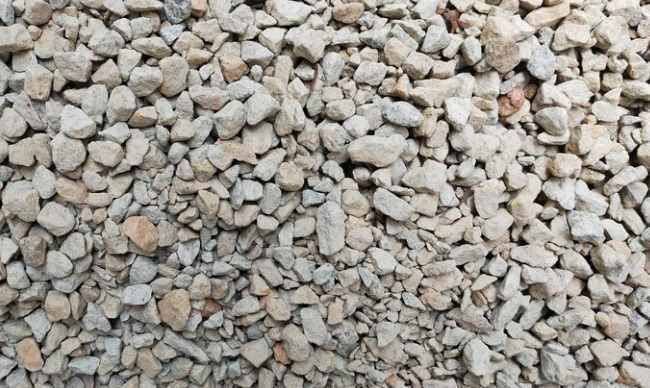
- Crushed stone packs tightly and is great for leveling
- Pea gravel looks nice but shifts around more
- Larger rocks are better for base layers, not the top
A simple trick? Use a mix. Start with a stronger base layer, then add a finer layer on top to smooth it out. It feels better underfoot too.
How We Actually Level a Yard with Gravel
Let us keep this simple. No complicated steps.
Step 1… Clear the area
Remove grass, weeds, and loose soil. It does not have to be perfect, just clean enough to start.
Step 2… Level the ground a bit
We are not relying only on gravel. Try to flatten major bumps first.
Step 3… Add a base layer
Spread crushed stone or larger gravel. This gives structure.
Step 4… Add a top layer
Use finer gravel to even things out and make it look neat.
Step 5… Compact it
This part matters. Walk over it, use a roller, or even a tamper. It helps everything stay in place.
And yeah… it might take a little patience. But the result? Totally worth it.
A Few Things We Wish We Knew Earlier
Let us save you some trial and error…
- Gravel can shift if not compacted well
- Edging helps keep everything in place
- Weed barrier fabric underneath is a game changer
- Do not overfill… it is easier to add more later
And honestly… take your time. Rushing this part usually means redoing it later.
Is It Better Than Using Soil?
Depends on what we want.
Soil is softer and better for planting. Gravel is stronger and better for structure. Sometimes the best solution is a mix of both.
If your goal is a clean, low-maintenance yard that drains well… gravel is hard to beat.
Final Thoughts
So… can gravel & cushed rock be used for yard leveling? Yes, and in many cases, they work better than traditional methods.
It is not about doing it perfectly. It is about doing it right enough that your yard feels better, looks cleaner, and does not annoy you every time you step outside.
And once it is done… you will probably wonder why you did not fix it sooner.
FAQs
1. Can we level a yard using only gravel?
Yes, we can. But it works best for minor leveling. For bigger slopes, combining gravel with soil or other materials gives better results.
2. What type of gravel is best for leveling?
Crushed stone is usually the best option because it packs tightly and stays in place better than loose gravel.
3. Do we need a base layer before adding gravel?
It is a good idea. A base layer adds stability and helps prevent shifting over time.
4. Will gravel stop water from pooling in the yard?
It helps a lot. Gravel improves drainage, so water can pass through instead of sitting on the surface.
5. How do we keep gravel from spreading everywhere?
Using edging and compacting the gravel properly makes a big difference. A weed barrier underneath also helps keep things in place.
