

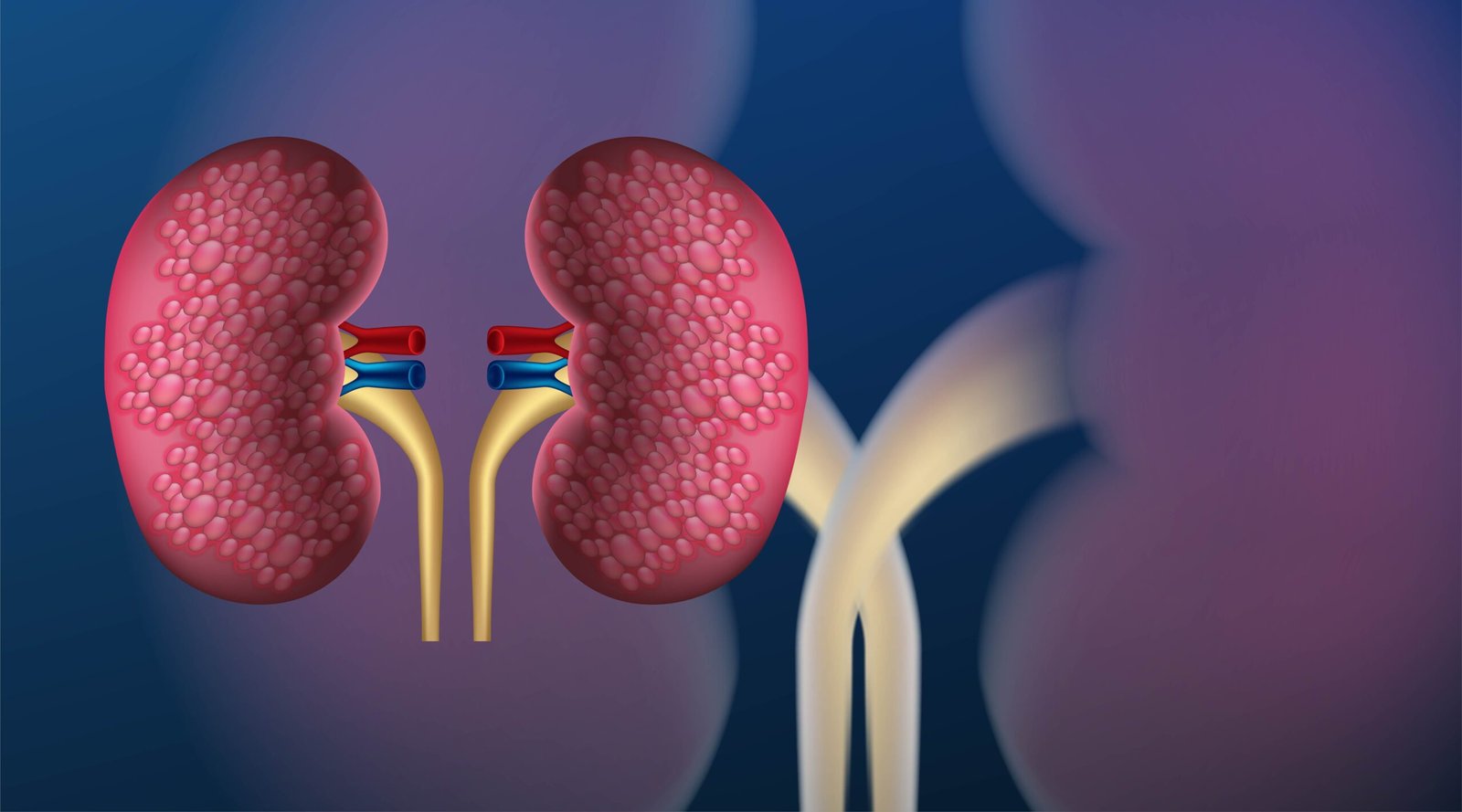
Kidneys work quietly in the background, yet they play a huge role in keeping your body balanced. They filter waste, control fluids, and help manage blood pressure. When something goes wrong, the effects can be serious and sometimes sudden. That is where understanding acute kidney failure becomes important, especially when you compare it with long-term kidney problems.
Many people hear terms like acute kidney failure and chronic kidney disease and assume they are the same. They are not. While both affect how your kidneys function, the way they develop, how they are treated, and what they mean for your future health can be very different. Let’s walk through these differences in a clear and practical way.
What acute kidney failure really means
Acute kidney failure, also called acute kidney injury, happens quickly. In some cases, it can develop within hours or days. One day your kidneys are working fine, and the next, they are struggling to filter waste properly.
This condition often occurs due to a sudden event. Severe dehydration, a major infection, certain medications, or reduced blood flow to the kidneys can all trigger it. You might notice symptoms like reduced urine, swelling in the legs, fatigue, or confusion.
The key point here is speed. Acute kidney failure comes on fast, and that makes early care very important. If treated in time, kidney function can often recover fully or at least improve significantly.
Understanding chronic kidney disease in simple terms
Chronic kidney disease, often called CKD, is very different. It develops slowly over months or even years. Many people do not notice symptoms in the early stages because the body adjusts over time.
Common causes include diabetes, high blood pressure, and long-term kidney infections. As the condition progresses, you may begin to feel tired, notice swelling, or experience changes in urination.
Unlike acute kidney failure, chronic kidney disease is usually permanent. The goal is not to cure it completely but to slow down its progression and manage symptoms.
The biggest difference lies in how they start
If we had to explain it in the simplest way, acute kidney failure is sudden, while chronic kidney disease is gradual.
Acute kidney failure often has a clear trigger. It might follow a serious illness, surgery, or injury. In contrast, chronic kidney disease builds over time, often due to ongoing health issues like uncontrolled blood sugar or long-standing hypertension.
This difference in onset changes how doctors approach diagnosis and treatment. Acute cases often require urgent care, while chronic cases need long-term management.
Also Read: https://atechvibe.com/burn-slim-metabolism-booster-supplement-reviews-usa/
Reversibility makes a major distinction
One of the most important differences is whether the condition can be reversed.
Acute kidney failure can often be treated successfully. If the underlying cause is addressed quickly, kidney function may return to normal. For example, restoring fluids or stopping a harmful medication can make a big difference.
Chronic kidney disease, however, does not usually reverse. Once kidney damage occurs, it tends to stay. Treatment focuses on slowing further damage and maintaining quality of life.
Symptoms may overlap, but timing matters
Both conditions can show similar signs. You may experience fatigue, swelling, nausea, or changes in urine output. This overlap can sometimes make it confusing.
The difference is in how quickly these symptoms appear. In acute kidney failure, symptoms show up suddenly and may worsen rapidly. In chronic kidney disease, they develop slowly and may go unnoticed until the condition reaches a later stage.
This is why regular health checkups matter, especially if you have risk factors like diabetes or high blood pressure.
Causes that set them apart
Acute kidney failure is often linked to short-term issues. These include severe infections, dehydration, blood loss, or exposure to certain drugs. Even a temporary blockage in the urinary tract can lead to it.
Chronic kidney disease, on the other hand, is usually tied to long-term conditions. Diabetes is one of the leading causes. High blood pressure is another major factor. Over time, these conditions damage the small blood vessels in the kidneys.
Lifestyle also plays a role. Poor diet, lack of exercise, and smoking can increase the risk of chronic kidney disease.
Diagnosis and testing differences
Doctors use similar tests for both conditions, but the timing and pattern of results help distinguish them.
Blood tests that measure creatinine levels and kidney function are common. Urine tests can also provide clues. Imaging studies, like ultrasound, may help identify structural problems.
In acute kidney failure, test results change quickly over a short period. In chronic kidney disease, the changes are more gradual and consistent over time.
Sometimes, a patient’s medical history provides the biggest clue. A sudden illness points toward acute kidney failure, while a long history of diabetes or hypertension suggests chronic kidney disease.
Treatment approaches are not the same
Treatment for acute kidney failure focuses on the cause. If dehydration is the issue, fluids are given. If a medication is responsible, it is stopped. In severe cases, temporary dialysis may be needed until the kidneys recover.
Chronic kidney disease requires a different approach. Management includes controlling blood sugar, lowering blood pressure, and following a kidney-friendly diet. Medications help protect kidney function and reduce complications.
In advanced stages, dialysis or a kidney transplant may become necessary.
The emotional side often gets overlooked
Kidney conditions do not just affect the body. They can also impact how you feel mentally and emotionally.
Acute kidney failure can be frightening because it happens so suddenly. Patients and families often feel unprepared. The uncertainty can be stressful, especially during hospital stays.
Chronic kidney disease brings a different kind of challenge. Living with a long-term condition can feel overwhelming at times. It requires lifestyle changes, regular checkups, and ongoing care.
This is where support matters. Whether it comes from family, healthcare providers, or support groups, having someone to lean on makes a difference.
Can one lead to the other
Yes, in some cases, acute kidney failure can increase the risk of developing chronic kidney disease later. If the kidneys do not fully recover, lasting damage may occur.
This is why follow-up care is so important. Even after recovery from acute kidney failure, doctors often monitor kidney function to ensure there are no long-term effects.
Protecting your kidney health
You do not have to wait for symptoms to start taking care of your kidneys. Simple steps can go a long way.
Stay hydrated, but do not overdo it. Manage conditions like diabetes and high blood pressure carefully. Avoid unnecessary use of medications that can harm the kidneys, especially without medical advice.
Regular health checkups can catch problems early. Even a simple blood test can provide valuable insights into how well your kidneys are working.
Final thoughts
Understanding the difference between acute kidney failure and chronic kidney disease can help you take the right steps at the right time. One develops suddenly and may be reversible, while the other builds slowly and requires long-term care.
Awareness plays a key role. The more you know, the better prepared you are to recognize symptoms and seek help early.
At the same time, medical research continues to move forward. New treatments and approaches are being studied to improve outcomes for patients with kidney conditions. If you are interested in contributing to progress in this field, you can consider options to participate in kidney disease and hypertension research studies through Lucida Clinical Trials. Taking part not only gives you access to new care options but also helps shape the future of treatment for others facing similar challenges.
