

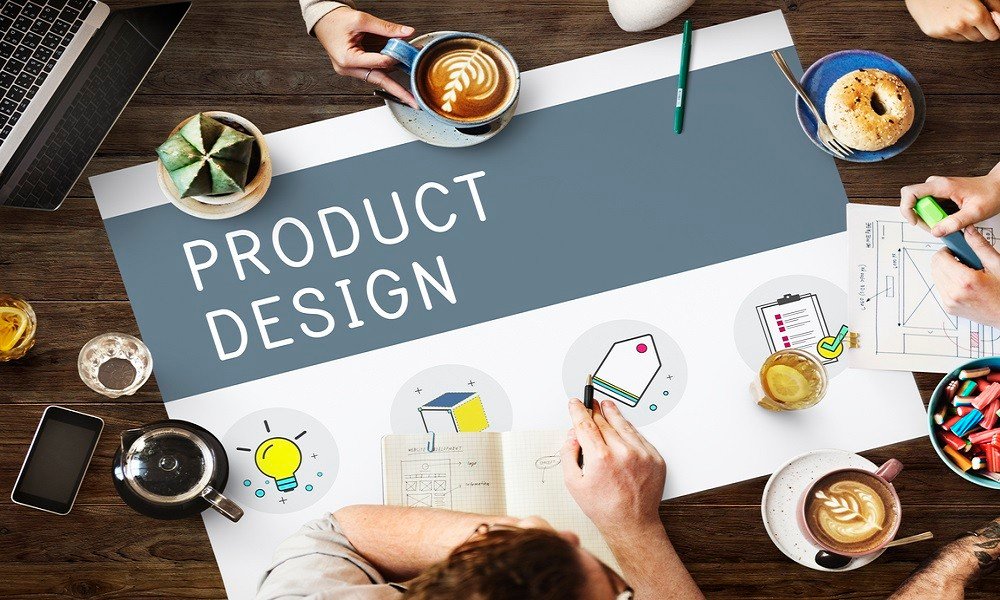
Product design and development services kick things off by turning fuzzy ideas into tangible stuff you can actually poke and prod. They don’t just slap together a quick mockup and call it a day. No, these teams dig in deep right from the start. They map out what the product needs to do, who it’s for, and how it’ll stand up in the real world. And prototyping and testing? That’s where the magic – and the headaches – really happen.
You see, prototyping isn’t some fancy extra step these services throw in to look busy. It’s the backbone of the whole process. Without it, you’re basically guessing whether your product will flop or fly. I’ve seen too many folks skip this part and regret it later. Product design and development services treat it like their secret weapon. They build early versions fast so everyone can spot problems before they blow up the budget.
Why Prototyping Comes First in the Process
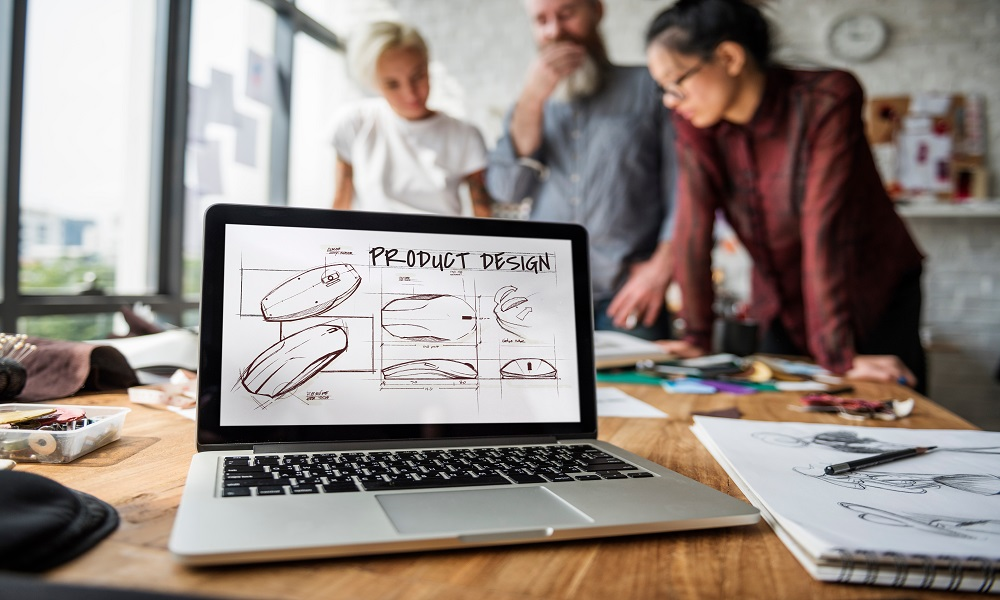
Right after the initial concept chats, these services jump into low-fidelity prototypes. Think rough sketches on paper or basic digital wireframes. Nothing pretty, just enough to show the core idea. It keeps things cheap and quick. Clients get to say yeah or nah without anyone wasting weeks on details that might get scrapped anyway.
Then they level up. High-fidelity prototypes come next, the ones that look and feel closer to the real deal. These might include clickable apps or 3D models you can rotate on a screen. The goal stays simple – make sure the product solves the problem it’s supposed to. Shortcuts here lead to expensive fixes down the line. Trust me, I’ve watched teams learn that the hard way.
Materials matter too. Some services use foam or cardboard for physical mocks. Others go straight to 3D printing if the timeline allows. It all depends on the product type. A smart gadget needs electronics mocked up early. A piece of furniture might focus on ergonomics first. The services stay flexible, adjusting based on what the client actually needs.
The Different Ways They Build Prototypes
Product design and development services don’t stick to one method. They mix it up depending on the project. Rapid prototyping tools like 3D printers let them crank out versions in hours instead of weeks. It’s a game changer for speed. One day you’re discussing features, the next you’re holding a plastic model that clicks together just right.
Digital prototyping gets heavy use too, especially for apps or software-heavy products. Tools like Figma or Adobe XD let teams simulate user flows without writing a single line of code yet. It’s efficient. You can test navigation and buttons long before developers touch the real build. Saves a ton of rework later.
For hardware stuff, they sometimes bring in CNC machines or even basic assembly lines to mimic production. Not full scale, obviously, but enough to check tolerances and fit. It feels raw and imperfect at this stage, and that’s the point. You want the ugly truths to show up now, not after you’ve ordered ten thousand units.
Collaboration is key here. These services don’t hide in a back room. They loop clients in for review sessions, sometimes daily. Feedback gets baked in fast. It keeps everyone aligned and prevents those nasty surprises where the client says “this isn’t what I pictured” after months of work.
Testing – Where the Real Feedback Hits
Once a prototype exists, testing kicks in hard. Product design and development services don’t just hand it off and hope. They run structured sessions with real users. Usability testing is huge. People sit down, try the product, and say out loud what confuses them. It’s blunt and honest. You hear things like “why does this button do that?” that you’d never catch on your own.
Technical testing comes next. Does it hold up under stress? Will it break if dropped? Services use rigs and simulations to push limits. For electronics, they check heat, battery life, and signal strength. Safety standards get verified early too. Nobody wants a recall after launch. It’s expensive and kills trust fast.
Market testing adds another layer. They might show prototypes to focus groups or run small surveys. The question isn’t just “does it work?” It’s “would you buy this?” Pricing feedback sneaks in here as well. Sometimes the best-looking prototype fails because the cost feels off to buyers.
They track everything. Notes, videos, heat maps from digital tests. Data piles up quick. The services stay organized so nothing gets lost in the shuffle. It’s not glamorous work, but it separates decent products from great ones.
How Iteration Turns Feedback into Better Products
Here’s where things get interesting. Testing rarely ends with a perfect score on the first try. Product design and development services expect revisions. They build iteration loops right into their workflow. One round of testing leads to tweaks, then another prototype, then more testing. It can feel like two steps forward, one back sometimes.
But that back step saves money later. Changing a design after full production starts costs a fortune. Early iterations keep changes cheap. A button moved two inches might seem tiny until you see how it boosts user satisfaction scores.
Teams stay patient through this. They document every change so clients understand the why. No one likes surprises. Some services even run A/B tests between two versions side by side. Users pick favorites, and data decides the winner. It removes guesswork.
The process isn’t endless though. They set clear milestones and deadlines. Otherwise projects drag forever. Good services know when to call a prototype “good enough” and move to final engineering. It’s a balance between perfection and getting to market.
Tools and Tech That Power the Whole Thing
Modern product design and development services lean on solid tech stacks. CAD software like SolidWorks handles complex 3D modeling. Prototyping platforms such as InVision or Proto.io speed up digital versions. For physical stuff, affordable 3D printers from brands like Prusa make small-batch testing realistic.
Virtual reality is popping up more too. Some services let clients walk through a product in VR before anything gets built. It feels futuristic but cuts down on physical waste. Cloud collaboration tools keep everyone synced, even when teams spread across cities or time zones.
Testing tools have evolved as well. Eye-tracking software shows exactly where users look first. Analytics platforms log every click in digital prototypes. It’s data-driven now, not just gut feel. Still, experienced designers know when to trust their instincts over the numbers.
Budgets influence choices. Smaller projects might skip fancy VR for basic 3D prints. Larger ones invest heavily because the payoff is huge. The services guide clients on what makes sense without pushing unnecessary upsells.
Challenges That Pop Up and How They Get Handled
No process is smooth all the time. Scope creep hits hard during prototyping. Clients see a model and suddenly want extra features. Good services push back gently but firm. They remind everyone about timelines and costs. It keeps things realistic.
User feedback can contradict itself too. One person loves a feature, another hates it. The teams sort through patterns instead of chasing every comment. They look for what serves the majority without ignoring edge cases.
Supply chain hiccups affect physical prototypes. Material shortages delay prints. Services build buffers into schedules and have backup suppliers ready. It’s not perfect, but it beats missing deadlines.
Cultural differences matter when products go global. Testing in one country might miss issues in another. Forward-thinking services run multi-region tests or at least account for them early.
The biggest challenge? Balancing speed with quality. Everyone wants it yesterday and flawless. The pros explain trade-offs clearly so clients make smart calls.
Wrapping Up the Full Cycle
By the end, all this prototyping and testing leads to a product ready for prime time. The services deliver final specs, manufacturing guidelines, and confidence that it’ll perform. It’s satisfying to watch an idea survive the gauntlet and come out stronger.
Clients walk away smarter too. They understand their market better and have data to back decisions. The whole experience builds trust for future projects.
In the end, product design and development services make prototyping and testing feel less like a chore and more like smart business. They handle the messy parts so you don’t have to. Whether you’re a startup or an established brand, this approach saves time, money, and a lot of frustration.
So next time you’re staring at a new idea, remember how these services turn it real. They prototype early, test ruthlessly, and iterate until it clicks. It’s straightforward work done right.
Conclusion
Look, if you’ve followed the whole process from sketch to solid prototype, you’re in a strong spot for success. The lessons from all that testing pay off big when it’s time to scale. And if your end game involves something like an Amazon Product Launch, this foundation makes the difference between blending in and standing out on those crowded shelves. You’ve got data, refined features, and real user proof – exactly what sells. Don’t shortcut it. The services that nail prototyping and testing are the ones that help your product actually win.
