

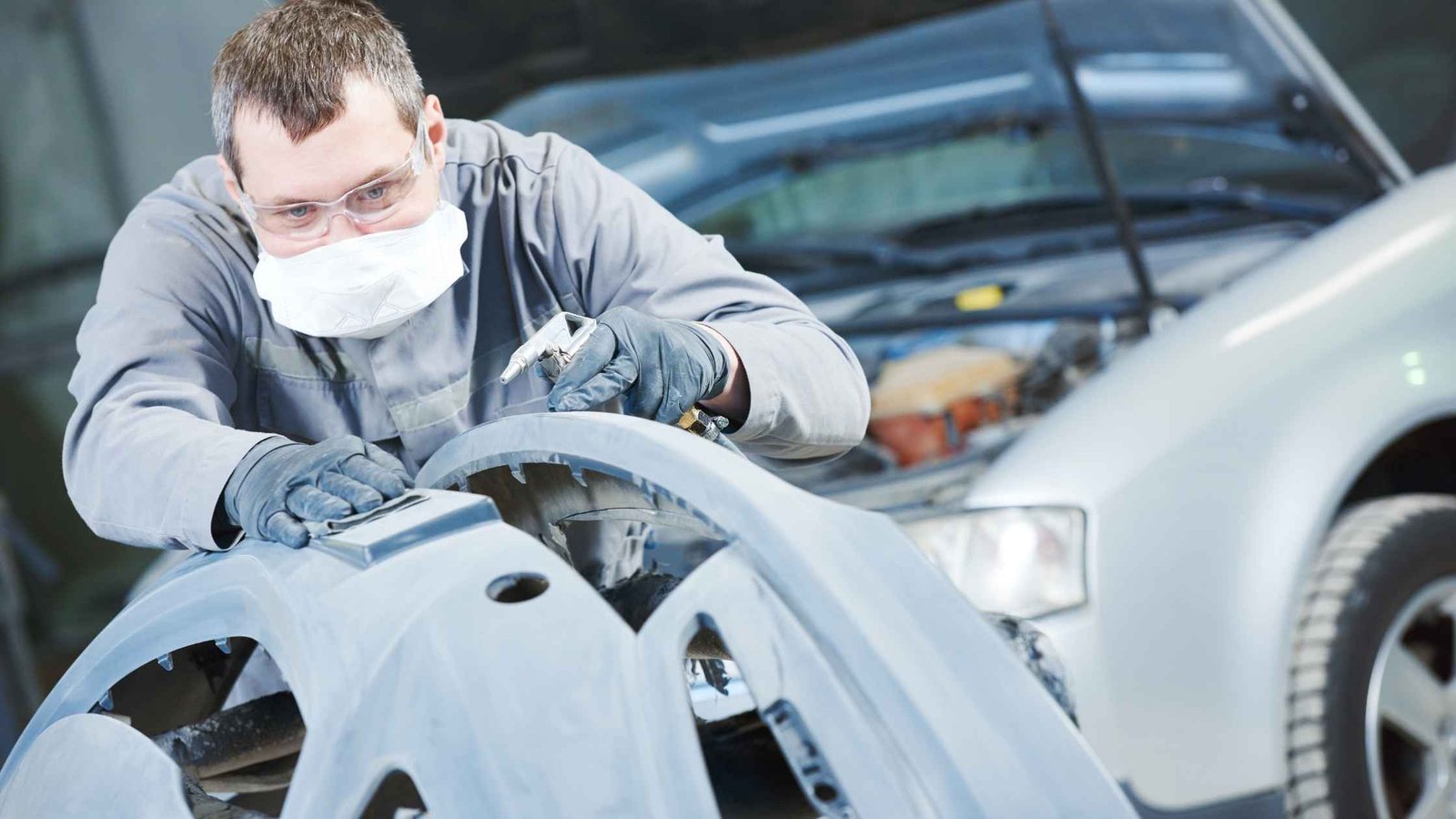
Rear collision warning systems play a crucial role in preventing accidents during reversing or low-visibility situations. Accurate sensor operation is vital, as even small deviations can compromise safety. Rear Cross-Traffic Alert Calibration is a critical step for maintaining precision after repairs, bumper replacement, or sensor service. Regular maintenance, inspection, and awareness of environmental impacts help sustain reliable system performance. Drivers gain confidence when systems respond correctly, avoiding false alarms or missed detections, which can make the difference in preventing collisions in everyday driving scenarios.
How Rear Collision Warning Systems Function
These systems use a combination of radar, ultrasonic sensors, and cameras to detect obstacles behind the vehicle. Sensors send information to a central control module, which evaluates distance and movement to trigger alerts. Cameras improve performance during low light or glare conditions, while radar maintains accuracy in adverse weather. System effectiveness depends on all components functioning within manufacturer specifications. Misaligned sensors, damaged wiring, or blocked lenses can reduce detection precision. Consistent maintenance ensures timely alerts and safe reversing, minimizing the risk of accidents.
Factors That Affect Warning Accuracy
Several conditions can reduce system reliability. Dirt, mud, or snow on sensors can block signals, while minor impacts may cause misalignment. Temperature fluctuations and glare from sunlight can interfere with camera sensors. Even without warning lights, sensors may gradually drift, affecting readings. Heavy rain or reflective surfaces can temporarily limit detection accuracy. Awareness of these conditions allows drivers to take preventive measures, keeping the system responsive. Regular visual inspections and cleaning prevent sensor obstruction, maintaining proper operation in various weather and driving scenarios.
Essential Maintenance Steps for Reliable Performance
- Clean rear sensors and camera surfaces regularly
- Inspect bumper areas for hidden impact damage
- Check mounting brackets for looseness or misalignment
- Avoid aftermarket accessories that block sensor range
- Confirm wiring connections remain corrosion-free
- Follow manufacturer inspection intervals
Proper maintenance keeps detection accurate and reduces false alerts. Sensors and cameras must remain unobstructed and securely mounted. Wiring integrity prevents intermittent faults that could affect system performance. Following these steps ensures the system performs reliably under all conditions.
Calibration After Repairs
Calibration becomes necessary after bumper removal, collision repairs, or sensor replacement. Sensor angles are critical for precise detection, and even minor misalignment can cause false alarms or missed warnings. Modern systems rely on exact calibration to differentiate between moving and stationary objects. Professional calibration confirms sensor orientation and restores accuracy. Skipping this step can compromise safety. Regular calibration after any repair ensures alerts function as intended and the system maintains consistent performance, helping prevent rear-end collisions in both low-speed and complex maneuvering situations.
Software Updates and Diagnostics
Vehicle software updates improve detection algorithms and reduce false warnings. Manufacturers release updates to maintain compatibility across multiple safety systems. Diagnostic checks identify sensor malfunctions, calibration errors, or communication issues. Performing updates keeps the system responsive to current driving conditions. Regular diagnostics detect hidden faults that visual inspections cannot reveal. Combined with proper calibration and maintenance, software upkeep ensures the system operates at its designed precision. Timely updates preserve detection reliability, providing drivers with accurate alerts during reversing or low-visibility driving scenarios.
Environmental Conditions
Heavy rain, mud, snow, glare, and reflective surfaces can affect sensor readings temporarily. Sensors may produce delayed or false alerts under extreme weather conditions. Awareness of these limitations helps drivers adapt their actions during reversing or parking. Slower speeds and careful observation improve safety when conditions challenge detection systems. Sensors regain accuracy once surfaces are clean and weather conditions stabilize. Recognizing environmental impacts prevents over-reliance on electronic warnings, making routine inspection and cleaning essential components of long-term system reliability.
Professional Inspection vs. DIY Maintenance
Cleaning sensors, checking brackets, and inspecting wiring can be performed by vehicle owners. Calibration, diagnostics, and fault verification require specialized tools and professional expertise. Technicians can test sensor alignment, confirm communication with control modules, and verify software functionality. Combining owner maintenance with professional inspection preserves long-term system reliability. Skipping professional evaluation may leave subtle misalignments undetected. Routine professional checks complement regular cleaning, ensuring the system functions as intended and continues to provide accurate alerts during reversing and other low-visibility maneuvers.
Long-Term Habits That Preserve Accuracy
Safe driving habits reduce the risk of sensor misalignment. Avoiding rear impacts and minor collisions preserves sensor integrity. Immediate repairs after damage maintain proper calibration. Periodic inspections identify early signs of wear, corrosion, or misalignment. Keeping sensors clean and clear supports consistent detection. Consistent attention to these practices extends the system’s effective lifespan, reducing the likelihood of false or missed warnings. Drivers who maintain these habits benefit from reliable alerts, preventing rear-end accidents and sustaining overall vehicle safety.
Conclusion
Rear collision warning systems remain effective only through consistent maintenance, calibration, and professional inspection. Regular cleaning, visual checks, and attention to environmental impacts preserve sensor accuracy. Professional evaluation restores proper alignment and verifies software performance. Combining careful driving habits with timely servicing ensures the system operates reliably under various conditions. Drivers gain confidence from accurate alerts, reducing accident risk and improving safety during reversing or low-visibility maneuvers. Sustained attention keeps the system dependable throughout its service life.
FAQs
How often should rear sensors be cleaned?
Cleaning is recommended at least once a month or after exposure to mud, snow, or road salt.
Does calibration matter after minor bumper repairs?
Yes. Even small adjustments can misalign sensors, affecting alert accuracy.
Can software updates improve system performance?
Updates refine detection algorithms, reduce false alerts, and maintain compatibility with other safety systems.
Can drivers rely entirely on rear collision warnings?
No. The system assists but does not replace attention and careful driving.
What tasks are suitable for DIY maintenance?
Cleaning sensors, checking brackets, and inspecting wiring can be performed by owners, while calibration requires professional tools and expertise.
