

Healthcare is slowly moving beyond hospitals. Not completely, of course. Clinics and hospitals will always have a role. But more care is starting to happen at home, and that shift is expected to continue.
Home-based healthcare is not a new idea, but it is becoming more practical now. Technology has a lot to do with that. Devices are smaller, easier to use, and more connected than before. So instead of going to the system, the system comes closer to the patient.
That change might seem small at first. It is not.
From Hospital Visits to Home Monitoring
Traditionally, many tests required a visit to a medical facility. A cardiovascular test, for example, would typically be done in a controlled environment with specialized equipment.
That still happens, and it still matters. But there is a growing shift toward conducting parts of that monitoring outside clinical settings.
Devices used at home can now track heart activity over longer periods. Not just a quick test, but something extended. This can provide a more complete picture.
You could say it is like checking something once versus observing it over time. The second approach tends to reveal more.
The Role of Remote Patient Monitoring
Remote patient monitoring is expected to become a key part of home-based healthcare. It allows data to be collected while patients go about their normal routines.
This is important.
When people are monitored in their natural environment, the data often reflects real-life conditions more accurately. Not always perfect, but closer to reality than a short clinical test.
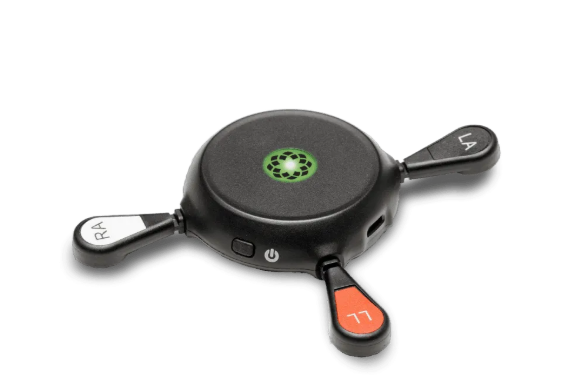
Devices like the epatch biotel heart monitor are examples of how monitoring is moving outside hospitals. They allow patients to be observed over time without being confined to a medical setting.
That alone can make a difference in how conditions are understood.
Comfort and Convenience Matter
One of the main reasons home-based healthcare is gaining attention is comfort. People generally prefer being at home rather than in a hospital.
That preference is not just about convenience. It also affects behavior.
For example, someone recovering from a heart-related issue might feel more relaxed at home. That can lead to more natural activity patterns, which in turn produces more useful data.
A cardiovascular test conducted in a clinical setting captures a moment under specific conditions. Monitoring at home captures a range of moments under everyday conditions.
Both have value, but they serve different purposes.
A More Continuous View of Health
Another shift is the move toward longer observation periods. Instead of isolated tests, there is more emphasis on tracking over time.
This helps in identifying patterns.
For instance, a patient using an epatch biotel heart monitor might generate data over several days. That data can reveal trends that would not appear in a single test.
It is similar to watching a series instead of just one episode. The story becomes clearer over time.
This approach can support better understanding of chronic conditions and recovery processes.
Integration With Digital Health Systems
Home-based healthcare does not work in isolation. It relies on systems that collect, organize, and present data in a usable way.
Data from devices can be shared with healthcare providers through digital platforms. This allows for ongoing review rather than waiting for scheduled visits.
Companies like Biotricity are part of this broader shift, where devices and platforms are expected to work together to support remote monitoring.
The goal is not just to collect data, but to make it useful.
Changing the Patient Experience
This shift also changes how patients experience care.
Instead of feeling like healthcare only happens during appointments, there is a sense of continuity. Not constant attention, but a more connected process.
For example, a patient might use a device at home while their doctor reviews the data periodically. This reduces the need for frequent visits while still maintaining oversight.
It can also reduce stress. Hospitals can feel overwhelming. Home environments are more familiar.
That familiarity can make a difference in how people engage with their care.
Challenges That Still Need Attention
Despite the benefits, there are still challenges.
- Data privacy remains a concern
- Not all devices integrate easily with healthcare systems
- Accuracy can vary depending on the device
- Cost may limit access for some individuals
There is also the question of reliability. Home-based systems need to be dependable, especially when they are used for ongoing monitoring.
These challenges are important and will likely influence how quickly adoption grows.
A Gradual but Clear Direction
It is unlikely that home-based healthcare will replace hospitals entirely. Instead, it will complement existing systems.
Some tests will still require clinical settings. Others can be done at home. Over time, the balance may shift depending on the situation.
The transition will likely be gradual. There will be a mix of traditional and newer approaches for some time.
Conclusion
The future of home-based healthcare and remote patient monitoring is expected to focus on extending care beyond traditional settings. Tools used for a cardiovascular test and devices like the epatch biotel heart monitor are part of this evolving approach.
The shift is not about replacing hospitals. It is about adding flexibility and continuity to care.
With more data collected in real-life conditions, better integration with digital systems, and a focus on patient comfort, home-based healthcare is likely to become a more common part of the overall healthcare experience.
It may take time, but the direction is becoming clearer.
