

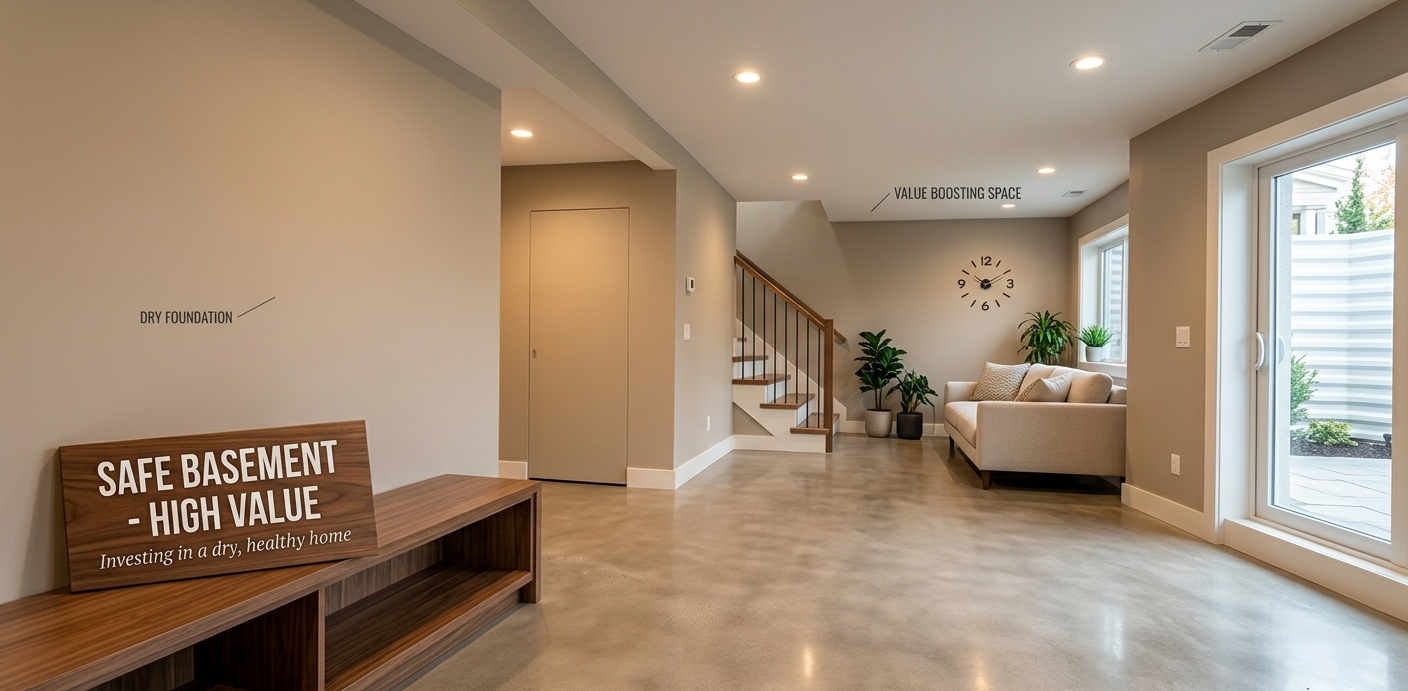
When homeowners think about maintaining property value, they often focus on visible upgrades like modern kitchens, fresh paint, or landscaping. However, one of the most critical—and frequently overlooked—factors lies beneath the surface: the condition of the basement. A wet basement might seem like a minor inconvenience at first, but over time, it can significantly impact a home’s structural integrity, safety, and ultimately, its long-term market value.
In today’s competitive real estate market, buyers are increasingly informed and cautious. Issues like water damage, mold growth, and foundation instability are red flags that can deter potential buyers or drastically lower a property’s resale price. This article explores how a wet basement affects your home’s value, why it’s essential to address the issue promptly, and how homeowners can protect their investment.
Understanding the Causes of a Wet Basement
Before diving into the long-term effects, it’s important to understand what causes a basement to become wet in the first place. Common causes include:
- Poor drainage systems around the home
- Cracks in the foundation walls or floor
- Hydrostatic pressure from groundwater
- Faulty or clogged gutters and downspouts
- Improper grading around the property
- Leaking pipes or plumbing issues
These problems can range from minor to severe, but even small amounts of moisture can escalate into larger concerns if not addressed quickly.
Structural Damage and Foundation Weakening
One of the most serious consequences of a wet basement is structural damage. Water intrusion can weaken the foundation over time, leading to cracks, shifting, and even sinking in extreme cases.
When water seeps into the foundation, it can cause materials like concrete and mortar to deteriorate. This compromises the overall stability of the home. As the structure weakens, homeowners may notice uneven floors, sticking doors, or visible cracks in walls.
From a property valuation perspective, structural issues are among the most costly to repair. Potential buyers often request professional inspections, and any sign of foundation damage can result in lower offers or even deal cancellations.
Mold Growth and Health Concerns
Moist environments are the perfect breeding ground for mold and mildew. A damp basement can quickly become a hotspot for mold growth, which not only damages materials but also poses serious health risks.
Exposure to mold can cause:
- Respiratory issues
- Allergic reactions
- Skin irritation
- Aggravation of asthma symptoms
For families with children, elderly members, or individuals with compromised immune systems, this becomes an even bigger concern.
From a real estate standpoint, mold is a major deterrent. Buyers often view it as a sign of neglect and may worry about hidden problems elsewhere in the home. Mold remediation can be expensive, and its presence can significantly reduce a home’s market appeal.
Reduced Usable Space
A basement is often considered valuable living or storage space. However, when it becomes damp or prone to flooding, its usability is greatly diminished.
Instead of serving as:
- A recreational area
- A home office
- A guest room
- Storage space
…it becomes a liability.
Homes with dry, finished basements tend to command higher prices because they offer additional functional square footage. In contrast, a wet basement limits the home’s potential and can make it less attractive to buyers looking for versatile living spaces.
Increased Maintenance and Repair Costs
A wet basement is rarely a one-time issue. It often leads to recurring maintenance and repair expenses. Homeowners may find themselves repeatedly dealing with:
- Water cleanup
- Dehumidification
- Mold removal
- Repairs to damaged flooring and walls
Over time, these costs add up. Prospective buyers take these ongoing expenses into account when evaluating a property. Even if the problem seems manageable, the perception of continuous upkeep can lower the home’s value.
Negative Impact on Home Inspections
Home inspections play a crucial role in real estate transactions. Inspectors are trained to identify moisture issues, water damage, and potential risks associated with a wet basement.
If an inspection report highlights:
- Active leaks
- Mold presence
- Foundation cracks
- Poor drainage systems
…it can significantly impact the buyer’s decision.
In many cases, buyers may request repairs, negotiate a lower price, or walk away entirely. A wet basement can therefore become a major obstacle in closing a sale.
Lower Resale Value
All the factors mentioned above—structural damage, mold, reduced usability, and ongoing maintenance—combine to lower a home’s resale value.
Real estate professionals often estimate that water damage can reduce a property’s value by 10% to 25%, depending on severity. In competitive markets, even minor issues can make a significant difference.
Buyers are willing to pay a premium for homes that are move-in ready and free from major concerns. A wet basement signals risk, and that risk translates into lower offers.
Damage to Personal Belongings
Beyond structural concerns, a wet basement can also lead to damage of stored items. Many homeowners use their basements for storage, keeping items such as:
- Furniture
- Electronics
- Important documents
- Seasonal decorations
Water exposure can ruin these belongings, leading to financial loss and emotional distress.
While this may not directly impact property value, it contributes to the overall negative perception of a home with moisture issues.
Energy Efficiency Issues
Moisture in the basement can affect a home’s energy efficiency. Damp air is harder to heat and cool, which can lead to higher energy bills.
Additionally, water intrusion can damage insulation, reducing its effectiveness. This forces HVAC systems to work harder, increasing energy consumption.
Energy efficiency is a growing concern for buyers, and homes with higher utility costs may be less appealing in the market.
Pest Infestations
Wet environments attract pests such as termites, cockroaches, and rodents. These pests thrive in damp conditions and can cause further damage to the home.
Termites, in particular, are known for damaging wooden structures, which can lead to costly repairs.
A history of pest infestations can be another red flag for buyers, further reducing a property’s value.
Insurance Complications
Homes with a history of water damage may face challenges when it comes to insurance. Premiums may increase, or certain types of coverage may be limited.
In some cases, insurance companies may require proof of repairs or preventative measures before offering coverage.
This added complexity can deter potential buyers, especially those looking for a hassle-free purchase.
The Importance of Early Intervention
Addressing a wet basement early can prevent many of the issues discussed above. Proactive measures include:
- Installing proper drainage systems
- Sealing foundation cracks
- Maintaining gutters and downspouts
- Using sump pumps and dehumidifiers
- Improving landscaping to direct water away from the home
Investing in these solutions not only protects the home but also preserves its value over time.
Professional Waterproofing Solutions
While DIY fixes may provide temporary relief, professional waterproofing solutions offer long-term protection. Experts can assess the root cause of the problem and implement effective strategies tailored to the home’s specific needs.
Services may include:
- Interior and exterior waterproofing
- Foundation repair
- Drainage system installation
- Mold remediation
For homeowners seeking reliable solutions, resources like basement waterproofing experts can provide valuable guidance and services to ensure lasting results.
Enhancing Property Value Through Basement Improvements
Once moisture issues are resolved, homeowners can take steps to enhance their basement’s value. A dry, well-maintained basement can become a major selling point.
Popular upgrades include:
- Finishing the basement for additional living space
- Installing proper lighting and flooring
- Creating functional areas such as home gyms or offices
These improvements not only increase usability but also boost overall property value.
Buyer Perception and Marketability
First impressions matter in real estate. A home with a dry, clean basement creates a sense of confidence among buyers.
On the other hand, signs of moisture—such as musty odors, stains, or visible damage—can raise concerns and lead to hesitation.
Working with trusted resources like professional wet basement solutions can help homeowners address these issues effectively and improve their property’s marketability.
Long-Term Financial Implications
Ignoring a wet basement can lead to escalating costs over time. What starts as a minor leak can evolve into major structural repairs, mold remediation, and even legal issues if the problem is not disclosed during a sale.
By investing in proper maintenance and repairs, homeowners can avoid these long-term financial burdens and protect their investment.
Environmental Factors and Climate Considerations
Climate plays a significant role in basement moisture issues. Areas with heavy rainfall, high humidity, or fluctuating temperatures are more prone to water intrusion.
Understanding local environmental factors can help homeowners implement appropriate preventative measures. For example:
- Installing drainage systems in rainy regions
- Using dehumidifiers in humid climates
- Insulating basements in colder areas
Being proactive in addressing climate-related risks can further safeguard a home’s value.
Legal and Disclosure Requirements
In many regions, homeowners are legally required to disclose known issues, including water damage, when selling a property.
Failure to do so can result in legal disputes and financial penalties. A documented history of a wet basement can therefore complicate the selling process.
Addressing the issue and keeping records of repairs can help build trust with potential buyers and ensure a smoother transaction.
Preventative Maintenance Tips
Maintaining a dry basement requires ongoing attention. Homeowners should:
- Regularly inspect the foundation for cracks
- Clean gutters and ensure proper water flow
- Check sump pumps for functionality
- Monitor humidity levels
- Address leaks promptly
These simple steps can go a long way in preventing moisture issues and preserving property value.
The Role of Technology in Basement Waterproofing
Advancements in technology have made basement waterproofing more effective than ever. Modern solutions include:
- Smart sump pumps with monitoring systems
- Advanced sealants and coatings
- Automated drainage systems
These innovations provide homeowners with greater control and peace of mind.
Conclusion
A wet basement is more than just an inconvenience—it’s a serious issue that can affect a home’s structural integrity, health conditions, and long-term value. From foundation damage and mold growth to reduced usability and lower resale prices, the consequences are far-reaching.
However, with early intervention, professional solutions, and ongoing maintenance, homeowners can mitigate these risks and protect their investment.
In the long run, ensuring a dry and well-maintained basement not only enhances the quality of living but also strengthens a property’s position in the real estate market. By taking proactive steps today, homeowners can secure their home’s value for years to come.
Read more here!
