

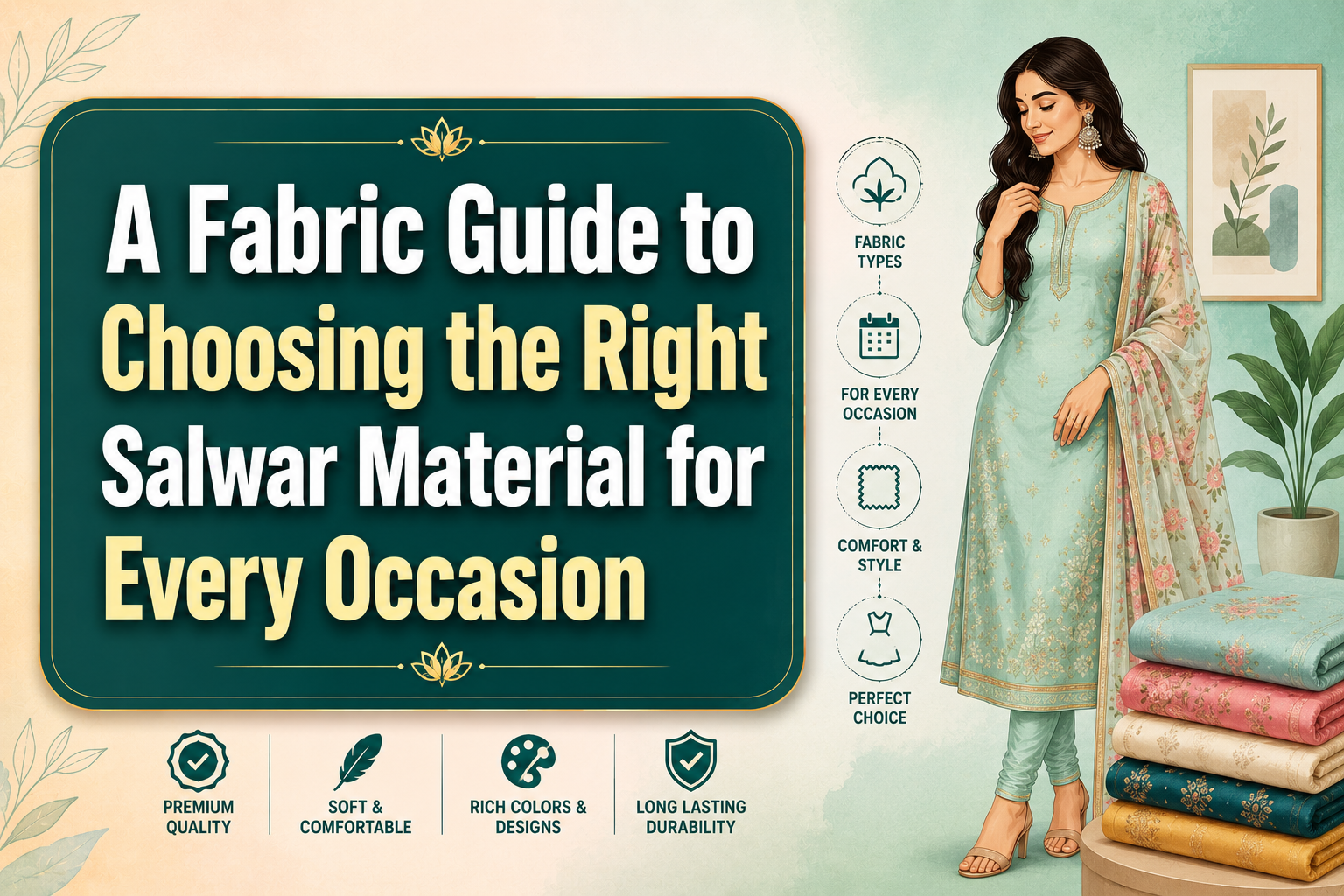
Choosing the right fabric for your salwar is a blend of style, comfort, and practicality. When you shop for salwar materials online, it’s essential to consider the occasion, climate, and personal preference. From lightweight cottons that breathe during summer heat to luxurious silks that add an elegant sheen for special events, each material offers unique benefits. Understanding how different fibers interact with your body and the environment will help you make an informed decision that keeps you looking polished and feeling at ease.
Everyday Comfort: Breathable Fabrics for Daily Wear
For day‑to‑day activities, comfort takes precedence. Cotton blends, such as cotton-polyester mixes, provide a soft feel while maintaining durability. These fabrics are lightweight, breathable, and easy to care for, making them ideal for busy schedules. A cotton salwar paired with a simple kurti or tunic can be worn to the office, school, or casual gatherings. The natural fibers allow airflow, reducing sweat buildup, and the modest design keeps you covered yet stylish. Opt for a subtle color palette to keep the look versatile and easy to match with accessories.
Office‑Ready Fabrics: Structured Yet Comfortable
When dressing for the workplace, you’ll want a fabric that offers structure without compromising comfort. Linen blends are a popular choice for their crisp appearance and natural moisture‑wicking properties. A linen‑cotton salwar provides a polished silhouette while staying cool in air‑conditioned offices. For a more formal setting, consider a lightweight wool blend that maintains shape and adds a touch of sophistication. Pairing these fabrics with a tailored kurta or a blazer can create a balanced, professional look that is both comfortable and presentable.
Festive Fabrics: Rich Textures for Celebrations
Festive occasions call for fabrics that exude vibrancy and richness. Silk, particularly chiffon or georgette, is a go‑to for its lustrous sheen and graceful drape. A silk salwar paired with a matching silk kurta can be a stunning ensemble for Diwali, Eid, or other celebrations. Velvet offers a luxurious feel and deep color options, perfect for winter festivities. When selecting a festive fabric, consider the season’s temperature and the level of formality required; lighter silks suit warmer nights, while heavier velvet is ideal for cooler evenings.
Wedding Season: Elegant Fabrics for the Big Day
Weddings demand fabrics that stand out while respecting tradition. Embroidered cotton or silk blends are excellent choices for wedding salwars, as they combine durability with intricate detailing. A richly embroidered salwar can be paired with a complementary lehenga or a simple, elegant blouse. For brides who prefer a more understated look, a pastel silk or chiffon salwar offers a gentle sheen that complements wedding jewelry. Always ensure the fabric allows for ease of movement, especially if you’ll be dancing or standing for extended periods.
Travel‑Friendly Fabrics: Lightweight and Easy Care
When traveling, the fabric’s weight, wrinkle resistance, and ease of maintenance become critical. Polyester blends are known for their low maintenance and quick drying times, making them travel‑friendly. A lightweight polyester or nylon blend salwar can be packed compactly and will retain its shape throughout the journey. For longer trips, consider a cotton-polyester mix that offers both breathability and wrinkle resistance, allowing you to stay comfortable in varying climates without the hassle of frequent ironing.
Sustainable Choices: Eco‑Friendly Fabrics for Conscious Consumers
With growing environmental awareness, many shoppers are turning to sustainable fabrics. Organic cotton, bamboo, and Tencel are excellent eco‑friendly options. These materials are produced with fewer chemicals and lower water usage, reducing their ecological footprint. A bamboo salwar, for example, offers natural antimicrobial properties and a silky texture, while still being breathable. Choosing sustainable fabrics not only supports ethical production practices but also provides a comfortable, high‑quality garment that lasts longer.
Maintenance Tips: Caring for Your Salwar Fabric
Proper care extends the life of your salwar. Always read the care label before washing, as some fabrics require hand washing or dry cleaning. For cotton or linen blends, gentle machine wash on a low cycle with cold water helps prevent shrinkage. Silk and chiffon should be washed separately, preferably by hand, to maintain their luster. Drying on a hanger or a low‑heat setting preserves the fabric’s shape. Ironing on a low heat setting or using a steam iron can remove wrinkles without damaging the fibers.
Mixing Fabrics: Creating a Unique Look
Experimenting with fabric combinations can yield striking results. Pair a lightweight cotton salwar with a silk blouse for a balanced contrast between texture and sheen. Alternatively, combine a linen salwar with a cotton kurta to achieve a relaxed yet refined aesthetic. When mixing fabrics, consider color harmony and the weight of each material to ensure the overall ensemble feels cohesive. This approach allows you to tailor your outfit to the occasion while showcasing your personal style.
Conclusion: From Everyday to Elegant, Find the Perfect Fabric
Choosing the right salwar material involves understanding your lifestyle, the occasion, and the fabric’s characteristics. Whether you prioritize breathability for daily wear, structure for the office, or elegance for special celebrations, there is a fabric that fits your needs. By exploring ikkat silk sarees and other curated selections, you can elevate your wardrobe with fabrics that combine tradition, comfort, and style. Happy shopping!
