

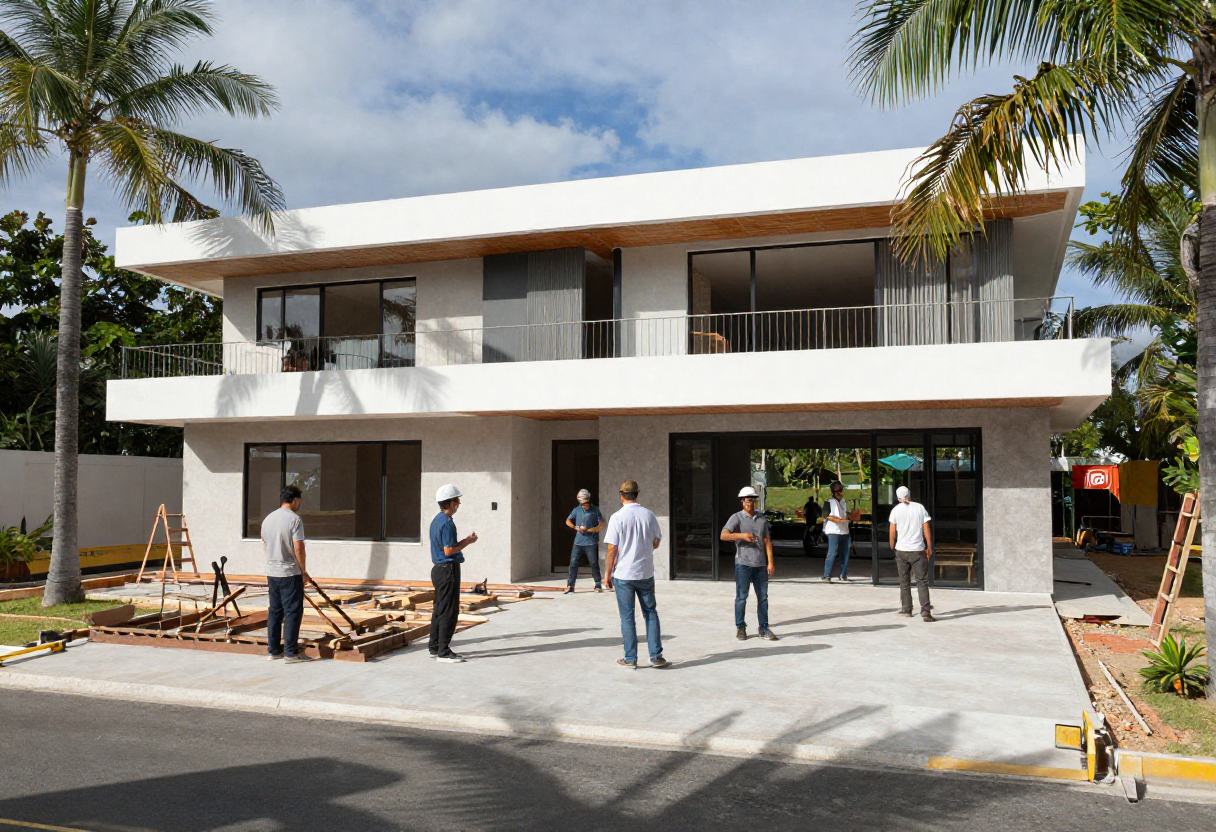
Costa Rica has become one of the most attractive destinations for eco-conscious homeowners and international investors. With its rich biodiversity, stable climate, and strong commitment to environmental protection, the country offers the perfect setting for sustainable living. Whether you are relocating, retiring, or investing, understanding how sustainable home construction works in this region is essential for long-term success.
Modern sustainable building practices not only reduce environmental impact but also improve comfort, durability, and energy efficiency. In Costa Rica, these principles are becoming the standard rather than the exception.
Why Costa Rica is Ideal for Sustainable Homes
Costa Rica stands out globally for its environmental leadership. Nearly all of its electricity comes from renewable sources, and the country has strong conservation policies protecting forests, wildlife, and water systems. This makes it an ideal location for eco-friendly housing.
The tropical climate also plays a major role. With abundant sunlight, seasonal rainfall, and consistent temperatures, homes can be designed to naturally regulate heat and airflow without heavy reliance on artificial systems. This reduces energy consumption significantly.
Additionally, many regions in Costa Rica encourage green development. Local regulations often support sustainable practices such as rainwater harvesting, solar integration, and low-impact construction techniques. For homeowners, this means building responsibly while enjoying a high quality of life surrounded by nature.
Planning Your Build: From Land to Design
When it comes to building a home in Costa Rica, planning is the most important stage. The process begins with selecting the right land, as geography heavily influences design and cost. Coastal areas may require elevated foundations due to humidity and flooding risks, while mountain regions may need structural reinforcement for slopes.
Designing a sustainable home requires balancing aesthetics with function. Open layouts, natural ventilation, and shaded outdoor spaces are common features in Costa Rican architecture. These elements help reduce the need for air conditioning and artificial lighting.
It is also essential to consider legal requirements early. Permits, environmental approvals, and zoning regulations must be followed carefully. Working with local professionals ensures that your project aligns with national building standards and environmental laws.
Proper planning also includes budgeting for infrastructure such as water systems, electricity, and access roads, especially in rural areas. Thoughtful preparation at this stage can prevent costly delays later.
Eco-Friendly Materials and Local Sourcing
Sustainable construction in Costa Rica strongly emphasizes the use of local and renewable materials. Bamboo, teak, melina wood, and volcanic stone are commonly used due to their durability and low environmental impact.
Locally sourced materials offer several advantages. They reduce transportation emissions, support the local economy, and are naturally adapted to the tropical climate. For example, hardwoods like teak resist moisture and insects, making them ideal for humid environments.
Recycled materials are also gaining popularity. Reclaimed wood, repurposed metal, and eco-bricks are increasingly used in modern designs. These materials not only reduce waste but also add unique character to homes.
Interior finishes often focus on natural textures and breathable materials. Lime plaster walls, clay tiles, and natural fiber furnishings contribute to a healthier indoor environment by improving air quality and reducing chemical exposure.
Energy Efficiency and Renewable Systems
Energy efficiency is a cornerstone of sustainable home design in Costa Rica. The goal is to minimize dependence on external power sources while maximizing natural energy use.
Solar energy systems are widely adopted, especially in remote areas. With consistent sunlight throughout the year, solar panels can significantly reduce electricity costs and environmental impact. Many homeowners also install solar water heaters as a cost-effective solution for daily needs.
Natural ventilation is another key feature. Strategic window placement, high ceilings, and cross-ventilation designs allow homes to stay cool without air conditioning. This is especially important in coastal and lowland regions.
Rainwater harvesting systems are also common. These systems collect and store rainwater for irrigation, cleaning, and sometimes even household use after proper filtration. This reduces pressure on local water supplies and ensures sustainability during dry periods.
Smart home technologies are slowly being integrated into eco-homes, helping monitor energy consumption and optimize efficiency in real time.
Working with Costa Rica Home Builders
Choosing the right professionals is critical for a successful project. Experienced costa rica home builders understand local conditions, legal requirements, and sustainable construction methods.
Local builders bring valuable knowledge of terrain, weather patterns, and material availability. They can help adapt international design ideas to suit tropical environments, ensuring both durability and comfort.
Communication is also an important factor. Many reputable builders work with bilingual teams, making it easier for international clients to manage their projects. Transparency in budgeting, timelines, and materials helps build trust and avoid misunderstandings.
Sustainable builders often collaborate with architects, engineers, and environmental consultants to create integrated solutions. This team approach ensures that every aspect of the home—from foundation to roofing—supports eco-friendly principles.
Before selecting a builder, it is important to review previous projects, verify credentials, and understand their approach to sustainability. A strong partnership can turn your vision into a long-lasting, environmentally responsible home.
Costs, Regulations, and Long-Term Value
The cost of sustainable home construction in Costa Rica varies depending on location, materials, and design complexity. While eco-friendly homes may require a higher initial investment, they often result in lower long-term operating costs.
Energy savings from solar systems, reduced water usage, and durable materials contribute to significant financial benefits over time. Additionally, sustainable homes tend to require less maintenance due to their thoughtful design and quality construction.
Regulations in Costa Rica are designed to protect natural resources, so compliance is essential. Environmental impact assessments may be required for certain properties, especially those near forests or coastal zones. Working with professionals ensures smooth navigation of these requirements.
In terms of long-term value, sustainable homes are increasingly desirable in the real estate market. Buyers are actively seeking energy-efficient properties with modern eco-features. This makes sustainable construction not only an ethical choice but also a smart financial investment.
Conclusion
Sustainable home construction in Costa Rica represents a forward-thinking approach to modern living. By combining eco-friendly materials, energy-efficient systems, and thoughtful design, homeowners can create spaces that harmonize with nature while offering long-term comfort and value.
From careful planning and material selection to working with experienced professionals, every step plays a role in building a home that is both beautiful and responsible. For anyone considering building a home in Costa Rica, sustainability is no longer just an option—it is the future of residential development in this tropical paradise.
