

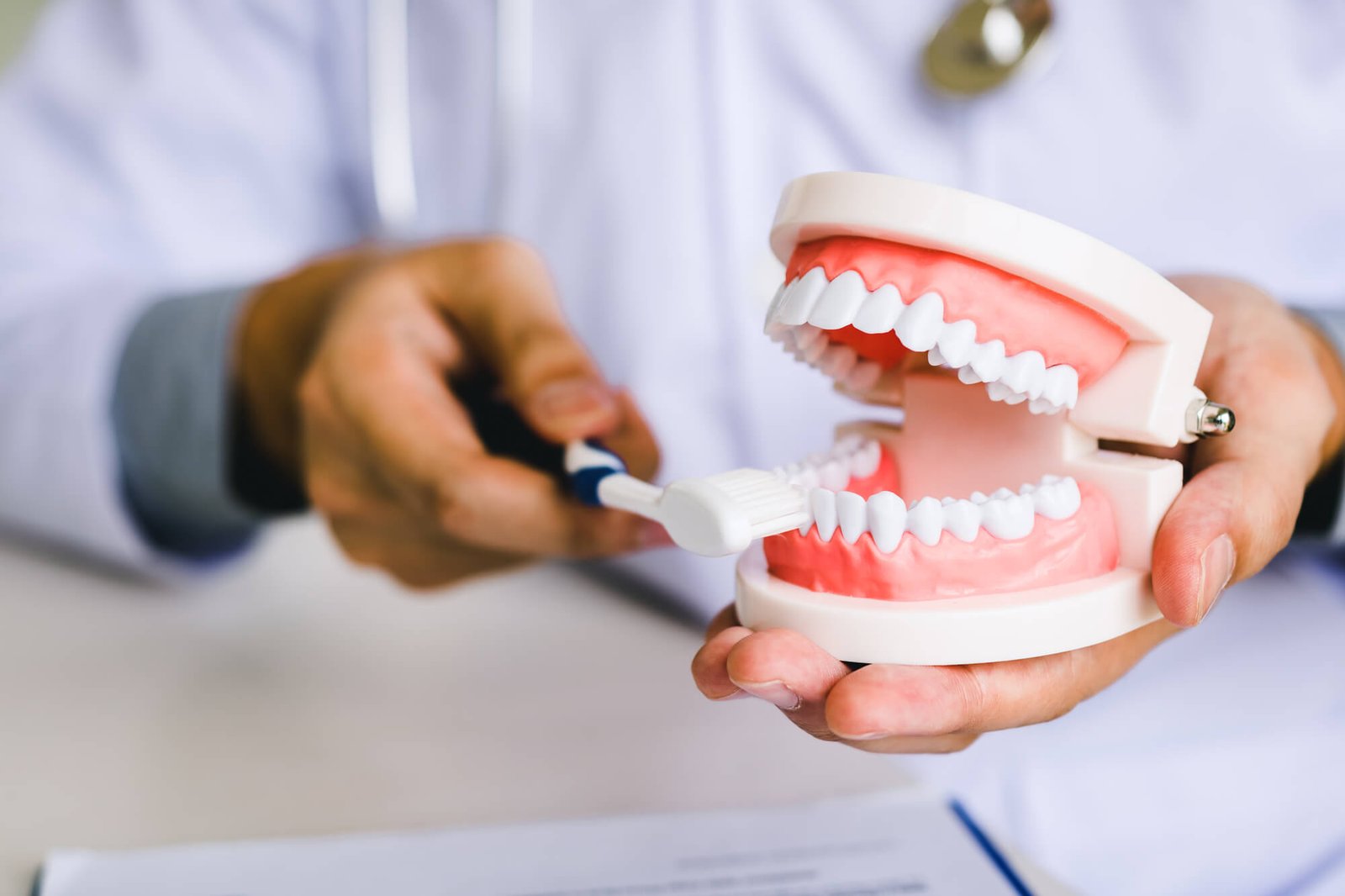
Quality dentures restore chewing ability, speech clarity, and facial structure support for individuals with missing teeth. Modern dental techniques allow dentures to function comfortably for many years when proper care is followed. Lifespan depends on oral hygiene practices, material strength, and daily usage habits. Regular maintenance supports gum health and prevents unnecessary wear. Many individuals also start with Immediate Dentures after tooth extraction to maintain appearance and function during healing. Proper care routines significantly extend durability while improving comfort and long-term oral stability.
Average Lifespan of Quality Dentures
Most well-made dentures last between five and ten years under normal conditions. High-quality materials and professional fabrication contribute to longer service life. Even durable dentures gradually change due to constant pressure from chewing and speaking. Natural changes in jawbone structure and gum tissues also affect fit over time. Full dentures may require more frequent adjustments compared to partial designs. Regular monitoring ensures dentures remain functional and comfortable. Replacement becomes necessary once structural wear or poor fit begins affecting daily activities and oral health.
Key Factors That Affect Denture Durability
Several factors influence how long dentures remain effective and comfortable. Daily cleaning habits play a major role in preventing bacterial buildup and material damage. Rough handling during cleaning or storage may lead to cracks or fractures. Eating hard or sticky foods increases stress on the denture base and teeth. Teeth grinding creates uneven pressure, which reduces stability. Smoking contributes to discoloration and weakens surrounding gum tissues. Consistent care and mindful habits help preserve denture structure and maintain long-term performance.
Importance of Proper Daily Cleaning
Daily cleaning protects dentures from stains, bacteria, and odor buildup. Food particles accumulate throughout the day, making regular cleaning essential for hygiene and durability. Gentle brushing with a soft denture brush helps maintain surface integrity without causing scratches. Abrasive toothpaste and harsh cleaners may damage the material and reduce lifespan. Rinsing after meals removes loose debris and keeps dentures fresh. Overnight soaking maintains moisture balance and prevents warping. Clean dentures also support healthier gums and improved overall oral comfort.
Step-by-Step Denture Care Routine
A consistent care routine ensures dentures remain functional and long-lasting. Rinse dentures after eating to remove food particles. Use a soft brush and denture-specific cleanser to clean all surfaces thoroughly. Avoid applying excessive pressure during brushing to prevent damage. Store dentures in clean water or solution overnight to maintain shape and moisture. Handle dentures carefully over a soft surface to reduce risk of breakage. Routine care prevents staining, maintains fit, and extends overall lifespan while improving daily comfort and confidence.
Eating Habits and Denture Longevity
Food choices directly affect denture durability and performance. Hard foods like ice, nuts, and raw vegetables place excessive pressure on dentures. Sticky foods may loosen stability and affect alignment over time. Chewing evenly on both sides reduces uneven wear and improves balance. Cutting food into smaller pieces helps reduce strain during eating. Avoiding very hot foods prevents material stress. Balanced dietary habits support both denture longevity and gum health. Proper eating techniques contribute to smoother function and longer-lasting dental appliances.
Role of Dental Checkups in Maintenance
Regular dental visits help ensure dentures remain properly fitted and functional. Professional evaluations identify early signs of wear, gum changes, or bite imbalance. Dentists may perform adjustments or relining to restore comfort and stability. Cleaning during appointments removes hardened deposits that cannot be eliminated at home. Routine checkups also help prevent irritation and pressure points on gums. Ongoing professional care supports long-term performance and reduces the need for early replacement. Consistent monitoring keeps dentures comfortable and efficient for daily use.
Changes in Gums and Jawbone Structure
Natural changes in the mouth significantly affect denture fit over time. Jawbone gradually shrinks after tooth loss due to lack of stimulation from natural roots. Gum tissues also change shape, leading to looseness or instability in dentures. These shifts may occur even when dentures remain in good condition. Relining procedures help adjust fit by modifying the inner surface. In some cases, full replacement becomes necessary to match updated oral structure. Regular evaluation helps manage these changes effectively and maintain comfort.
Proper Storage for Long-Term Use
Correct storage practices help preserve denture shape and durability. Dentures should remain moist when not in use to prevent drying and distortion. Clean water or recommended soaking solutions are commonly used for overnight storage. Exposure to heat or direct sunlight may cause warping and structural damage. Safe placement prevents accidental drops or pressure damage. Keeping dentures away from pets and children avoids unnecessary breakage. Proper storage ensures dentures remain hygienic, stable, and ready for daily use without compromise in quality.
Material Quality and Its Impact on Lifespan
The quality of materials used in denture fabrication plays a major role in durability. High-grade acrylic and advanced manufacturing techniques improve resistance to wear and fractures. Well-crafted dentures offer better fit, natural appearance, and long-lasting performance. Lower-quality materials may degrade faster under daily pressure. Skilled dental professionals ensure proper design and precise fitting, which contributes to longer lifespan. Investing in quality dentures reduces long-term repair and replacement needs. Strong materials combined with expert craftsmanship improve overall comfort and reliability.
Lifestyle Habits That Extend Denture Life
Healthy lifestyle choices support longer denture performance and better oral health. Staying hydrated helps maintain moisture in oral tissues and improves comfort. Balanced nutrition strengthens gums and supports overall mouth health. Avoiding tobacco products reduces staining and irritation around gums. Proper chewing habits reduce stress on denture structure. Following dentist recommendations for cleaning and maintenance ensures consistent performance. Small daily habits significantly influence durability and comfort. Responsible care practices lead to improved function and extended denture lifespan over time.
Warning Signs of Denture Replacement
Denture replacement becomes necessary when performance and comfort decline. Loose fitting during speaking or eating indicates structural changes in the mouth. Cracks, chips, or visible wear suggest material breakdown. Persistent sore spots or gum irritation may signal improper fit. Difficulty chewing certain foods reflects reduced efficiency. Clicking sounds during speech indicate instability. Changes in facial appearance may occur due to loss of support. Recognizing these signs early helps prevent discomfort and supports timely professional intervention for improved oral function.
Conclusion
Quality dentures can last many years with consistent care, proper hygiene, and regular dental supervision. Lifespan depends on daily habits, material strength, and natural oral changes. Cleaning routines, safe storage, and balanced eating practices all contribute to long-term durability. Professional checkups ensure proper fit and function over time. Even well-maintained dentures eventually require adjustment or replacement due to structural changes in the mouth. Proper care habits support comfort, stability, and reliable performance throughout the denture’s usable lifespan.
