

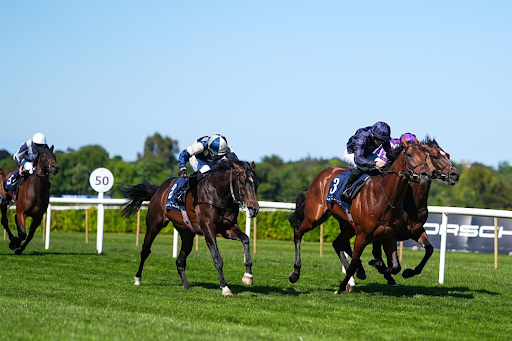
Horse racing continues to hold a unique place in India’s sporting and entertainment culture. Among the country’s most recognised racing venues, the Bangalore turf club stands out for its rich heritage, competitive racing calendar, and strong influence on Indian horse racing traditions. Located in the heart of Bengaluru, the club has become an important destination for racing enthusiasts, horse owners, jockeys, and spectators who follow the sport closely. Over the years, the venue has developed a reputation for hosting major racing events that attract participants and audiences from across the country.
The Historical Importance of Bangalore Turf Club
The history of horse racing in Bengaluru dates back to the colonial era, when racing became a popular recreational activity among British officers and elite social circles. The Bangalore Turf Club eventually evolved into one of India’s most respected racing institutions and has continued to host racing events for decades.
Spread across a large green space near Race Course Road, the club includes racing tracks, training facilities, stables, and viewing areas designed for racing events. Reports about the venue frequently highlight its role in supporting horse training, race organisation, and equestrian development within India.
Why Do Horse Racing Enthusiasts Follow Bangalore Races?
Racing events hosted at Bangalore Turf Club often feature competitive fields, experienced jockeys, and well-trained horses. Seasonal meetings organised at the venue are closely followed by racing communities because of the quality of races and the participation of recognised trainers and owners.
Feature races held during the summer and special racing events often include substantial prize money and strong competition across different racing categories. Enthusiasts study race cards, horse performance records, jockey combinations, and track conditions before making predictions for the day’s races.
The atmosphere during race days also contributes to the popularity of the venue. Visitors often describe the excitement surrounding the paddock, race announcements, and final stretch finishes as one of the most engaging parts of attending a live horse racing event.
Understanding Turf Racing Strategy
Turf racing requires careful analysis because track conditions, jockey decisions, and horse stamina can significantly affect race outcomes. Racing communities frequently discuss how turf races differ from dirt racing in terms of pacing, positioning, and riding tactics.
Many experienced followers pay close attention to factors such as:
- Recent horse performance
- Jockey success rates
- Draw positions
- Distance suitability
- Weather and turf conditions
- Trainer consistency
The Social and Cultural Appeal of Turf Clubs
Turf clubs are not only associated with racing but also with social interaction, heritage, and sporting culture. Many visitors attend races to experience the atmosphere, observe the horses, and participate in the excitement surrounding major race meetings. Community conversations about turf clubs often describe them as places connected with old-world traditions, sporting prestige, and long-standing social culture. At the Bangalore turf club, race days bring together people from different backgrounds who share an interest in horse racing and equestrian sports.
Growth of Horse Racing Coverage and Digital Racing Communities
The popularity of digital media platforms has increased public access to horse racing news, race previews, and expert analysis. Websites and racing portals now provide race schedules, contender lists, jockey updates, and event coverage for racing fans who follow multiple racecourses across India.
This growing online coverage has helped introduce horse racing to younger audiences and casual sports followers. Social discussions, race previews, and community forums also allow enthusiasts to exchange opinions about horse performance, track conditions, and race predictions.
Conclusion
Indian horse racing continues to attract enthusiasts because of its blend of competition, strategy, history, and sporting tradition. From experienced punters to casual spectators, many followers closely monitor race meetings, jockey performances, and seasonal competitions hosted at the venue. As digital racing communities continue to grow, racing discussions, expert analysis, and other resources, such as Mumbai horse race tips, are becoming increasingly important for enthusiasts looking to stay informed about the evolving world of Indian horse racing.
