

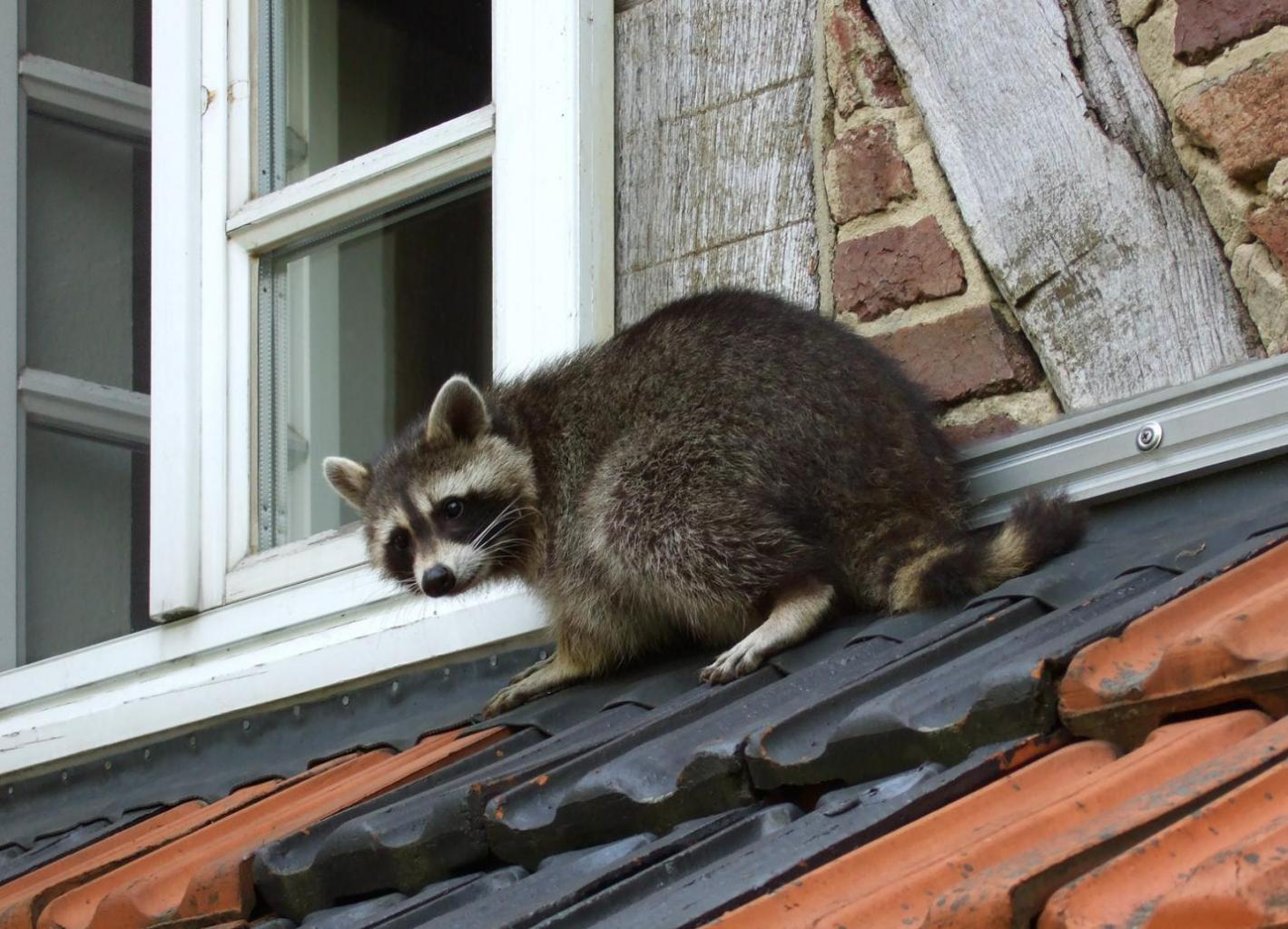
Wildlife around residential properties is more common than many homeowners realise. Animals such as raccoons, squirrels, bats, skunks, and opossums often move surprisingly close to homes in search of food, warmth, and shelter.
At first, the signs may seem minor. You may hear scratching sounds in the attic at night, notice damaged insulation, or spot droppings near the garage or roofline. However, wildlife problems can escalate quickly if the animals remain inside or around the property.
In areas like Louisville, seasonal weather changes often increase wildlife activity as animals search for protected nesting areas during colder or wetter periods.
Understanding the risks associated with wildlife infestations is important for protecting both your home and your family.
Why Wild Animals Enter Residential Properties
Wild animals are constantly searching for survival resources. Homes provide many of the conditions animals need, including:
- Shelter from predators
- Warm nesting locations
- Reliable food sources
- Access to water
Attics, crawl spaces, garages, chimneys, sheds, and wall voids commonly become nesting sites because they offer protection and limited human disturbance.
Garbage bins, pet food, bird feeders, and outdoor clutter can also attract wildlife onto the property.
Common Wildlife Problems Homeowners Face
Raccoons
Raccoons are highly intelligent and adaptable animals. They can tear roofing materials, damage vents, and create entry points into attics.
Once inside, raccoons may destroy insulation, contaminate surfaces with waste, and create significant noise disturbances.
Squirrels
Squirrels frequently enter attics through small roof gaps or damaged soffits. Their constant chewing can damage wood, wiring, and insulation materials.
Chewed electrical wiring may even increase fire risks in severe infestations.
Bats
Bats commonly roost inside attics and wall voids. While bats help control insects outdoors, indoor infestations can create health concerns due to droppings and contamination.
Skunks
Skunks often burrow beneath decks, porches, or sheds. Besides the obvious odour issues, they may also damage landscaping and create burrowing problems.
Opossums
Opossums may hide under structures or inside garages searching for food and shelter. They can spread bacteria and create sanitation concerns around the property.
Signs You May Have a Wildlife Problem
Wildlife infestations are not always immediately visible. Some of the most common warning signs include:
- Scratching or movement sounds in walls or ceilings
- Droppings near attics or crawl spaces
- Strong odours
- Damaged vents or roofing
- Torn insulation
- Animal tracks around the property
- Nesting materials inside hidden areas
Ignoring these signs often allows infestations to become larger and more difficult to remove.
Why Wildlife Removal Should Be Handled Carefully
Many homeowners attempt to remove animals themselves without understanding the risks involved.
Wild animals may bite, scratch, or carry diseases such as rabies, leptospirosis, or parasites. Improper removal attempts can also trap animals inside walls or separate mothers from their young.
In some situations, animals become aggressive when threatened or cornered.
Additionally, certain wildlife species are protected by regulations that control how removal must be handled.
Professional wildlife removal focuses on humane removal methods while also identifying entry points and preventing future infestations.
Property Damage Caused by Wildlife
Wildlife can create serious property damage over time.
Some of the most common issues include:
- Damaged insulation
- Contaminated attics
- Structural wood damage
- Destroyed ductwork
- Chewed electrical wiring
- Roof damage
- Blocked ventilation systems
The longer animals remain inside a structure, the greater the repair costs often become.
Why Prevention Matters
Removing animals alone does not always solve the problem permanently.
If entry points remain open, new wildlife may return later. Effective wildlife prevention often includes:
- Sealing roof gaps
- Repairing vents and soffits
- Securing garbage containers
- Removing outdoor food sources
- Trimming tree branches near roofs
- Installing protective barriers where needed
Preventive work helps reduce the chances of recurring wildlife activity around the property.
Seasonal Wildlife Activity in Louisville
Louisville homeowners may notice increased wildlife activity during seasonal transitions.
During colder months, animals search for warm indoor shelter. In spring, many species look for nesting areas to raise young. Heavy rain or environmental disruptions can also force wildlife closer to residential areas.
Because wildlife behaviour changes throughout the year, infestations may appear suddenly even in previously unaffected homes.
When Professional Wildlife Removal Is Necessary
Professional wildlife removal is often recommended when:
- Animals enter attics or wall spaces
- Infestations involve multiple animals
- Health risks are present
- Structural damage is visible
- DIY removal attempts fail
- Entry points are difficult to access safely
Experienced professionals can inspect the property thoroughly, remove animals safely, and recommend long-term prevention strategies.
Conclusion
Wildlife problems should never be ignored simply because the animals may seem harmless at first. Small infestations can quickly lead to property damage, contamination, unpleasant noise, and potential health risks for homeowners and families.
Early detection and professional removal are important for preventing more serious and expensive issues later. Many homeowners also rely on trusted pest control services in Louisville to help identify wildlife entry points, reduce recurring infestations, and protect their homes year-round.
For homeowners in Louisville, recognising the warning signs early and taking quick action can help safeguard both the property and the people living inside it.
