

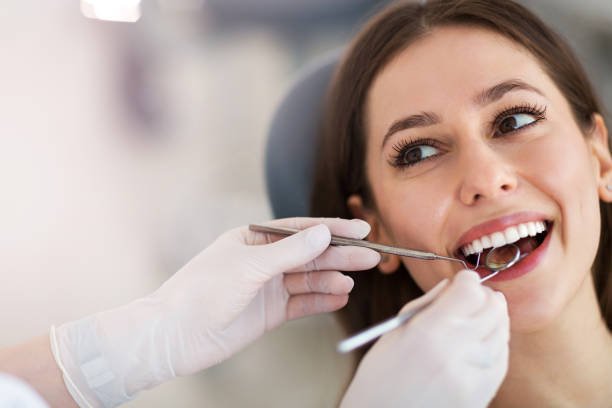
You don’t really notice your teeth… until you do. Usually in a random photo or a mirror with harsh lighting. Something feels off. Not bad, just not how you want it. A little dull, maybe slightly yellow. It nags at you more than it should. That’s where cosmetic dental treatments come into the picture—not in a flashy, over-the-top way, just quietly fixing something small that ends up feeling kind of big later.
Why Smile Color Actually Matters More Than You Think
People say “it’s what’s inside that counts,” sure, but first impressions don’t wait around for depth. A smile lands fast. Bright-ish teeth tend to read as clean, healthy, put together. Duller shades? They don’t ruin anything, but they don’t help either. And over time, you start adjusting without noticing. Smiling less in photos. Covering your mouth when you laugh. It’s subtle stuff. Easy to ignore, until you can’t unsee it.
What Teeth Whitening Really Does (and What It Doesn’t)
Let’s keep this grounded. Whitening doesn’t fix crooked teeth or chips or anything structural. It’s not a miracle switch. What it does is lift stains—coffee, tea, tobacco, just everyday buildup that settles in. Some methods go deeper than others, but the idea stays simple: make your teeth look cleaner than they did yesterday. Not fake white. Not blinding. Just… better. Like you finally cleaned a window you didn’t realize was cloudy.
The Confidence Shift—Small Change, Real Impact
Here’s the part people don’t always expect. When your teeth look a bit brighter, you stop thinking about them so much. That’s it. That mental noise drops. You talk without that tiny pause. You smile without checking yourself first. It’s not some dramatic personality change. You’re still you. Just less guarded. And weirdly, other people pick up on that. Conversations feel easier. You come across more open. It’s a chain reaction, kind of.
Different Whitening Options (And Why It’s Not One-Size-Fits-All)
There’s no single “best” option, which can be annoying if you just want a clear answer. In-clinic whitening is fast. You sit there, light or gel or both, and you walk out noticing a difference. Take-home kits from a dentist are slower but more controlled. Then you’ve got store-bought strips and gels—they work, just not always evenly, and yeah, patience helps. Some people see results in days, others take longer. Depends on your teeth, your habits, even your expectations going in.
Sensitivity, Safety, and the Stuff People Worry About
Tooth sensitivity is the thing everyone brings up. Fair. It can happen. Usually short-lived though, like a sharp twinge when you drink something cold. Annoying, but it passes. Dentists can dial things down if needed, or suggest products that help. The bigger issue is overdoing it. People think more whitening equals better results. Not really. At some point, you’re just irritating your teeth. And those DIY tricks online—lemon, charcoal, whatever’s trending—some of that stuff does more harm than good. Not worth it.
How Long Results Last (And Why Habits Matter)
Whitening fades. That’s just reality. How fast depends on you. Coffee every few hours? Yeah, it’ll come back quicker. Same with smoking or certain foods. But it’s not like you’re starting from zero again. Small habits help—rinsing your mouth, occasional touch-ups, not going overboard with stain-heavy stuff. It’s maintenance, but not the exhausting kind. More like… staying aware.
It’s Not Just About Looks—There’s a Health Angle Too
Funny thing is, once people start caring about how their teeth look, they usually start caring about how they’re doing overall. Brushing gets a bit more thorough. Flossing stops being optional (well, sometimes). Regular checkups don’t feel as skippable. That’s where gum disease prevention sort of slips in naturally. You’re paying attention again, and that alone makes a difference. Healthier gums, fewer problems sneaking up on you later. It adds up.
Natural Confidence vs Forced Perfection
There’s a line between improving something and obsessing over it. Whitening sits somewhere in the middle, if you let it. It’s not about chasing perfect teeth—that usually looks… off anyway. It’s more about getting back to a version of your smile that feels right to you. Familiar, just cleaner. And that’s where the confidence feels real. Not forced, not staged. Just easier, like you’re not overthinking it anymore.
Conclusion
Teeth whitening isn’t a huge life decision. It’s pretty simple, actually. But the effect sneaks up on you. You smile more. You hesitate less. You stop noticing your teeth in a negative way, which is probably the biggest win. It doesn’t turn you into someone else—and it shouldn’t. It just removes a small thing that was quietly bothering you. And once it’s gone, things feel… lighter. Not perfect. Just better.
