

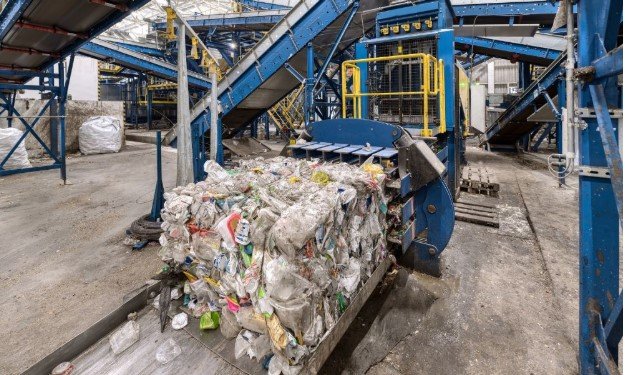
Managing large volumes of waste has become a major challenge for industries, commercial facilities, and manufacturing units. As production and consumption increase, so does the need for efficient systems that can handle waste responsibly. A waste compaction system is one of the most effective solutions for reducing waste volume and improving overall handling efficiency. In the middle of industrial operations, waste compactors help businesses compress bulky waste materials into smaller, manageable forms, making storage, transport, and disposal significantly more efficient.
Understanding Waste Compactors
Waste compactors are mechanical or hydraulic machines that compress waste materials into dense blocks. Instead of storing loose waste that takes up a large amount of space, compactors reduce its volume by applying controlled pressure. This process helps industries manage waste more systematically while maintaining cleaner and more organised facilities.
These machines are commonly used in manufacturing units, warehouses, retail centres, hospitals, and logistics hubs where waste generation is continuous and high in volume.
How Waste Compactors Function
The working mechanism of waste compactors is based on compression force. Waste is loaded into a chamber, and a hydraulic ram or mechanical press compresses it into a dense mass. Once compacted, the waste is stored in a container or baler for easy collection and disposal.
The process typically includes:
- Loading waste into the machine
- Activating compression using hydraulic pressure
- Reducing waste volume significantly
- Storing compacted waste for disposal or recycling
This simple yet powerful mechanism allows industries to manage waste more efficiently without requiring excessive storage space.
Importance of Industrial Waste Management
In large-scale industries, waste management is not just about disposal but also about efficiency and sustainability. Waste compactors play a key role in improving operational workflows by reducing the frequency of waste collection and minimising storage requirements.
They also help industries maintain compliance with environmental regulations by ensuring that waste is handled in a controlled, structured manner. This reduces the risk of overflow, contamination, and workplace hazards.
Contribution to Industrial Waste Recycling
One of the most significant advantages of compactors is their contribution to industrial waste recycling processes. By compressing waste into dense, transportable units, they make it easier for recycling facilities to process materials efficiently.
Common recyclable materials processed through compactors include:
- Cardboard and paper waste
- Plastic packaging materials
- Metal scraps
- General industrial waste
When waste is compacted, transportation becomes more efficient, reducing fuel consumption and operational costs while improving recycling output.
Benefits of Using Waste Compactors
The adoption of waste compactors offers several advantages across different industries:
1. Space Optimisation
Compacting waste significantly reduces its volume, freeing up valuable space within industrial premises.
2. Cost Efficiency
With reduced waste volume, fewer collection trips are needed, lowering transportation and disposal costs.
3. Improved Hygiene and Safety
Properly compacted waste reduces the risk of pest infestation, odours, and workplace hazards.
4. Operational Efficiency
Businesses can streamline waste-handling processes, allowing staff to focus on core operations rather than waste management.
5. Environmental Responsibility
By improving waste handling and recycling efficiency, compactors help reduce reliance on landfills and support sustainable practices.
Types of Waste Compactors
Different industries require different types of compactors depending on their waste output:
- Vertical compactors for small to medium waste volumes
- Horizontal compactors for high-volume industrial use
- Stationary compactors for continuous waste generation
- Self-contained compactors for wet or mixed waste
Each type is designed to meet specific operational needs and improve waste handling efficiency.
Environmental Impact
Waste compactors play an important role in promoting sustainable industrial practices. By reducing waste volume and improving recycling efficiency, they help reduce the environmental burden associated with excessive landfill use. They also help reduce carbon emissions by reducing the number of waste transport trips required.
Conclusion
Efficient waste management is essential for modern industries aiming to improve productivity and sustainability. A well-designed compaction system not only reduces operational costs but also enhances environmental responsibility. The growing importance of industrial waste recycling underscores the need for smarter waste-handling solutions that support long-term ecological balance while maintaining industrial efficiency.
