

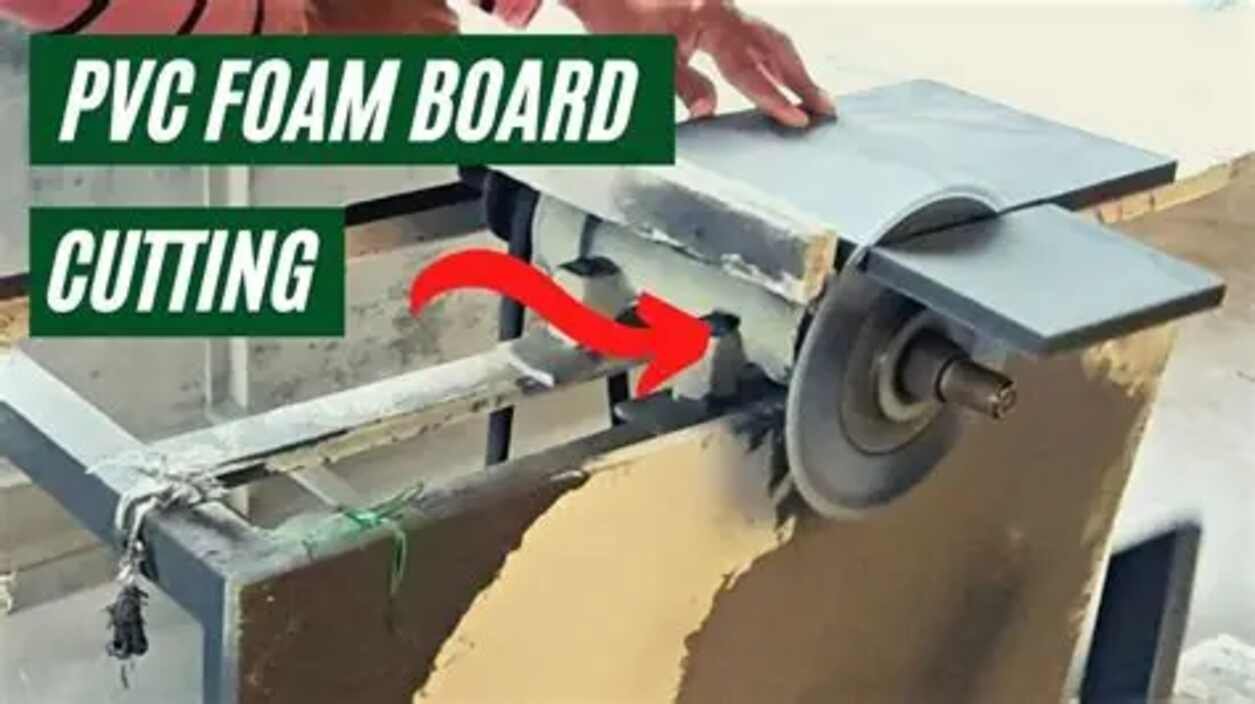
PVC foam board has become a core material across signage, construction, furniture fabrication, and industrial manufacturing. Its strength, lightweight structure, and smooth surface make it flexible enough for creative applications, yet stable enough for technical builds. To get the most out of this material, professionals must understand how to cut it cleanly, shape it accurately, and refine its surface for a polished result. Mastery of these steps directly affects durability, visual quality, and production efficiency.
Below is a clear guide to help teams and manufacturers elevate their work with PVC foam board, from basic handling to advanced finishing processes.
Understanding the Material
PVC foam board is produced through a foamed extrusion process that creates a dense yet lightweight core. Its closed-cell structure resists moisture, chemicals, and impact. Because of this, the board performs well in both indoor and outdoor environments.
The material is rigid enough to maintain form, but its surface is soft enough to respond well to cutting and shaping tools. This combination allows for fast fabrication without sacrificing stability. Before any cutting or shaping task, always confirm the board’s density grade, thickness, and finish type. These factors influence tool choice and final surface treatment.
Cutting PVC Foam Board with Precision
Clean cutting is the first step toward a professional finish. PVC foam board is forgiving, but choosing the wrong blade or technique can lead to rough edges, cracks, or surface tearing.
Manual Cutting
For thin boards, a sharp utility knife is often the simplest option. Score the board lightly along a straightedge, then deepen the cut until the blade passes through. This method provides control, especially useful for quick adjustments or small craft details. Always use fresh blades to avoid dragging marks.
Power Tools
For production settings or thicker boards, power tools deliver consistent results.
Circular saws work well for straight cuts. Use a fine toothed blade designed for plastics to reduce chipping.
Table saws provide better stability for long cuts and repetitive sizing.
Jigsaws help when working with curves or custom shapes. A medium speed setting prevents the material from melting or sticking.
Regardless of the tool, support the board fully during cutting to prevent vibration. Slow, steady feed rates produce cleaner edges and reduce the chance of heat buildup.
Shaping Techniques for Advanced Applications
Shaping expands the creative and functional possibilities of PVC foam board. Designers can create dimensional letters, molded edges, and curved structures without compromising strength.
Routing for Detail
Routers are common in sign making and furniture production. With the right bit, you can add beveled edges, grooves, or intricate profiles. Carbide bits deliver the best lifespan and accuracy. Keep the router moving at a steady pace to avoid gouging the surface.
Heat Forming
PVC foam board becomes flexible when heated evenly. A controlled heat gun, strip heater, or dedicated oven can soften the material without burning it. Once pliable, the board can be bent around molds or frames. After cooling, it retains its new shape permanently.
Always heat gradually and test on a scrap piece first. Overheating can damage the surface or create uneven textures.
CNC Machining for High Precision
For industrial production, CNC routers offer unmatched consistency. Digital control ensures repeatable accuracy for large volumes of identical parts. CNC systems can cut, bevel, engrave, and contour the board with minimal finishing required afterward.
Achieving a Professional Surface: The Finishing of PVC Foam Board
The Finishing of PVC Foam Board is what separates standard work from exceptional work. Whether you aim for a matte architectural look or a high gloss promotional finish, the right approach enhances both beauty and durability.
Sanding and Edge Smoothing
After cutting or machining, edges may show minor tool marks. Begin with fine grit sandpaper and move in smooth, linear motions. Avoid heavy pressure, since the material is soft enough for subtle shaping. For large production runs, edge sanders shorten the process while keeping results consistent.
Painting and Coating
PVC foam board accepts many types of paints, including acrylic, polyurethane, and latex. Before painting:
- Clean the surface with a mild detergent or isopropyl alcohol.
- Lightly scuff the surface if a stronger bond is needed.
- Apply primer when using specialized coatings or when color uniformity is critical.
For outdoor applications, UV resistant coatings preserve brightness and protect the board from long term weather exposure.
Adhesives and Lamination
PVC foam board bonds easily with solvent based adhesives, cyanoacrylates, and specialized PVC glues. When laminating films or vinyl, ensure the surface is clean and dry. Use a roller to push out air pockets and secure a smooth bond. Laminated finishes improve scratch resistance and open up custom design options.
Final Thoughts
PVC board offers impressive versatility, but its true value emerges when professionals master the steps of cutting, shaping, and finishing. Whether for signage, architectural components, or industrial products, consistent technique leads to reliable results. By choosing the right tools, handling the material with care, and investing in quality finishing processes, manufacturers can create products that look polished, perform well, and stand up to global industry expectations.
