

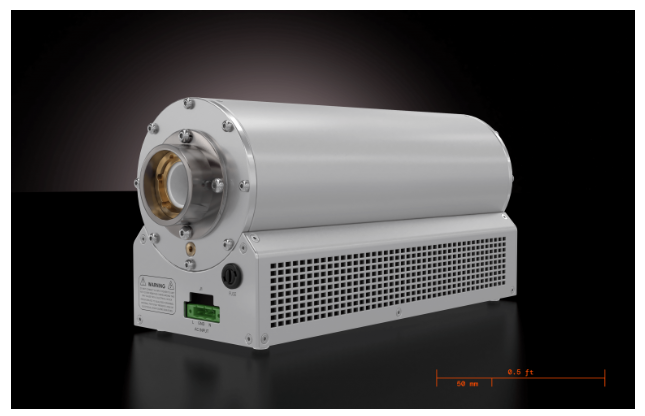
Medical imaging has transformed the way healthcare professionals diagnose, monitor, and treat patients. At the heart of many imaging systems lies a component that is often overlooked but critical for delivering precise, high-quality images: the X-ray generator. Understanding how these generators function, their role in medical imaging, and the technology behind them can offer insight into why they are indispensable in modern healthcare.
What is an X-Ray Generator?
An X-ray generator is a specialized device that produces high-voltage electricity needed to generate X-rays. While X-ray tubes are responsible for converting electrical energy into X-rays, the generator provides the power supply of X ray machine, enabling it to function efficiently and safely. Essentially, it is the engine that drives the imaging process, determining the intensity, duration, and quality of the X-ray beam.
The Role of X-Ray Generators in Medical Imaging
The primary function of an X-ray generator is to produce a stable and controllable flow of electricity to the X-ray tube. This process involves converting standard AC (alternating current) electricity from the hospital power grid into high-voltage DC (direct current) necessary for X-ray production. The precision and consistency of this power conversion directly affect image quality, patient safety, and the overall reliability of the imaging system.
High-quality generators enable imaging professionals to adjust parameters such as tube current, exposure time, and voltage. These adjustments are critical for capturing clear images while minimizing radiation exposure. A well-calibrated generator ensures that every image, from a simple chest X-ray to complex computed tomography (CT) scans, is of diagnostic quality.
Types of X-Ray Generators
Modern X-ray generators come in various types, each designed for specific applications and performance needs:
- Single-Phase Generators: These are typically found in smaller, older systems. They provide a basic x ray machine power supply and are suitable for low-volume diagnostic applications. While they are cost-effective, they may produce slight voltage fluctuations, affecting image clarity.
- Three-Phase Generators: Common in hospital-grade X-ray systems, these generators provide a more stable output, which leads to higher image quality and shorter exposure times. Three-phase generators are particularly advantageous in fluoroscopy and high-resolution imaging.
- High-Frequency Generators: Known for their efficiency and compact size, high-frequency generators use electronic circuits to convert AC to high-voltage DC with minimal ripple. They reduce patient exposure and allow for faster imaging, making them ideal for modern diagnostic imaging centers.
- Digital Generators: Integrated with advanced imaging software, these generators provide real-time control over X-ray parameters, enhancing both workflow and diagnostic accuracy. Digital generators are increasingly being adopted in radiology departments for their precision and adaptability.
Key Components of an X-Ray Generator
An X-ray generator is a sophisticated assembly of multiple components working in unison:
- Transformer: Steps up the input voltage to the high levels required by the X-ray tube.
- Rectifier: Converts AC to DC, providing a steady flow of electricity for X-ray production.
- Timer: Controls exposure duration, which is crucial for both image quality and patient safety.
- Control Panel: Allows operators to adjust parameters like voltage (kV), current (mA), and exposure time.
- Cooling System: Prevents overheating of the generator, ensuring continuous operation and prolonging its lifespan.
Each of these components is carefully engineered to deliver a precise and reliable power supply of x ray machine, ensuring optimal performance during diagnostic procedures.
How X-Ray Generators Impact Image Quality
The performance of an X-ray generator has a direct influence on the quality of medical images. Voltage fluctuations or inadequate current supply can result in images that are underexposed, overexposed, or blurred. High-frequency and three-phase generators minimize these issues by providing a consistent and stable electrical output. This reliability allows radiologists to detect subtle abnormalities, improving diagnostic accuracy and patient outcomes.
Additionally, modern X-ray generators support digital imaging systems, which demand high levels of precision. Any instability in the power supply can compromise image resolution, contrast, and overall diagnostic value. Therefore, selecting generators from reputable X Ray generator manufacturers is critical to maintaining imaging standards and patient safety.
Safety and Reliability Considerations
X-ray generators operate at extremely high voltages, often exceeding tens of thousands of volts. Safety measures are integral to their design to prevent electrical hazards and ensure operator protection. Generators are equipped with grounding systems, insulation, and monitoring mechanisms to detect and respond to anomalies.
Reliability is equally important. Hospitals and imaging centers rely on generators that operate consistently under heavy workloads. Frequent downtime or technical failures can disrupt patient care, highlighting the need for robust, well-engineered systems from trusted X Ray generator manufacturers.
Advancements in X-Ray Generator Technology
Recent years have seen significant technological advancements in X-ray generators. These improvements are driven by the need for higher image quality, lower radiation doses, and increased operational efficiency. Key innovations include:
- Compact Designs: Modern generators are smaller and lighter, enabling portable imaging systems and easier integration with advanced digital imaging platforms.
- Intelligent Power Management: Advanced generators optimize voltage and current in real-time, reducing energy consumption and prolonging tube life.
- Integration with AI and Software: Some generators now feature smart algorithms that assist radiologists by adjusting parameters for optimal image quality based on patient size and anatomy.
These advancements underscore the critical role of the generator in modern medical imaging, extending far beyond its traditional role as a mere power source.
Choosing the Right X-Ray Generator
Selecting the right generator is a strategic decision for medical facilities. Factors to consider include:
- Application Needs: Whether for general radiography, fluoroscopy, or CT scans.
- Output Stability: Ensuring consistent power for high-quality imaging.
- Ease of Maintenance: Generators with modular components reduce downtime and simplify servicing.
- Vendor Reputation: Working with established X Ray generator manufacturers ensures access to reliable products and technical support.
Ultimately, a high-performing generator is an investment in both patient safety and diagnostic accuracy.
Conclusion
X-ray generators are the unsung heroes of medical imaging, providing the critical x ray machine power supply that allows healthcare professionals to see inside the human body with precision and clarity. From single-phase units to high-frequency systems, these generators play a pivotal role in delivering accurate, safe, and efficient diagnostic imaging. Their performance directly impacts image quality, patient safety, and operational reliability, making them indispensable in modern healthcare facilities.
VJ X-Ray stands at the forefront of this technology. With over three decades of expertise, their engineering team develops highly customizable X-ray sources and high-voltage generators. Serving global OEM partners from facilities in New York and Suzhou, they deliver integrated solutions that power the next generation of medical imaging systems with precision and reliability.
