

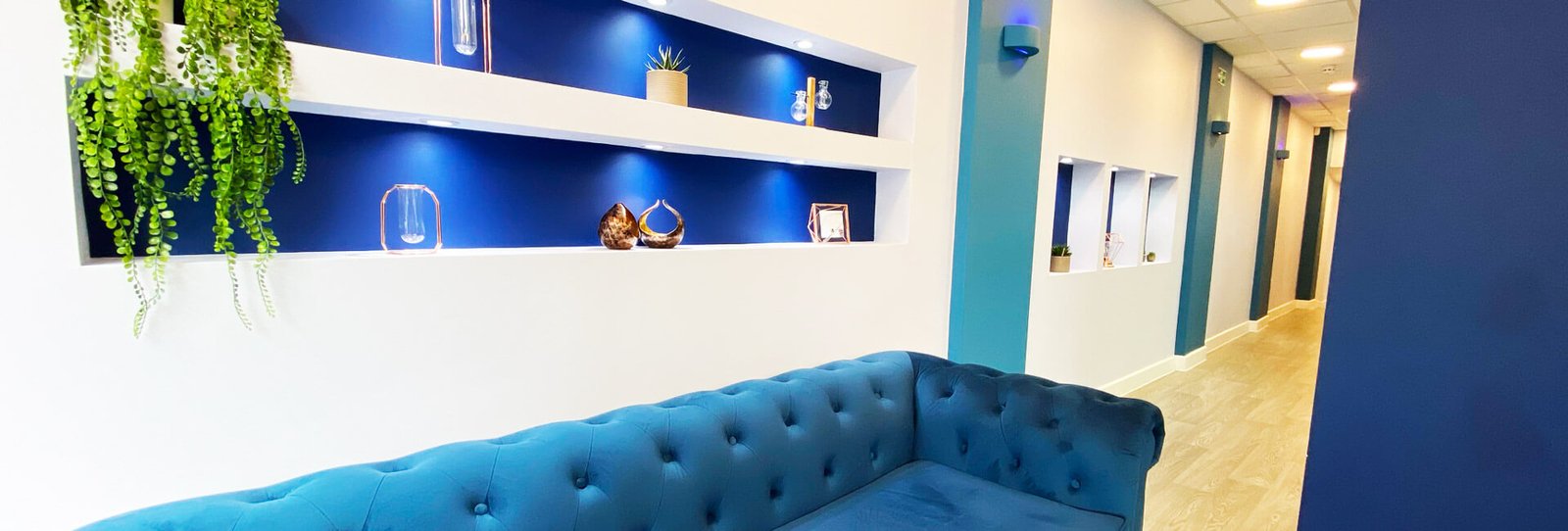
Your dental practice layout directly influences patient comfort, staff workflow, and overall profitability. A well-thought-out design not only improves operational flow but also builds patient trust from the moment they walk through the door. From reception to treatment rooms, every element of dental practice interior design should guide visitors smoothly while maintaining a calm and hygienic atmosphere.
1. First Impressions Begin at the Entrance
The entrance is your first chance to communicate professionalism and warmth — a key aspect of dental practice interior design that instantly shapes patient perceptions and sets the tone for their visit. Patients form an opinion within seconds, so your reception area should reflect your brand identity while offering a sense of reassurance.
Key design principles for a welcoming entrance:
- Use clear signage that’s easy to read and well-lit.
- Ensure doors and thresholds are accessible for all.
- Include greenery or natural materials for a softer touch.
- Position the reception desk to face the entrance for an immediate greeting.
The design should balance visibility and privacy — patients need to feel seen, not exposed. This first impression sets the emotional tone for their entire visit.
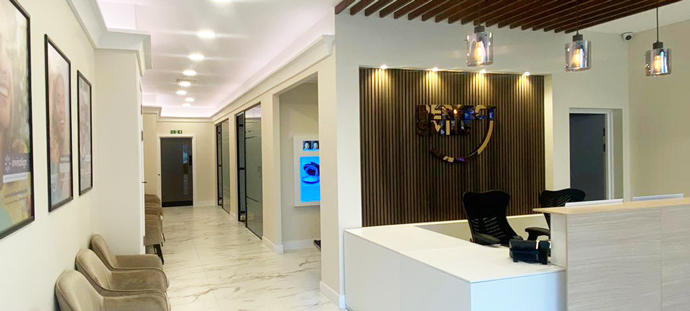
2. Reception and Waiting Areas That Build Trust
The waiting area is not merely a pause point; it’s an opportunity to reinforce comfort and reliability. Design this space with relaxation and reassurance in mind.
Comfort-driven design tips:
- Use ergonomic seating that’s easy to clean and properly spaced.
- Add soft lighting to create a calm atmosphere.
- Introduce subtle scents and gentle background music to reduce anxiety.
- Choose neutral colours with warm undertones for a professional yet soothing look.
Colour psychology plays an important role — crisp whites look clinical but can feel cold; warmer shades like soft beige or muted blues help calm nerves while maintaining cleanliness.
This part of your dental practice refurbishment should feel intentional and uncluttered, ensuring patients associate your clinic with care and confidence.
3. Functional Flow: The Backbone of a Productive Clinic
A high-converting layout optimises both patient and staff movement. Efficient flow ensures minimal waiting time, fewer disruptions, and seamless transitions between treatment stages.
Flow principles to consider:
| Area | Purpose | Design Tip |
| Reception | Welcoming and check-in | Keep reception visible but separate from treatment areas |
| Waiting Area | Comfort and reassurance | Position close to consultation rooms for easy transition |
| Consultation Rooms | Confidentiality and focus | Use soundproofing and separate staff/patient access |
| Treatment Rooms | Efficiency and hygiene | Include clear zoning for clean and contaminated tools |
A strong flow design also supports better infection control, making daily operations smoother and more compliant with CQC standards.
4. Treatment Rooms Built for Efficiency and Ease
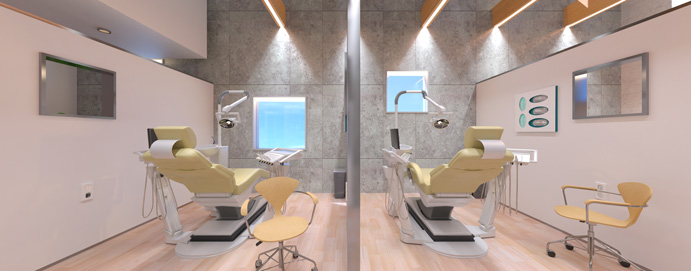
Your treatment areas are the operational heart of the clinic. Every inch must serve a purpose — clutter-free, well-lit, and easy to sanitise.
Design considerations:
- Position treatment chairs to optimise visibility and natural light.
- Integrate concealed storage to reduce visual distraction.
- Ensure surfaces are smooth and resistant to disinfectants.
- Include ergonomic positioning for staff to prevent strain.
Lighting matters here more than anywhere else. Combine bright overhead LEDs with accent lights for balance and precision. A carefully planned layout allows staff to move freely while maintaining hygiene and workflow efficiency.
This is where dental practice interior design truly proves its value, blending technical precision with patient comfort to create a confident, functional environment.
5. The Power of Lighting and Acoustics
Lighting shapes both perception and performance. Natural light promotes alertness and positivity, but it’s not always evenly distributed — which is why layering is essential.
Combine different types of lighting for balance:
- Ambient lighting: soft overall brightness for comfort.
- Task lighting: directed light at treatment and work areas.
- Accent lighting: subtle highlights for artwork or key spaces.
Meanwhile, good acoustic design prevents echo and noise transfer. Sound-absorbing panels, partitions, and flooring materials can maintain a sense of privacy and calm throughout the clinic. Patients should hear professionalism — not drills or conversations from other rooms.
6. Branding Through Design: Subtle but Powerful
Your physical environment tells your story. Through texture, lighting, and colour, you can reinforce your brand without overt signage.
Consider:
- Matching wall tones and furniture to your logo colours.
- Using consistent materials throughout to reflect your identity.
- Installing subtle visual cues like branded glass frosting or artwork.
Consistency across your interiors builds familiarity, which in turn builds trust. Every detail — from floor tiles to ceiling finishes — contributes to how patients perceive your expertise and reliability.
7. Compliance and Accessibility Standards
Patient care extends beyond clinical service — it includes safety, accessibility, and compliance. Meeting current building and healthcare standards is non-negotiable for both credibility and function.
Essential compliance aspects:
- Adequate ventilation and waste disposal systems.
- Fire safety equipment and clearly marked exits.
- Accessible toilets and ramps for wheelchair users.
- Proper hand-washing stations in clinical zones.
8. Space Planning for Growth and Technology
A modern dental clinic must be future-ready. When designing or refurbishing, it’s vital to account for expansion, new equipment, and digital integration.
Future-proofing strategies:
- Design plumbing and electrical layouts with spare capacity.
- Leave clear pathways for technology updates.
- Use modular furniture that can be reconfigured.
- Allocate storage zones for consumables and digital tools.
This strategic foresight ensures your dental practice refurbishment remains relevant, scalable, and aligned with future industry innovations.
9. Staff Areas That Support Wellbeing
A well-designed staff zone directly impacts morale and productivity. These spaces should allow your team to decompress, refocus, and maintain high standards of care.
Staff area design essentials:
- Provide separate changing facilities for privacy.
- Add a small kitchenette or lounge space for breaks.
- Include ample storage for uniforms and personal items.
- Maintain the same lighting and ventilation quality as patient zones.
10. Sustainability in Modern Dental Design
Eco-conscious design not only reduces operational costs but also strengthens your brand reputation. Sustainability is now a defining factor in patient choice and long-term profitability.
Eco-friendly design practices:
- Use energy-efficient lighting and HVAC systems.
- Opt for non-toxic paints and recyclable materials.
- Integrate motion-sensor lights in low-traffic areas.
- Minimise water waste through smart plumbing fixtures.
Such conscious design choices communicate responsibility and forward-thinking values — essential traits in modern healthcare.
Conclusion: Building Confidence Through Design
A high-converting dental practice layout is a perfect blend of efficiency, comfort, and aesthetics. By focusing on thoughtful space planning, balanced lighting, sound control, and compliance, your clinic becomes more than a treatment facility; it becomes an experience patients trust and return to. For practices aiming to refine or redesign their interiors, professional guidance can turn ideas into functional, compliant, and visually appealing realities. Divo Interiors LTD specialises in creating dental spaces that embody precision, comfort, and patient trust — helping clinics achieve both aesthetic appeal and lasting success.
