

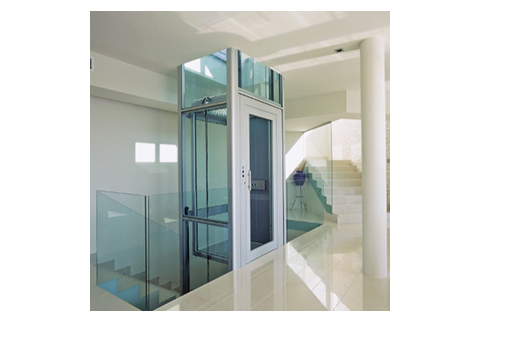
Home mobility devices have become an integral part of modern living, providing safety, convenience, and independence for people of all ages. Whether it’s a stair lift, a platform lift, or a hydraulic lift for home, these devices help navigate multi-level homes effortlessly. But like any mechanical system, regular maintenance is essential to keep them functioning reliably. Neglecting maintenance can lead to safety hazards, costly repairs, and reduced lifespan. This blog shares five essential tips to maintain your mobility device effectively, ensuring it remains safe, smooth, and efficient for years to come.
1. Keep the Tracks and Rails Clean
One of the simplest yet most important steps is keeping the tracks and rails free from dust, dirt, and debris. Accumulated dirt can create friction, causing the device to operate slowly or unevenly. Use a soft, dry cloth to wipe the rails regularly, and avoid using harsh cleaning chemicals that could damage the metal.
For hydraulic elevators installed inside homes, even minor debris can affect the smooth movement of the cabin. Regular cleaning not only prevents operational issues but also helps identify early signs of wear and tear.
2. Inspect Controls and Safety Mechanisms
Daily use means that buttons, remotes, and control panels are constantly handled, which can cause wear over time. Regularly check that all controls respond promptly and correctly.
Safety features like seat belts, motion sensors, emergency stop buttons, and alarms should also be tested routinely. These mechanisms are vital for protecting users, especially elderly or differently-abled family members. If a safety feature appears faulty or unresponsive, contact a professional technician immediately.
3. Lubricate Moving Parts
Mechanical components such as hinges, pulleys, and bearings require proper lubrication to operate smoothly. Use only manufacturer-recommended lubricants, as incorrect products can damage the system or void warranties.
For home devices like hydraulic lifts, lubrication ensures that the hydraulic pistons and related mechanisms move without strain. Applying lubrication at recommended intervals prevents squeaks, jerks, and uneven motion, enhancing both safety and comfort during daily use.
4. Monitor for Unusual Noises and Movements
Being attentive to how your device operates can save you from major repairs. Squeaking, grinding, or jerky movements may indicate a mechanical issue that requires attention.
For elevator inside house systems, any irregularity in motion or sound should be documented and reported during professional maintenance checks. Early detection of minor issues prevents them from escalating into expensive problems or causing unexpected downtime.
5. Schedule Regular Professional Servicing
Even with diligent daily care, professional servicing is indispensable. Certified technicians can conduct thorough inspections of all mechanical, electrical, and hydraulic components. They check the motor, wiring, battery backups, and hydraulic systems for signs of wear or potential failure.
Regular servicing not only ensures safety compliance but also prolongs the lifespan of your device. Most manufacturers recommend a professional check-up every 6 to 12 months, depending on usage frequency.
Conclusion
Maintaining a home mobility device is a combination of daily vigilance, monthly checks, and professional servicing. Whether you are using a hydraulic lift for home, an elevator, or an elevator inside a house, these practices ensure smooth operation, safety, and durability. Regular care minimizes repair costs and allows users to enjoy independence and peace of mind.
For families seeking reliable, expertly installed home lifts that are easy to maintain, solutions from ICARE Lifts provide professional guidance, high-quality devices, and long-lasting performance, making your home safer and more accessible.
