

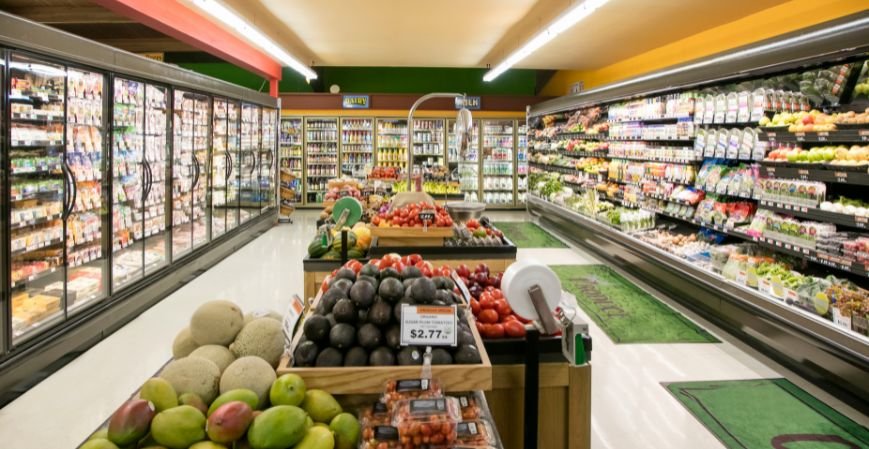
The grocery market is a fundamental sector within the global retail industry, encompassing the sale of food, beverages, personal care, household goods, and other essential items. As one of the largest and most critical industries in the world, it plays a central role in meeting the everyday needs of consumers, making it a highly competitive and dynamic market.
In recent years, the grocery market has undergone significant changes driven by evolving consumer preferences, technological innovations, and a growing focus on sustainability. The rise of e-commerce, particularly in the grocery segment, has made it easier for consumers to access a wide range of products from the comfort of their homes, further contributing to the market’s growth.
This market’s size and diversity continue to make it a vital part of the global economy, and as consumer habits shift, the grocery market is expected to continue its upward trajectory.
Grocery Market Size
As of 2024, the global grocery market is valued at approximately USD 3.87 trillion. The market’s value reflects the immense demand for grocery products across both developed and emerging markets. With an ever-growing global population, changing diets, and increasing urbanization, the grocery sector is seeing a steady increase in sales.
The market is expected to grow at a compound annual growth rate (CAGR) of 4.70% during the forecast period of 2025-2034. By 2034, the grocery market is projected to reach a value of around USD 6.13 trillion. This growth will be driven by factors such as rising disposable incomes, expanding distribution networks, and increasing demand for both convenience-oriented and healthy food products.
The expanding presence of online grocery shopping platforms and the growing consumer focus on organic and sustainable products will play significant roles in the market’s continued expansion.
Grocery Market Trends
The grocery market is shaped by several key trends that reflect changing consumer behavior and technological advancements:
- Online Grocery Shopping: The rise of e-commerce has revolutionized the grocery industry, with consumers increasingly turning to online platforms for their grocery shopping needs. Delivery services, subscription models, and click-and-collect options are gaining popularity, making shopping for groceries more convenient and accessible.
- Health and Wellness: As health-consciousness continues to grow, consumers are increasingly seeking out organic, low-sugar, gluten-free, and plant-based food options. The grocery market has responded with an increased availability of health-focused products that cater to these demands.
- Sustainability: Environmental concerns are pushing consumers to opt for sustainably sourced products. Organic produce, eco-friendly packaging, and products made using sustainable practices are becoming more common. Brands that align with these values are seeing an increase in consumer loyalty and market share.
- Convenience and Ready-to-Eat Foods: With busy lifestyles becoming the norm, there is a growing demand for ready-to-eat meals, snack foods, and convenient, pre-packaged items. Consumers value the convenience of purchasing products that save time without compromising on quality or nutrition.
- Technological Integration: Innovations such as automated checkouts, AI-driven product recommendations, and smart refrigerators are enhancing the grocery shopping experience. These technologies not only improve convenience but also offer personalized shopping experiences and better inventory management for retailers.
Grocery Market Growth
The grocery market is set for continued growth, driven by several factors:
- Increasing Disposable Income: As disposable incomes rise, especially in emerging markets, consumers have more purchasing power, driving demand for a broader range of grocery products. Higher-income consumers are opting for premium, organic, and health-conscious products, contributing to the market’s expansion.
- Urbanization: Rapid urbanization is leading to more concentrated populations in cities, resulting in increased demand for grocery products. Urban consumers tend to have busier lifestyles, which is driving demand for convenient, ready-to-eat meals and products.
- Rise of Convenience Retailing: With the demand for convenience, there has been a rise in smaller, more accessible grocery formats such as convenience stores and express grocery delivery services. These formats are particularly popular in urban areas and are expected to continue growing in response to consumer demand for speed and convenience.
- Innovation in Product Offerings: The continuous introduction of new, innovative products, such as plant-based foods, organic produce, and functional beverages, is driving market growth. Retailers and brands that respond to these consumer trends are more likely to capture market share.
- Expansion of Global Distribution Networks: The increasing availability of grocery products in both developed and emerging markets is further boosting market growth. Major grocery retailers are expanding their operations globally, making grocery items more accessible to consumers worldwide.
Grocery Market Forecast
The grocery market is expected to continue its upward trajectory over the next decade, with a forecasted growth rate of 4.70% CAGR between 2025 and 2034. By 2034, the market is projected to reach a value of approximately USD 6.13 trillion.
This growth will be primarily driven by rising consumer demand for healthier, sustainable, and convenient grocery products. The increasing penetration of online grocery shopping platforms and innovations in retail formats will also contribute significantly to the market’s expansion.
The focus on sustainability, healthier products, and the growing adoption of digital technologies will be key factors influencing the market’s direction over the coming years.
Competitive Analysis
- Nestlé S.A.: Nestlé is one of the world’s largest food and beverage companies and a major player in the grocery market. Known for its vast range of products, including dairy, nutrition, and frozen foods, Nestlé continues to innovate with a focus on health, sustainability, and high-quality offerings. Their extensive global distribution network and focus on meeting changing consumer needs keep them at the forefront of the market.
- The Procter & Gamble Company: Although primarily recognized for household and personal care products, Procter & Gamble (P&G) is also a key player in the grocery market. Their portfolio of packaged food products, particularly in the snacks and beverages category, makes them a strong competitor. P&G’s commitment to sustainability and innovation gives them an edge in the evolving grocery sector.
- Unilever plc: Unilever is a major global brand with a strong presence in the grocery market, offering food, beverages, and personal care products. The company has successfully capitalized on consumer demand for healthier, sustainable options, making it a leading player in the global grocery sector. Unilever continues to invest in new product lines that align with consumer preferences for health-conscious and eco-friendly items.
- The Coca-Cola Company: Coca-Cola, primarily known for its beverages, is also a significant player in the grocery market, with a growing portfolio of snacks and ready-to-eat products. The company has adapted to changing consumer preferences by diversifying its product range and focusing on healthier beverage options, including low-sugar and plant-based alternatives.
- PepsiCo, Inc.: PepsiCo, a major player in the snack and beverage industries, has a robust presence in the grocery market with its wide range of products, including packaged snacks, beverages, and nutritious offerings. PepsiCo’s emphasis on health and sustainability, along with its strong brand recognition, enables it to remain a key competitor in the evolving grocery landscape.
- Others: Other companies, such as Walmart, Carrefour, and Tesco, are significant players in the grocery retail space, providing diverse product offerings and expanding their reach in both physical stores and online platforms. Additionally, smaller regional players continue to capitalize on niche markets, contributing to the competition in the global grocery market.
