

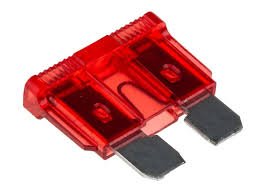
Modern vehicles rely on many different kinds of electrical systems to operate smoothly. From entertainment to safety, these systems have become a crucial part of vehicles. The proper functioning of these electrical systems relies on many components. If any of these components do not function properly, it can lead to system failure.. Manufacturers used advanced techniques and components to protect the electrical systems. An automotive fuse is one such component playing a critical role in safeguarding the electrical systems of modern vehicles. Here is a simple guide to the features and functionalities of automotive fuses.
What Is an Automotive Fuse?
An automotive fuse is a safety device installed in the vehicle’s electrical systems. Its primary function is to protect the vehicle’s electrical system from short circuits, overloads, and faults. When the current moves beyond the threshold, the automotive fuse instantly stops the circuit. It helps in protecting the wire and other electrical components from damage. These fuses are usually rated for circuits no higher than 32 volts direct current; however, some of these are rated for 42-volt electrical systems.
Common Types of Automotive Fuses
Automotive fuses are available in many different styles, shapes, and sizes to suit different vehicle designs. From cartridge fuses and blade fuses to high-voltage fuses, each type of automotive fuse is designed to serve a specific component. Let’s check out common types of automotive fuses used in industrial applications
Blade Fuses: These fuses are flat and made of plastic, and they have two prongs. They are commonly used in modern cars due to their ease of installation and capability to handle a wide range of amperage ratings. You can group them by size, like mini, standard, and maxi. These sizes help you figure out how much current they can handle and pick the right blade fuse to suit your needs
Glass Tube Fuses: These are classic cylindrical fuses made using glass bodies to ensure transparency and visibility. Their transparent casing makes it easy to recognise them. They are less common in ultramodern vehicles; however, they are still used in old vehicles and heritage automotive electronics.
Bolt-Down Fuses: These are heavy-duty fuses installed squinched into the substation. They are considered ideal for high-current operations where vibration resistance is critical. Mini and Micro Fuses: These are compact versions of blade fuses, designed for modern vehicles with limited space.
High-Voltage Fuses – These high-speed fuses are installed in electric vehicles. They are typically capable of handling high voltages( up to 1000VDC) and rapid-fire fault-clearing to ensure safety. These fuses are designed as per strict automotive and IEC norms. They are used in battery packs, power inverters, on-board dishes, and EV traction systems. Each fuse has an amperage rating, and if you replace a blown fuse with one that doesn’t match, it could either keep failing or not protect you enough.
The Importance of the Automotive Fuse Holder
While the fuse itself provides the protection, the automotive fuse holder plays a critical role in ensuring that protection is delivered safely and conveniently. They keep circuits safe by holding the fuses. As cars get more advanced, fuse holders are becoming more important. They are now used to make sure that different applications are safe and reliable. They are an important part of modern car designs, from regular wire to cutting-edge electric vehicles. There are now many different types of automotive fuse holders on the market to meet the growing need for cars.
Common Indications of a Blown Fuse in Your Vehicle
Here are common indications of a blown fuse
- Electrical Components Fail: A bad PCM is a common sign of a blown fuse. It means electrical components may stop working, such as radios, lights, power windows, etc
- Dash Indicator Lights: Some vehicles may show a dash indicator light to indicate that you must examine your fuses next time a fuse blows.
- Strange Smells: If you feel strange smells that are burning, and the smell is near where the fuse box is installed, it indicates a fault in the fuse
- Physical Inspection: If you suspect the automotive fuse is blown, you can undertake a physical examination at its location. There is equipment through which you can peek when broken into two, with metal strips being torn up in it
- Intermittent Issues: When an electronic component is working occasionally, it may indicate contact between contacts and terminals or part damage resulting from partial breakdown.
Tips for extending the longevity of automotive fuses
It is very important to follow some rules for maintaining automotive fuses to make sure that the electrical systems in our cars work safely and reliably.
- Check the fuses and fuse boxes on a regular basis for signs of wear, corrosion, or damage. If any components are broken or damaged, be sure to repair or replace them.
- When you change a fuse, make sure you choose the right type and rating. It is very important to make sure that the electrical system works safely.
- If you don’t know which part to buy, check your car’s repair manual or ask a mechanic for help. It’s best to talk to a professional mechanic or auto electrician if you’re not sure what’s wrong with the fuses or how to maintain or replace them.
- Picking the right automotive fuse is important for keeping your car’s electrical system safe, reliable, and long-lasting.
Gefuse – Your Reliable Platform for High Quality Electronic Components Gefuse is your one-stop shop to buy high-quality and branded electronic fuses and other accessories. Our products are available in various specifications in order to meet the varied demand. Browse our dynamic range of fuses in our Electronic Components category, designed to safeguard your circuits with precision.
