

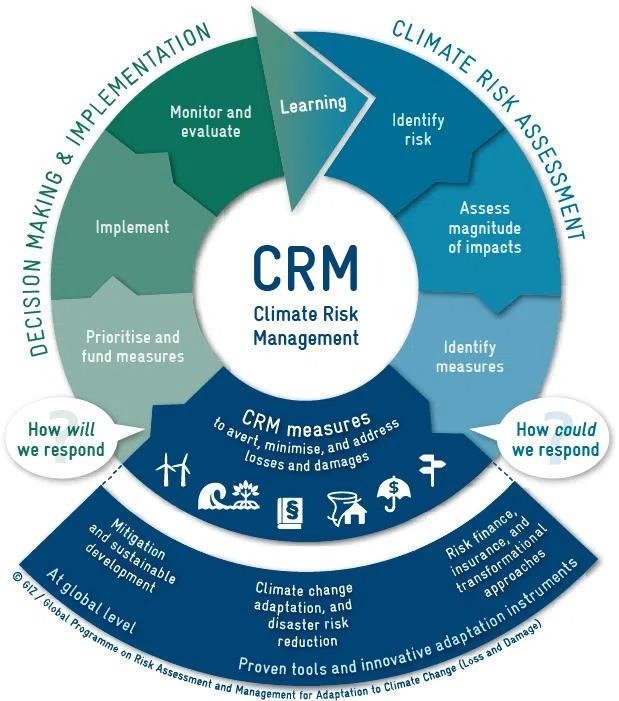
In an era where environmental concerns and climate change are reshaping industries, governments, and communities, organizations across the globe are recognizing the importance of integrating comprehensive climate strategies into their operational and strategic frameworks. Effective management of environmental impacts, coupled with sustainable development initiatives, is no longer optional, it is a necessity for long-term resilience, regulatory compliance, and stakeholder trust. Central to this evolution are initiatives that focus on climate risk management and the implementation of global climate solutions that help organizations anticipate, mitigate, and adapt to the challenges of a changing climate.
The Importance of Climate Risk Management
Climate change introduces multiple types of risks for organizations, including operational, financial, regulatory, and reputational risks. Rising temperatures, extreme weather events, water scarcity, and shifting regulatory landscapes pose significant challenges to industries worldwide. Proactive climate risk management enables companies to identify potential vulnerabilities, evaluate their exposure to environmental hazards, and implement strategies that minimize negative impacts.
By embedding climate risk assessment into corporate governance, organizations can make informed decisions that balance operational efficiency with environmental responsibility. This approach not only protects assets and ensures business continuity but also strengthens relationships with investors, customers, regulators, and communities.
Effective climate risk management involves several key components:
- Risk Identification: Understanding potential climate-related threats, such as flooding, drought, supply chain disruptions, and extreme weather events.
- Impact Assessment: Evaluating the potential operational, financial, and social impacts of climate risks on the organization.
- Mitigation Planning: Implementing measures to reduce or eliminate the negative effects of climate risks.
- Monitoring and Reporting: Continuously tracking climate risk exposure and effectiveness of mitigation strategies.
- Regulatory Compliance: Ensuring alignment with local, national, and international climate regulations and reporting standards.
By systematically addressing these elements, organizations can enhance resilience, reduce liabilities, and contribute positively to global environmental goals.
Global Climate Solutions: Shaping a Sustainable Future
Alongside climate risk management, global climate solutions are essential for organizations seeking to reduce their environmental footprint and support global sustainability targets. These solutions encompass a broad range of strategies, technologies, and frameworks aimed at tackling climate change while promoting energy efficiency, resource optimization, and environmental stewardship.
Global climate solutions include:
- Renewable Energy Integration: Shifting to solar, wind, and other renewable energy sources to reduce reliance on fossil fuels.
- Carbon Emission Reduction Initiatives: Implementing measures to lower greenhouse gas emissions through energy-efficient technologies, low-carbon transportation, and process optimization.
- Sustainable Resource Management: Efficiently using water, energy, and raw materials to minimize environmental impact.
- Climate-Adaptive Infrastructure: Designing buildings, supply chains, and operations that can withstand climate variability and extreme weather events.
- Green Finance and Investment: Encouraging sustainable investment practices and financing mechanisms that support environmentally responsible projects.
- Global Reporting and Verification: Adopting international frameworks for monitoring, reporting, and verifying environmental performance and carbon reduction targets.
These global climate solutions not only help organizations meet regulatory requirements but also enhance corporate reputation, improve operational efficiency, and contribute to broader societal and environmental objectives.
Integrating Climate Risk Management and Global Climate Solutions
For organizations to achieve meaningful impact, climate risk management and global climate solutions must be integrated into the overall business strategy. This integration allows companies to address immediate risks while positioning themselves for long-term sustainability.
A comprehensive approach includes:
- Strategic Planning: Aligning climate initiatives with business objectives to ensure that environmental responsibility supports corporate growth and competitiveness.
- Cross-Functional Collaboration: Engaging multiple departments, from operations and procurement to finance and compliance, to implement cohesive climate strategies.
- Technology and Innovation: Leveraging emerging technologies such as IoT, AI, and data analytics to monitor environmental performance, predict climate risks, and optimize resource utilization.
- Stakeholder Engagement: Collaborating with governments, NGOs, communities, and industry partners to scale solutions and share best practices.
- Performance Measurement: Establishing clear metrics and reporting frameworks to evaluate the effectiveness of climate initiatives and communicate progress transparently.
By combining risk management and global solutions, organizations can reduce vulnerability to climate-related disruptions, enhance sustainability outcomes, and create measurable social and environmental value.
Case Studies in Global Implementation
Across industries, organizations have demonstrated the transformative impact of integrating climate risk management and global climate solutions:
- Manufacturing: Companies have adopted energy-efficient production processes, optimized supply chains, and invested in renewable energy to reduce emissions and operational costs.
- Energy Sector: Utility providers are incorporating smart grids, renewable energy integration, and carbon capture technologies to balance demand with sustainability objectives.
- Construction and Infrastructure: Climate-resilient building designs and green construction materials are being implemented to withstand extreme weather and reduce environmental impact.
- Agriculture and Food Production: Sustainable farming practices, precision agriculture, and water conservation techniques are improving productivity while safeguarding natural resources.
- Financial Services: Investment firms are increasingly prioritizing green finance, funding climate-positive projects, and assessing environmental risks as part of portfolio management.
These examples demonstrate that a strategic approach to climate challenges not only mitigates risk but also drives innovation, competitiveness, and long-term resilience.
The Role of Organizations in Driving Global Impact
In today’s global economy, businesses have an unprecedented opportunity to influence climate outcomes. By embedding climate risk management and global climate solutions into corporate policies, companies can:
- Contribute to global climate targets and carbon neutrality goals.
- Strengthen organizational resilience and operational continuity.
- Enhance credibility with regulators, investors, and customers.
- Support social responsibility and community well-being initiatives.
This proactive approach reflects a commitment to sustainability and positions organizations as leaders in environmental stewardship.
Summary
In today’s rapidly changing world, businesses face increasing challenges from climate change, environmental pressures, and evolving regulations. Effective climate risk management helps organizations spot potential threats early, understand their impact, and take proactive steps to reduce risks. By planning ahead and embracing sustainable practices, companies can protect their operations, stay resilient, and earn the trust of customers, partners, and communities.
At the same time, global climate solutions provide practical ways for organizations to reduce their environmental footprint and operate responsibly. From using renewable energy and managing resources efficiently to adapting operations for a changing climate and reporting transparently, these solutions help businesses make a real, measurable difference. Together, climate risk management and global solutions allow organizations to grow responsibly while contributing positively to the plane
KBS Certification Services Limited has established itself as a trusted global leader in validation, verification, auditing, inspection, and assurance services across quality, safety, environmental, and climate domains. They enable organizations to implement robust frameworks for climate integrity and sustainability.Through its comprehensive global solutions, they support businesses in addressing climate challenges effectively, ensuring transparent reporting, and achieving long-term environmental responsibility.
