

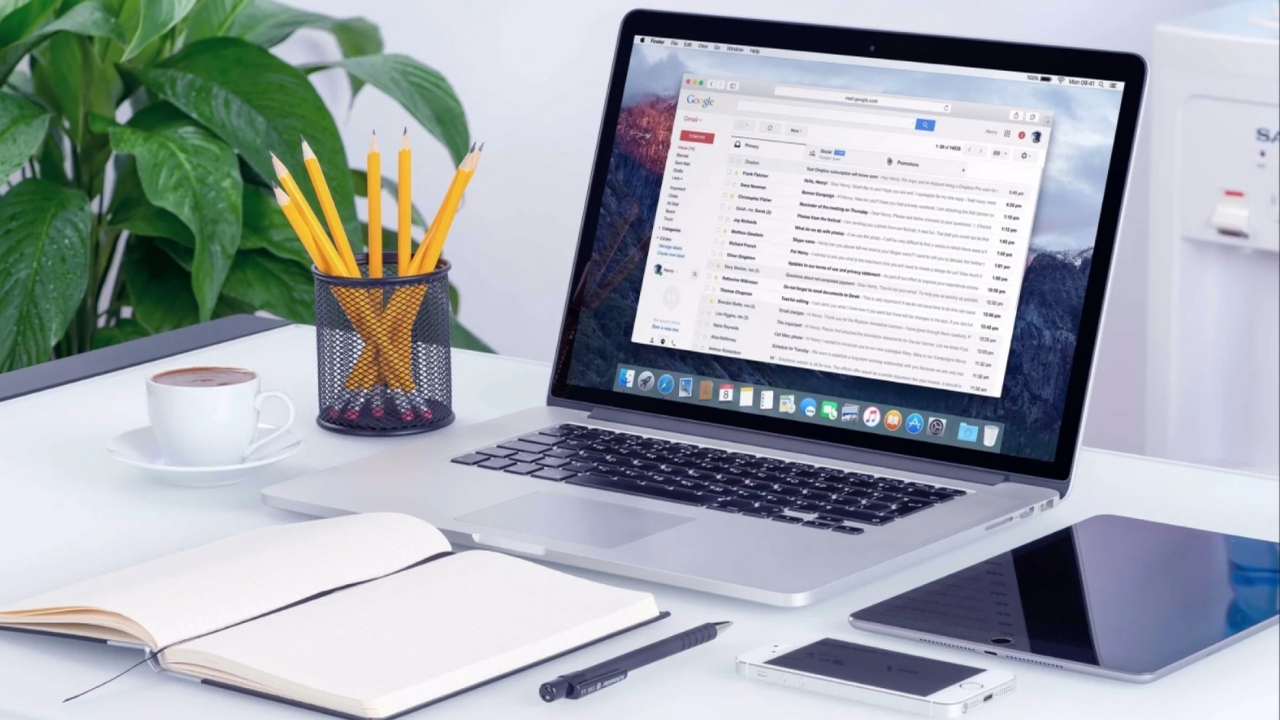
Modern work looks very different from the past. Teams move between the office, home, client sites, and events.
These days, calls and meetings happen online. For many companies, the desktop can no longer keep up. A laptop is often the best laptop computer for a business that wants to stay fast and flexible.
When a company understands the reasons this article will show you, it can build a stronger device strategy. It can also make smarter spending choices and help staff do better work every day.
This article examines six compelling reasons why a laptop is the ideal computer choice for most business teams. Each point links to real daily needs.
1. Laptops Give Business Teams Real Mobility
Work rarely happens only at a desk. A lot of different roles, like the sales teams’ travel, leaders visit clients, and field staff move between sites. The best laptop computer supports this mobile way of working. Staff can carry one light device and still use full business apps, shared drives, and video tools. Moreover, mobility does more than save time. It also improves service. For B2B organizations, this mobility turns into real value. Deals close faster. Response times drop. Teams work closer to customers. That helps the whole company stay ahead of slower rivals.
2. Easier Device Management for IT Teams
For many IT teams, a standard laptop fleet makes daily work simpler. Key benefits include:
- One master image for all devices, which speeds up setup and replacement
- Remote management of updates, software installs and security rules over the internet
- Less need for staff to visit the office for support or repairs
- A single set of accessories, such as docks and chargers, that work across models
The best laptop computer also fits well with modern device management platforms. Policies can apply by group, region, or role. This keeps control tight while still giving staff the tools they need.
3. Lower Total Cost of Ownership Over Time
Many leaders still think a desktop is cheaper. The sticker price can be lower. Yet the full picture looks different. When a company counts setup time, energy use, support, extra hardware, and lost work, the laptop often wins.
Laptops use less power than large desktop systems. That cuts monthly energy bills. A laptop also replaces several other devices. With the best laptop computer, staff do not need a separate office PC and a travel device. One machine covers both needs.
Fewer devices mean fewer licences and support tickets. Staff waste less time waiting for slow hardware or desk moves. Over three to five years, this can cut the total cost of ownership in a very clear way.
4. Strong Support for Hybrid and Remote Work
Hybrid work is now a standard model in many industries. Staff split time between home and office. Some roles are now fully remote. A desktop does not fit this shift. A laptop does.
Key ways a best laptop computer supports hybrid and remote work include:
- Simple connection to office networks, home Wi Fi and mobile hotspots
- Built-in webcam and microphone for online meetings and training
- Easy pairing with headsets and speakers for clear calls
- Fast access to cloud tools and files from almost any location
For the business, this means more flexible hiring. Teams can bring in talent from new regions. New staff can join projects from day one with a shipped laptop. They log in, sync their tools, and start to deliver value.
5. Better Security Features in a Compact Device
Security is a top concern for every company. Laptops now come with strong tools that protect data on the move. Full disk encryption keeps files safe if a device is lost. Secure boot helps stop harmful software from running. Many models offer fingerprint readers or facial sign-in.
When a business standardizes on a best laptop computer, IT can turn these features into clear rules. Every device follows the same policy. This is easier to manage than a mix of old desktops and random personal machines.
Some laptops also support hardware-based security chips. These help protect keys and certificates. That adds another layer of defence for sensitive data and cloud access.
Conclusion
For most modern businesses, the laptop has become the core work tool. It brings together flexibility, mobility and power in one device. Staff can move between the office, home, and client sites without losing access to key systems. IT teams enjoy simpler management and stronger security. Finance leaders see clear savings over the full life of the device.
When a company plans its next hardware refresh, it should look at the long-term impact of that choice. A standard fleet built around the best laptop computer will support growth, attract talent, and keep data safe. It will also help teams work closer to customers and move faster than the market. In a competitive world, that is a real edge.
