

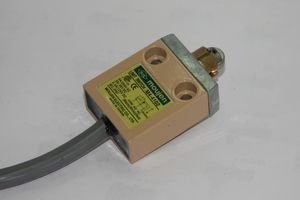
Choosing reliable components for equipment installation always shapes long term performance, and sealed switches play a major role in that reliability. A sealed heavy duty switch offers rugged construction, strong environmental resistance, and dependable actuation, which many users might need more often than they realize. This guide walks through the groups of users who benefit the most from sealed designs and why these switches support stable operation in demanding conditions. The goal is to keep the conversation practical, relatable, and focused on real world usage without any unnecessary complexity.
Understanding Why Sealed Switches Matter
A sealed heavy duty switch is engineered to handle settings that expose equipment to dust, moisture, oil, vibration or debris. When external particles threaten internal components, sealed housing protects the mechanism and preserves performance. This matters for anyone dealing with continuous operations, unpredictable outdoor conditions or environments where downtime disrupts essential workflows.
The small differences in construction end up creating a big difference in durability, especially for users who rely on consistent output.
Professionals Working in Outdoor Environments
Anyone responsible for equipment installed outdoors usually needs stable components that survive weather fluctuations. A sealed heavy duty switch resists rain, humidity and airborne particles that often interfere with exposed machinery. Outdoor work rarely pauses for environmental changes, which means equipment must stay steady through heat, cold and sudden temperature shifts.
Professionals in agriculture, security systems, traffic management and energy infrastructure tend to depend on components that hold their ground without frequent maintenance. Sealed switches offer that peace of mind and support longer operational cycles.
Equipment Designers Managing High Contamination Risks
Designers who build machinery for high contamination areas such as food processing, chemical handling or metal fabrication often gravitate toward sealed components. A sealed heavy duty switch supports compliance needs by reducing the chance of contamination buildup. It also stays functional despite exposure to cleaning agents, airborne chemicals or fine metal particulates.
When designers want to reduce servicing requirements, increase operator safety and extend product lifespans, sealed switches usually align well with those goals. The added protection supports stable interactions between operators and equipment, which boosts user confidence.
Manufacturers Prioritizing Long Operational Hours
Manufacturing floors operate for long hours, sometimes around the clock. Interruptions during peak activity often cost time and money. Users in this space usually demand a heavy duty switch capable of handling continuous cycles without dropping performance. Sealed versions maintain mechanical integrity even when exposed to oils or lubrication fluids common in factories.
Teams looking to minimize downtime may find sealed switches extremely helpful for controlling repetitive tasks, safety mechanisms, conveyors, cutters or automated tools. When equipment runs nonstop, reliability becomes non negotiable, making sealed switches the practical choice.
Technicians Responsible for Harsh Industrial Installations
Many technicians work with machinery placed in mines, construction sites or mechanical rooms filled with dust or debris. These environments challenge even durable components. A sealed heavy duty switch maintains performance despite constant contact with sediment or airborne dirt.
When technicians rely on switches for critical activation points, they often prefer sealed options that stay accurate and responsive even in stressful conditions. Predictable behavior improves safety and simplifies maintenance scheduling.
Engineers Developing Equipment for Vibration Heavy Settings
Vibration often loosens components or alters internal mechanisms over time. Engineers designing for transportation equipment, heavy vehicles or industrial machines dealing with constant motion may rely on a sealed heavy duty switch to reduce vibration impact. The sealed housing keeps internal parts aligned and operational through persistent movement.
When reliability under vibration matters, sealed switches usually offer better longevity and consistent actuation. They keep controls precise and dependable even when machinery shakes, shudders or shifts through long operation cycles.
DIY Enthusiasts and Technical Hobbyists Wanting Durable Builds
Many hobbyists and builders enjoy creating mechanical or electronic projects that operate outdoors, withstand rough handling or involve exposure to moisture or dust. Using a sealed heavy duty switch helps hobbyists produce equipment that lasts longer without frequent repair.
For users exploring robotics, custom machinery, outdoor devices or mobile projects, sealed switches offer stability, safety and confidence. These builders often prefer components that stay functional even when exposed to unpredictable environments.
Installers Working in Remote or Hard to Reach Locations
Certain equipment is installed in spaces that technicians seldom access, such as rooftops, tunnels, utility poles or enclosed compartments. When access is limited, maintenance becomes more complicated. Using a sealed heavy duty switch supports long term dependability and reduces the need for return visits.
Installers often choose sealed switches for these jobs because they offer both reliability and predictable performance with minimal servicing. When equipment is difficult to reach, choosing durable components becomes essential.
Why Sealed Switches Make Sense for Critical Applications
Critical systems require components that respond accurately every time. A sealed heavy duty switch supports machinery used in emergency signaling, security equipment, industrial safety controls or high risk mechanical operations. Any delay or malfunction in these systems may have severe consequences.
Because sealed switches block dust, moisture and oil, they offer a level of assurance that many critical applications require. They maintain responsiveness and help reduce the chance of mechanical failure during peak performance moments.
Conclusion
Choosing a sealed heavy duty switch often depends on the environment, workload and reliability requirements surrounding the application. Users in manufacturing, outdoor systems, contaminated workspaces, high vibration machinery, remote installations and critical operations usually benefit the most from sealed construction.
These switches enhance stability, streamline maintenance and support long lasting equipment performance. Sealed units offer a blend of protection and strength that suits a wide range of technical and industrial needs. When users compare options, many evaluate premium sealed switches or alternatives such as the Honeywell limit switch, which also supports durability and precision within demanding setups.
