

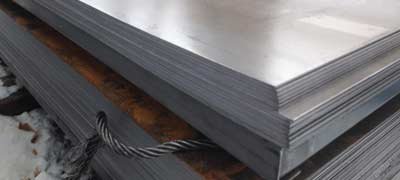
In industries where strength, durability, and precision are critical, Aluminium Alloy 2014 Sheet stands out as a reliable and high-performance material. Known for its excellent mechanical properties and superior strength, this alloy is widely used in aerospace, automotive, and heavy engineering sectors. As part of the 2000 series aluminum alloys, Aluminium Alloy 2014 is primarily alloyed with copper, which significantly enhances its strength and load-bearing capacity.
Although it may not offer the same level of corrosion resistance as some other aluminum grades, its exceptional structural performance makes it a preferred choice for applications that demand high mechanical reliability.
What is Aluminium Alloy 2014?
Aluminium Alloy 2014 belongs to the 2000 series of aluminum alloys, where copper is the principal alloying element. It is a heat-treatable alloy that offers high strength after proper heat treatment processes such as solution heat treatment and aging.
This alloy is commonly supplied in tempers like T6 and T651, which enhance its tensile strength and hardness. Because of its strength-to-weight ratio, Aluminium Alloy 2014 Sheet is frequently selected for applications where reducing weight without compromising strength is essential.
Chemical Composition
The primary elements found in Aluminium Alloy 2014 Sheet include:
- Copper (Cu)
- Manganese (Mn)
- Magnesium (Mg)
- Silicon (Si)
- Aluminum (Balance)
The high copper content is responsible for its superior strength and excellent machining characteristics. However, copper also reduces corrosion resistance compared to 5000 or 6000 series alloys.
Key Properties of Aluminium Alloy 2014 Sheet
1. High Mechanical Strength
Aluminium Alloy 2014 Sheet offers excellent tensile and yield strength, making it suitable for structural components exposed to heavy loads.
2. Excellent Machinability
This alloy machines exceptionally well, which makes it ideal for precision-engineered parts and complex components.
3. Heat Treatable
Its mechanical properties can be significantly improved through heat treatment, increasing its hardness and durability.
4. Good Fatigue Resistance
The alloy performs well under repeated stress conditions, which is crucial for aerospace and automotive components.
5. Moderate Corrosion Resistance
While not highly corrosion-resistant, protective coatings, anodizing, or cladding can enhance its durability in harsh environments.
Applications of Aluminium Alloy 2014 Sheet
Due to its high strength and reliability, Aluminium Alloy 2014 Sheet is widely used in various demanding industries:
Aerospace Industry
It is commonly used in aircraft structures, wing components, fuselage parts, and aerospace fittings where strength and weight reduction are critical.
Automotive Sector
Heavy-duty vehicle components, truck frames, and performance parts benefit from its strength and machinability.
Military and Defense
The alloy is used in defense equipment and structural components that require durability and reliability.
Industrial Machinery
High-stress machine parts, structural frames, and heavy-duty engineering components are frequently manufactured using this alloy.
Fasteners and Structural Components
Its strength makes it suitable for high-performance fasteners and load-bearing structures.
Advantages of Aluminium Alloy 2014 Sheet
- Exceptional strength-to-weight ratio
- Excellent machinability for precision applications
- High fatigue resistance
- Heat treatable for enhanced performance
- Suitable for heavy-duty engineering projects
These advantages make Aluminium Alloy 2014 Sheet an ideal solution for industries that demand performance and reliability.
Limitations to Consider
While Aluminium Alloy 2014 Sheet offers numerous benefits, there are certain limitations:
- Lower corrosion resistance compared to 6000 series alloys
- Reduced weldability
- May require surface treatment for outdoor or marine applications
Proper surface finishing and protective coatings can significantly improve its resistance to environmental factors.
Comparison with Other Aluminum Alloys
Compared to 6082 alloy, Aluminium Alloy 2014 Sheet provides higher strength but less corrosion resistance. When compared to 7075 alloy, 2014 offers good machinability but slightly lower strength in certain tempers.
Each alloy serves different purposes, and the selection depends on the specific application requirements, environmental exposure, and structural demands.
Fabrication and Processing
Aluminium Alloy 2014 Sheet can be:
- Machined using conventional methods
- Heat treated to enhance mechanical properties
- Formed under controlled conditions
- Surface treated for improved corrosion resistance
However, welding is generally not recommended due to the alloy’s copper content. Mechanical fastening methods are often preferred.
Why Choose Aluminium Alloy 2014 Sheet?
If your project demands high structural strength, fatigue resistance, and reliable mechanical performance, Aluminium Alloy 2014 Sheet is an excellent choice. It is especially beneficial in aerospace and heavy engineering industries where safety and performance standards are strict.
Its ability to withstand heavy loads while maintaining a relatively lightweight structure makes it a cost-effective and efficient material solution.
Conclusion
Aluminium Alloy 2014 Sheet is a premium high-strength aluminum alloy designed for demanding engineering applications. With excellent mechanical properties, superior machinability, and heat-treatable characteristics, it plays a crucial role in aerospace, automotive, and industrial sectors.
Although it requires surface protection in corrosive environments, its unmatched strength and durability make it a dependable choice for load-bearing and structural components. For industries that prioritize performance, reliability, and precision, Aluminium Alloy 2014 Sheet remains a trusted and high-performing material solution.
