

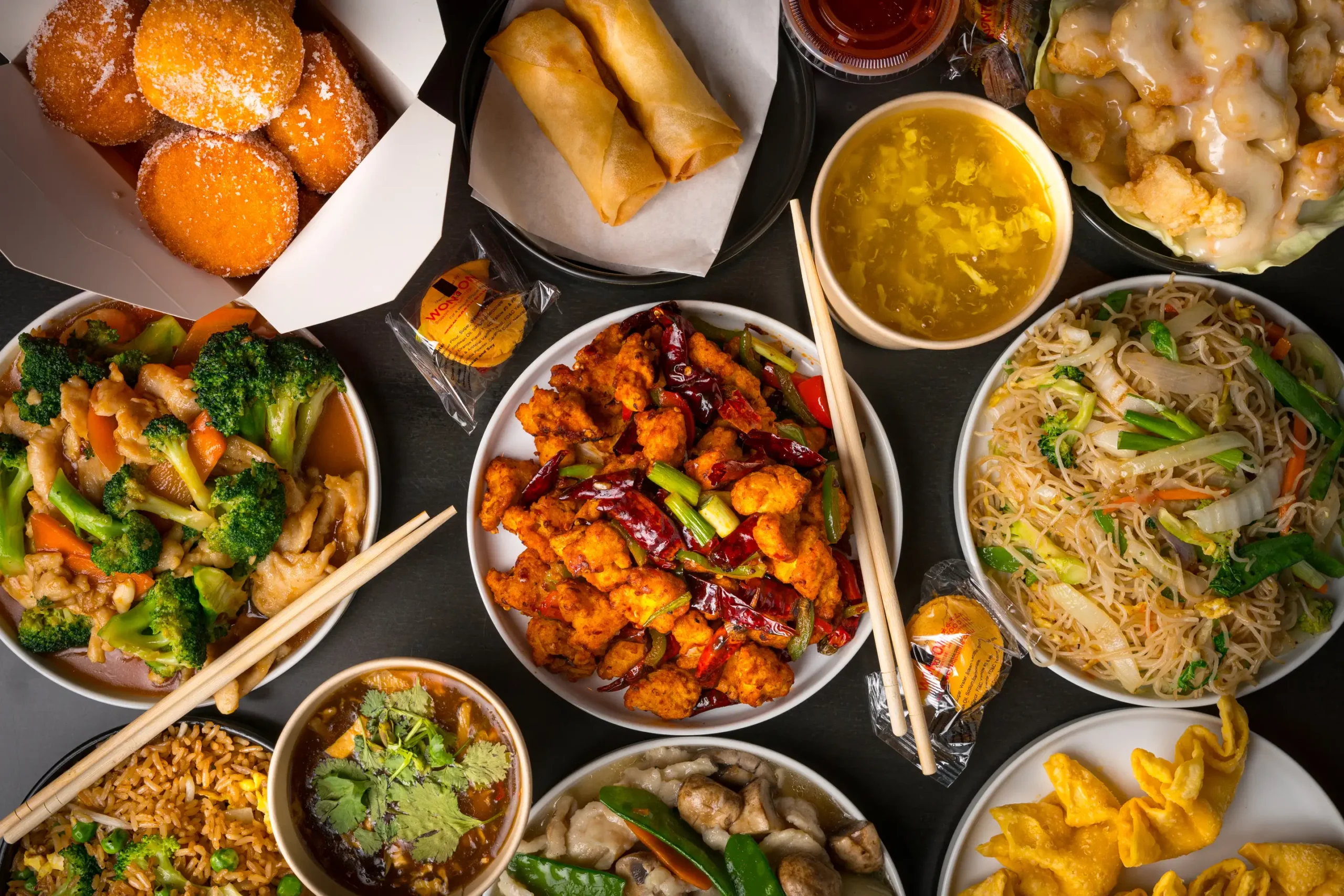
Visiting an Asian restaurant for the first time is more than just trying new flavors — it’s stepping into a rich cultural experience shaped by centuries of tradition. Across Asia, dining is not only about food; it’s about respect, harmony, family, and shared connection.
Whether you’re planning your first visit to an authentic Asian restaurant or preparing to dine at STIX ASIA, understanding proper etiquette will help you feel confident, respectful, and culturally aware. Here’s your comprehensive guide to Asian dining etiquette before your first visit.
1. Respect Begins Before the Meal
In many Asian cultures, dining is considered a social ritual. How you enter, greet others, and sit at the table matters.
In countries like Japan and Korea, polite greetings and slight bows are common signs of respect. In China and Vietnam, acknowledging elders first is customary. If you’re dining in a group setting, wait for the host or eldest person to begin before you start eating.
At STIX ASIA, this tradition of respect carries into the overall dining atmosphere — where hospitality and mindfulness enhance the entire experience.
2. Understanding Chopstick Etiquette
Chopsticks are central to many Asian cuisines, but using them improperly can unintentionally signal disrespect.
Here are key chopstick rules to remember:
Don’t Stick Chopsticks Upright in Rice
Placing chopsticks vertically in a bowl of rice resembles incense offerings at funerals in many East Asian cultures, especially in China and Japan. It’s considered highly inappropriate.
Don’t Point or Wave Them
Using chopsticks to gesture or point at someone is seen as rude.
Don’t Pass Food Chopstick-to-Chopstick
In Japanese culture, this mirrors a funeral ritual where bones are passed between family members. Avoid doing this.
Do Rest Them Properly
Place chopsticks neatly on a chopstick rest or across your bowl when not in use.
If you’re unsure, observe others or follow your host’s lead. Restaurants like STIX ASIA often provide a comfortable environment for newcomers to learn and enjoy the experience naturally.
3. Sharing Is Caring: Communal Dining Traditions
Many Asian cultures emphasize shared meals rather than individual plates. In Chinese, Korean, and Thai dining traditions, dishes are placed in the center for everyone to share.
For example, in Chinese cuisine, dishes like Peking Duck are traditionally shared among the table. The idea is to promote unity and togetherness.
Tips for Communal Dining:
- Use serving utensils if provided.
- Take moderate portions so everyone can enjoy.
- Avoid digging through dishes to pick specific pieces.
At STIX ASIA, sharing plates reflect this authentic Asian tradition — turning meals into moments of connection.
4. The Role of Elders and Hosts
Respect for elders is deeply embedded in many Asian societies.
- Let elders sit first.
- Serve tea or pour drinks for others before yourself.
- Wait for the host to signal the start of the meal.
In countries like Korea, younger diners often turn slightly away when drinking alcohol in the presence of elders as a sign of humility.
Even in modern Asian dining spaces, these gestures of respect remain meaningful and appreciated.
5. Slurping: Rude or Respectful?
In Western dining culture, slurping is often discouraged. However, in Japan, slurping noodles such as Ramen is completely acceptable — and even encouraged.
Slurping indicates:
- You’re enjoying the meal.
- The noodles are hot and fresh.
- You appreciate the chef’s effort.
However, this doesn’t apply everywhere. In more formal settings or different Asian regions, moderate and polite eating is preferred. When dining at STIX ASIA, feel comfortable enjoying your noodles naturally — but always be mindful of the environment.
6. Rice Bowl Etiquette
Rice is sacred in many Asian cultures, symbolizing prosperity and life.
Here’s what you should know:
- In Japan, it’s acceptable to lift your rice bowl close to your mouth.
- In Korea, bowls typically stay on the table while eating.
- Don’t waste rice — finishing your bowl shows gratitude.
Avoid playing with food or leaving rice scattered around your plate.
7. Tea Culture and Pouring Etiquette
Tea plays a vital role in Asian dining.
In Chinese restaurants, tea is often served automatically. If someone pours tea for you, a common gesture of thanks is gently tapping two fingers on the table.
When pouring tea:
- Serve elders first.
- Don’t fill cups to the brim.
- Refill others before refilling your own.
This small act reflects consideration and attentiveness — qualities deeply valued in Asian hospitality.
8. Chopsticks vs. Forks: What If You’re Not Skilled?
If you’re not confident using chopsticks, don’t panic. Many modern Asian restaurants, including STIX ASIA, offer forks upon request.
It’s perfectly acceptable to ask politely. Making an effort to try chopsticks, however, is often appreciated.
9. Finishing Your Plate: Is It Expected?
Dining etiquette regarding leftovers varies:
- In China, finishing everything may imply the host didn’t provide enough food.
- In Japan, finishing your meal shows appreciation.
- In Southeast Asia, balance is key — don’t overfill your plate.
Understanding these nuances helps avoid misunderstandings.
10. Tipping Practices
Tipping culture differs across Asia:
- In Japan, tipping is generally not practiced and may even be refused.
- In China, tipping is not traditional but is becoming more common in tourist areas.
- In many Western countries serving Asian cuisine, tipping follows local customs.
At STIX ASIA, tipping practices typically align with the country’s standard dining expectations.
11. Table Manners Across Regions
Asia is incredibly diverse, and etiquette varies by country.
Japan
- Say “Itadakimasu” before eating (a phrase of gratitude).
- Avoid loud conversation in formal settings.
China
- Expect lively, communal meals.
- Toasting with drinks is common during celebrations.
Korea
- Wait for elders to lift their utensils first
- Metal chopsticks are commonly used.
Thailand
- Fork and spoon are more common than chopsticks (except for noodle dishes like Pad Thai).
- The fork pushes food onto the spoon — it rarely goes directly into the mouth.
Knowing these differences enhances your cultural appreciation.
12. Respecting the Chef and the Food
In many Asian cultures, food preparation is considered an art form. Chefs dedicate years to mastering their craft.
Dishes like Sushi require precision and deep knowledge. Showing appreciation — verbally or through body language — honors that dedication.
Avoid drowning dishes in excessive sauce before tasting them as prepared. Try the dish first to respect the chef’s intended flavor profile.
At STIX ASIA, culinary craftsmanship is central to every dish, blending authenticity with contemporary presentation.
13. Phone Etiquette at the Table
While snapping photos is common today, constant phone use can disrupt the shared experience.
In traditional Asian dining:
- Focus on conversation.
- Avoid loud phone calls at the table.
- Engage with the group.
Dining is meant to strengthen relationships — not distract from them.
14. The Core Value: Harmony and Respect
Above all, Asian dining etiquette centers around harmony, gratitude, and respect — for elders, hosts, chefs, and fellow diners.
You don’t need to master every rule perfectly. What matters most is your intention to be respectful and open to cultural learning.
When you visit STIX ASIA for the first time, approach the experience with curiosity and appreciation. Observe, engage, and enjoy the depth of flavors and traditions that make Asian cuisine so extraordinary.
Final Thoughts
Asian dining is more than just eating — it’s participating in a cultural tradition shaped by history and community. By understanding these etiquette principles, you’ll not only avoid common mistakes but also deepen your appreciation for the experience.
From chopstick manners to tea rituals, every gesture contributes to a meaningful meal. So the next time you step into STIX ASIA, you’ll do so with confidence, cultural awareness, and a genuine respect for the traditions that make Asian dining truly special.
