

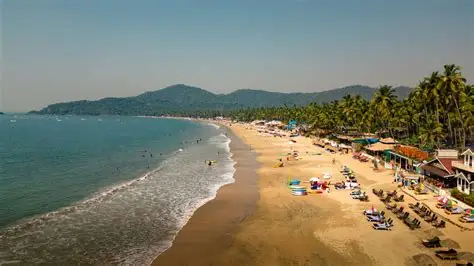
India is blessed with a vast coastline stretching over 7,500 kilometers, offering diverse landscapes, cultures, and experiences. Beach Tourism in India has become one of the most popular segments of the travel industry, attracting both domestic and international travelers. From the golden sands of Goa to the pristine shores of the Andaman Islands, India’s beaches are not just about relaxation—they are gateways to adventure, spirituality, and cultural discovery.
This article explores the significance of beach tourism in India, its history, famous destinations, activities, challenges, and future prospects.
The Rise of Beach Tourism in India
Beach tourism has grown rapidly in India due to several factors:
- Global appeal: Beaches are universally loved for leisure and recreation.
- Accessibility: Improved infrastructure and connectivity make coastal destinations easier to reach.
- Variety of experiences: India offers everything from party beaches to secluded retreats.
- Cultural richness: Coastal regions blend natural beauty with traditions, festivals, and cuisine.
Importance of Beach Tourism in India
- Economic Contribution
- Generates revenue through hospitality, transport, and local businesses.
- Provides employment opportunities for coastal communities.
- Cultural Exchange
- Beaches attract international tourists, fostering cultural interaction.
- Coastal festivals and traditions gain global recognition.
- Adventure & Recreation
- Activities like surfing, scuba diving, and parasailing boost tourism appeal.
- Environmental Awareness
- Promotes conservation of marine ecosystems and sustainable tourism practices.
Famous Beach Tourism Destinations in India
Goa
- Known as the “Beach Capital of India.”
- Popular beaches: Baga, Calangute, Anjuna, Palolem.
- Famous for nightlife, water sports, and Portuguese heritage.
Kerala
- Kovalam and Varkala beaches are renowned for Ayurveda and wellness tourism.
- Offers serene backwaters and cultural experiences.
Maharashtra
- Alibaug and Ganpatipule are popular weekend getaways.
- Juhu Beach in Mumbai is a cultural hotspot.
Tamil Nadu
- Marina Beach in Chennai is one of the longest urban beaches in the world.
- Mahabalipuram combines beach tourism with heritage monuments.
Andhra Pradesh
- Rushikonda and Yarada beaches near Visakhapatnam are scenic and less crowded.
Odisha
- Puri Beach is famous for its spiritual significance and annual Rath Yatra.
- Chandrabhaga Beach is known for its sunrise views.
West Bengal
- Digha and Mandarmani are popular among domestic tourists.
Andaman & Nicobar Islands
- Radhanagar Beach on Havelock Island is ranked among the best in Asia.
- Ideal for scuba diving and snorkeling.
Lakshadweep Islands
- Agatti and Bangaram islands offer untouched beauty and marine biodiversity.
Activities in Beach Tourism
- Water Sports
- Jet skiing, parasailing, windsurfing, and banana boat rides.
- Scuba diving and snorkeling in Andaman and Lakshadweep.
- Wellness Tourism
- Yoga retreats and Ayurveda therapies in Kerala.
- Meditation camps near coastal temples.
- Cultural Tourism
- Coastal festivals like Goa Carnival and Puri Rath Yatra.
- Seafood cuisine and local crafts.
- Adventure Tourism
- Trekking along coastal cliffs.
- Exploring marine life through eco-tours.
- Leisure Tourism
- Sunbathing, beach parties, and family picnics.
- Romantic getaways and honeymoon destinations.
Challenges in Beach Tourism in India
- Pollution
- Plastic waste and sewage affect marine ecosystems.
- Overcrowding
- Popular beaches face congestion during peak seasons.
- Unregulated Tourism
- Excessive commercialization reduces natural charm.
- Climate Change
- Rising sea levels threaten coastal areas.
- Safety Concerns
- Lack of lifeguards and safety measures in some regions.
Sustainable Beach Tourism
To preserve India’s beaches, sustainable practices are essential:
- Promoting eco-friendly tourism.
- Reducing plastic use and encouraging recycling.
- Supporting local communities through fair trade.
- Implementing strict coastal regulations.
- Raising awareness about marine conservation.
Future of Beach Tourism in India
The future looks promising with trends such as:
- Luxury resorts: Premium stays offering world-class amenities.
- Digital tourism: Virtual tours and online bookings.
- Adventure expansion: More water sports and eco-adventures.
- Wellness integration: Combining beach tourism with yoga and Ayurveda.
- Global recognition: Indian beaches gaining international awards and rankings.
Tips for Beach Tourists
- Carry sunscreen, hats, and light clothing.
- Respect local customs and dress codes.
- Avoid littering and protect marine life.
- Stay hydrated and follow safety guidelines.
- Explore beyond popular beaches to discover hidden gems.
Conclusion
Beach Tourism in India is more than just a holiday—it is an experience that blends nature, culture, and adventure. From the lively shores of Goa to the tranquil retreats of Kerala, from the spiritual sands of Puri to the exotic islands of Andaman and Lakshadweep, India’s beaches offer something for everyone. As the country continues to develop its coastal infrastructure, beach tourism will remain a vital part of India’s travel industry, connecting people to the beauty of the ocean and the richness of coastal life.
By embracing sustainability and responsible travel, India can ensure that its beaches remain pristine and inviting for generations to come.
