

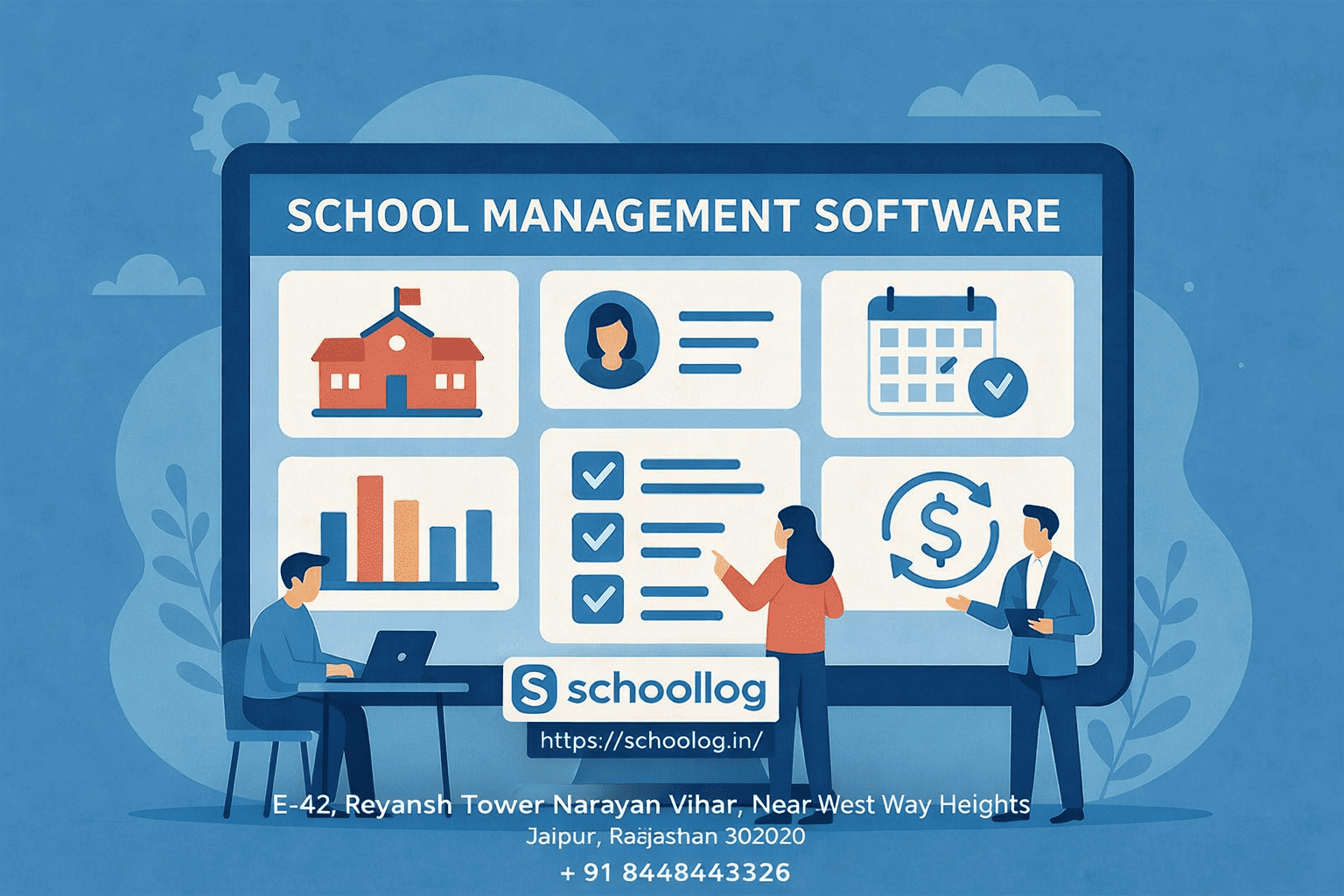
Education today operates in a fast-moving digital environment where efficiency, transparency, and data-driven decisions matter more than ever. Schools are no longer managed through registers and disconnected software tools. Instead, institutions are adopting an intelligent school management system that brings every academic and administrative activity onto a single, reliable platform. This shift is not just about convenience; it is about creating better learning experiences, reducing operational stress, and preparing schools for long-term growth.
An intelligent system combines automation, analytics, and seamless communication to support students, teachers, administrators, and parents alike. Among the modern solutions available, platforms like Schoollog are redefining how schools operate by blending smart technology with real-world usability.
What Is an Intelligent School Management System?
An intelligent school management system is a unified digital platform designed to manage academic, administrative, and operational tasks using automation and data insights. Unlike basic software that handles isolated functions, intelligent systems connect departments, streamline workflows, and provide actionable information in real time.
How It Goes Beyond Traditional School Software
Traditional school software often focuses on one task, such as attendance or fees. Intelligent systems, on the other hand, integrate multiple modules into one ecosystem. They adapt to user behavior, reduce repetitive work, and help schools respond quickly to challenges such as student performance gaps or operational delays.
Core Features That Define the Best Intelligent Systems
Not all school management platforms are truly intelligent. The best solutions share a set of essential features that support both daily operations and long-term planning.
Smart Student Information Management
A centralized student database stores academic records, attendance history, assessments, health details, and behavior reports. This structured data allows educators to track progress over time rather than relying on fragmented information.
Automated Attendance and Scheduling
Intelligent systems use automation to record attendance, manage class schedules, and allocate teachers efficiently. Some platforms also support RFID, biometric, or mobile-based attendance, reducing manual errors.
Academic Planning and Performance Analytics
Advanced analytics help schools understand learning trends. Teachers can identify students who need extra support, while administrators gain insights into overall academic performance. These data-driven decisions improve outcomes without increasing workload.
Transparent Fee and Finance Management
An intelligent system simplifies fee collection, invoicing, and reporting. Parents receive timely notifications, and schools maintain accurate financial records, reducing disputes and administrative overhead.
Secure Communication Channels
Effective communication is essential in education. Built-in messaging, notifications, and announcements ensure that parents, teachers, and students stay informed without relying on scattered apps or informal channels.
Why Schools Are Moving Toward Intelligent Platforms
The growing adoption of intelligent school systems is not a trend driven by technology alone. It reflects real operational needs faced by modern institutions.
Schools manage vast amounts of data daily, from attendance logs to exam results. Manual handling increases the risk of errors and delays. Intelligent platforms automate routine tasks, allowing educators to focus on teaching rather than paperwork. Studies published by global education technology organizations highlight that digital school management improves administrative efficiency and strengthens parent engagement when implemented correctly.
The Role of AI and Data Intelligence in School Management
Artificial intelligence in education does not replace teachers; it supports them. Intelligent systems analyze patterns that humans may overlook, such as attendance correlations with academic performance or subject-wise learning gaps.
Predictive Insights for Better Decisions
By examining historical data, intelligent platforms can highlight potential risks, such as declining student engagement or irregular attendance. Early identification allows schools to intervene before issues escalate.
Personalized Learning Support
Some systems assist teachers by organizing student performance data in ways that make personalized instruction easier. This structured approach helps address diverse learning needs without overwhelming educators.
Schoollog: A Practical Example of Intelligent School Management
Among modern platforms, Schoollog stands out as a comprehensive and user-friendly intelligent school management solution. Designed with real school environments in mind, it balances advanced features with ease of use.
Schoollog integrates student information management, attendance tracking, examinations, fee management, staff administration, and parent communication into a single platform. Its structured dashboards provide clear insights without unnecessary complexity, making it suitable for both growing schools and established institutions.
What makes Schoollog particularly effective is its focus on adaptability. Schools can configure modules based on their operational needs, ensuring that technology supports existing workflows rather than forcing disruptive changes.
Benefits for Different Stakeholders
For School Administrators
Administrators gain full visibility into school operations. Real-time reports simplify compliance, audits, and planning while reducing dependency on manual records.
For Teachers
Teachers spend less time on administrative tasks and more time engaging with students. Easy access to academic data supports better lesson planning and evaluation.
For Parents
Parents receive timely updates about attendance, academic progress, fees, and school announcements. This transparency builds trust and strengthens the school-parent relationship.
For Students
Students benefit from organized schedules, clear academic expectations, and timely feedback, creating a more supportive learning environment.
Choosing the Best Intelligent School Management System
Selecting the right system requires careful evaluation. Schools should consider scalability, data security, ease of use, customer support, and customization options. A well-designed platform should grow with the institution and adapt to evolving educational needs.
Reputable education technology reviews emphasize the importance of data protection and compliance with regional regulations. Schools should ensure that the system they choose follows best practices in security and privacy.
Final Thoughts
The best intelligent school management system is not defined solely by advanced features, but by how effectively it supports people. When technology works quietly in the background, simplifying processes and offering meaningful insights, schools become more efficient, transparent, and student-focused.
Platforms like Schoollog demonstrate how intelligent design and practical functionality can transform school operations without complexity. As education continues to evolve, investing in a future-ready, intelligent system is no longer optional—it is a strategic step toward sustainable growth and better learning outcomes.
