

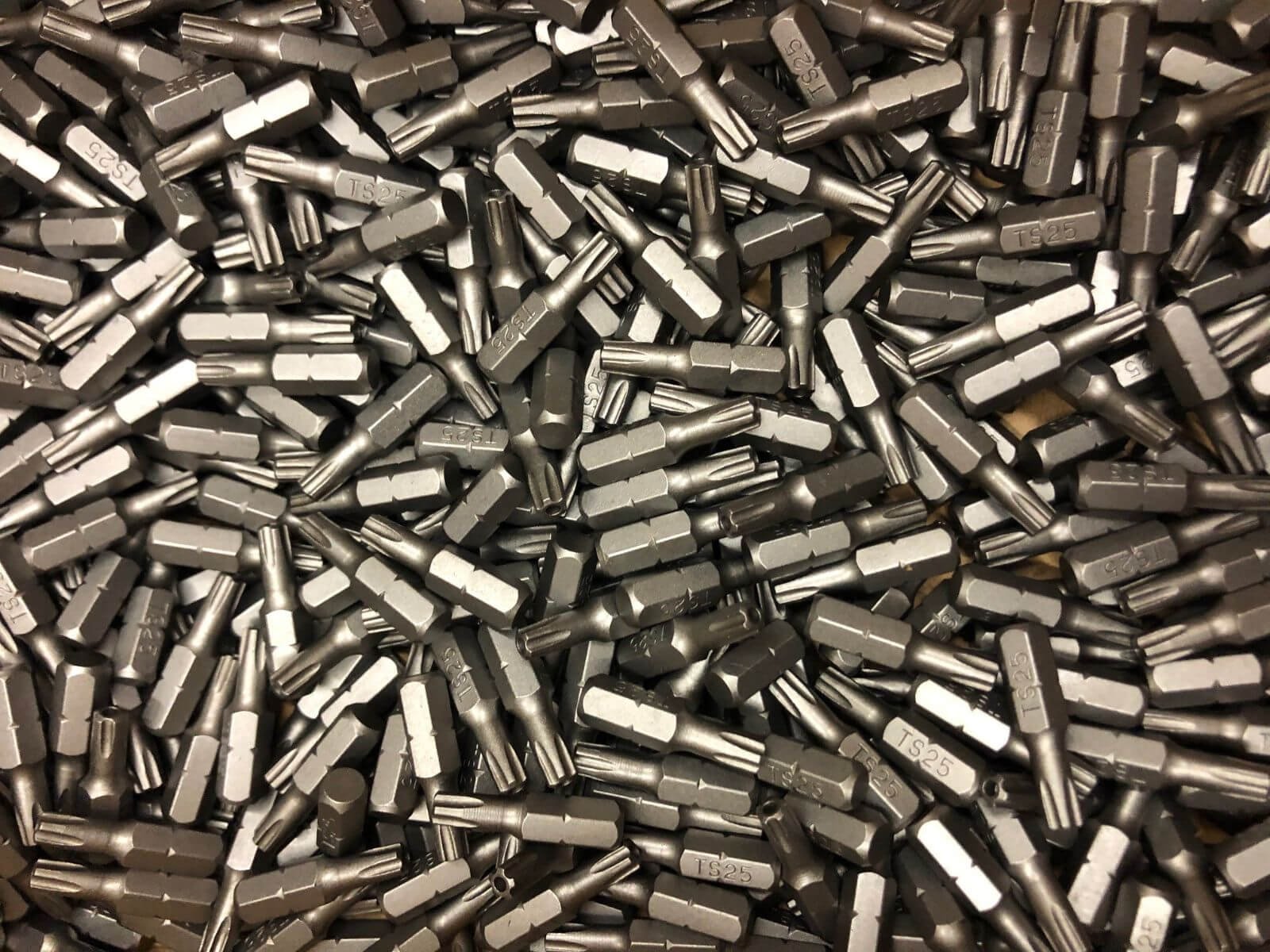
If you’ve ever stared at a security screw that just will not budge, you know how annoying it can feel. You try a normal screwdriver, it slips, and the head seems to get worse every time. That’s when a proper one way screw remover becomes worth its weight in gold.
With the right tool and a calm approach, even the most stubborn anti-theft screws can come out cleanly, without wrecking your door frame, bracket, or wall. This guide walks you through how to pick the best remover, how to use it, and what to watch out for with Concrete Screws and tamper proof bolts.
Whether you’re fixing a mistake, upgrading hardware, or doing repairs on someone else’s “permanent” fix, you’ll find clear steps and real-world tips here.
What Makes One Way Security Screws So Hard to Remove?
One-way screws (also called clutch head or security screws) are designed to go in easily and be very hard to take out.
They usually have a sloped or ramped head that lets a driver turn them clockwise, but bites and slips if you try to turn them back. That’s why they’re so common on public toilets, metal gates, cameras, and safety covers.
They do a great job of stopping casual tampering. But when it’s you who needs to remove them, you quickly see why a proper one way screw remover is so important.
How to Choose the Best one way screw remover
Not all removers are the same, and the “best” one depends on how the screw is installed and what it’s holding. Before you buy anything, think about:
- Where the screw is (indoor, outdoor, high up, in a tight corner)
- What it’s screwed into (wood, metal, masonry, or Concrete Screws)
- How damaged the head already is
- Whether you can afford a bit of mess (like drilling or cutting)
A good one way screw remover should grip securely, work with a standard drill or driver, and not destroy the surface around the screw if you use it carefully.
Types of one way screw remover tools
Here are the most common options you’ll see in shops and online:
- Extractor bits
These look a bit like drill bits with a spiral or fluted tip. You drill a small pilot hole into the screw head, then the extractor bites into the metal and twists the screw out in reverse. Great for hidden or recessed screws. - Special security driver kits
Some kits include drivers shaped to match one-way or clutch head security screws. These can sometimes “grab” just enough of the ramped head to turn it back out, especially if the screw isn’t too tight. - Locking pliers or mole grips
If the screw head sits slightly proud of the surface, you can clamp on tightly and twist. This is low-tech but can be very effective, especially combined with a bit of heat or penetrating oil. - Rotary tool and cutting discs
In a worst-case scenario, you cut a new straight slot across the screw head, then use a large flat-head screwdriver to remove it. It’s messy but often works when nothing else will.
For many DIY jobs, a small extractor kit plus a good pair of pliers gives you the most flexible one way screw remover setup.
Key features to look for in a one way screw remover
When you’re choosing a remover, look out for:
- High-quality steel – Hardened, durable steel is less likely to round off or snap inside the screw.
- Reverse-thread design – For extractor bits, a sharp left-hand thread bites better into damaged heads.
- Clear sizing – Marked sizes that match common security screws, Concrete Screws, and tamper proof bolts.
- Compatibility with your tools – ¼” hex shank bits fit most drill drivers and bit holders.
Step-by-Step: Using a one way screw remover Safely
You don’t need to be an expert to do this, but you do need to go slowly and avoid rushing. A few extra minutes of care can save you an hour of fixing damage later.
Simple method for loose or shallow screws
If the screw is not rusted solid and you can see most of the head, try this approach first:
- Clean the head
Wipe away dirt, paint, or rust. A wire brush or an old toothbrush helps here. - Try a matching security driver
If you have a driver bit that fits the shape of the screw, press down firmly and turn slowly anti-clockwise. Avoid sudden jerks that might strip the head. - Use locking pliers
If the head stands proud, clamp your pliers tight around it. Gently rock the screw left and right, then start turning anti-clockwise. A drop of oil at the base can make a big difference. - Support the surface
When working on thin metal panels or timber, support the back of the material if possible, so you don’t bend or crack it while twisting.
Often, a decent one way screw remover combined with patience is enough to free screws that looked impossible at first.
Advanced method for stuck screws in metal or masonry
When screws are rusted, seized, or buried in harder materials like concrete or brick, you’ll need to take stronger steps. This is common with outdoor fixtures and Concrete Screws.
- Drill a pilot hole
- Fit a small metal drill bit and make a centred hole into the screw head.
- Keep the drill straight and steady, and don’t go too deep.
- Switch to the extractor bit
- Choose an extractor from your one way screw remover kit that matches the pilot hole size.
- Run your drill in reverse (anti-clockwise) at a slow speed while pressing firmly.
- As the extractor bites, the screw should start to turn out.
- For Concrete Screws
- If the screw is set in masonry, avoid wobbling the drill or you may widen the hole in the wall.
- Let the extractor do the work; forcing it can snap the bit.
- For tamper proof bolts
- With larger tamper proof bolts, you may need a bigger extractor and a more powerful drill.
- Sometimes heating the bolt with a heat gun before extraction helps to break rust and thread-lock.
If an extractor ever feels like it’s about to snap, stop at once. Reassess your angle and speed, or step up to a slightly larger extractor.
Extra Tips for Concrete Screws and tamper proof bolts
Security fixings in masonry and metal behave a little differently from those in simple timber, and knowing this will save you a lot of frustration.
Working with Concrete Screws
Concrete Screws are designed for very high grip in brittle material. That means:
- They often seize due to dust and debris in the thread. Vacuum or blow out loose dust before you try to remove the screw.
- Using penetrating oil and giving it time to soak can help free the threads inside the concrete.
- If removal damages the hole, plan ahead to oversize the next fixing or use a chemical anchor.
Handling tamper proof bolts
tamper proof bolts are usually heavier duty and may be holding up safety-critical items like railings or heavy brackets.
- Always make sure what you’re loosening is properly supported before removing the bolt.
- Use the correct size extractor or driver; undersized tools are more likely to slip and damage the head.
- If the bolt is beyond saving, it may be safer to cut it flush and replace it completely.
In both cases, a solid one way screw remover kit with multiple extractor sizes gives you more control and a higher chance of success.
Budget vs Pro-Level one way screw remover Kits
You don’t always need the most expensive kit, but you do want something you can trust. Here’s a simple comparison:
| Type | What You Get | Best For |
| Budget extractor set | Basic steel bits, fewer sizes, simple case | Occasional DIY, light jobs in wood or plastic |
| Mid-range mixed security kit | Extractors, driver bits for security heads, better steel | Home users, regular repairs, mixed materials |
| Pro-grade one way screw remover | Hardened steel, precision sizes, often lifetime warranty | Tradespeople, frequent use on metal/concrete |
If you only need to remove one or two screws at home, a budget kit plus a good pair of locking pliers will probably do the job.
If you deal with Concrete Screws, tamper proof bolts, and security fixings often, investing in a mid-range or pro-level one way screw remover recommended by sites like ATechVibe will save you time and stress in the long run.
Conclusion
Security screws are brilliant when they stop the wrong person getting in – and a nightmare when they stop you. With a reliable one way screw remover, some basic tools, and a calm approach, you can undo even tough Concrete Screws and tamper proof bolts without tearing up the surrounding area.
Take your time, choose the right type of remover, and always think about what the screw is holding before you start. Do that, and those “permanent” fixings won’t feel quite so permanent any more.
FAQs
Q1: What is a one way screw remover and how does it work?
A one way screw remover or bit is defined as a tool that grips or bites into the head of a one way security screw so you can turn it anti-clockwise and remove it, usually by drilling a pilot hole first then using a reverse thread extractor.
Q2: Can I use a one way screw remover on all security screws?
A one way screw remover will work on most one-way and damaged screw heads. Certain special security profiles may require matching driver bits or cutting a new slot first.
Q3: Will a one way screw remover damage my wall or door?
If you keep the tool straight, go slowly, and support the material, often the screw can be removed with little or no extra damage.
Q4: Do I need power tools to use a one way screw remover?
Many one way screw remover kits are designed for use with a drill or driver, but some can be used by hand with a tap wrench or spanner for gentler control
