

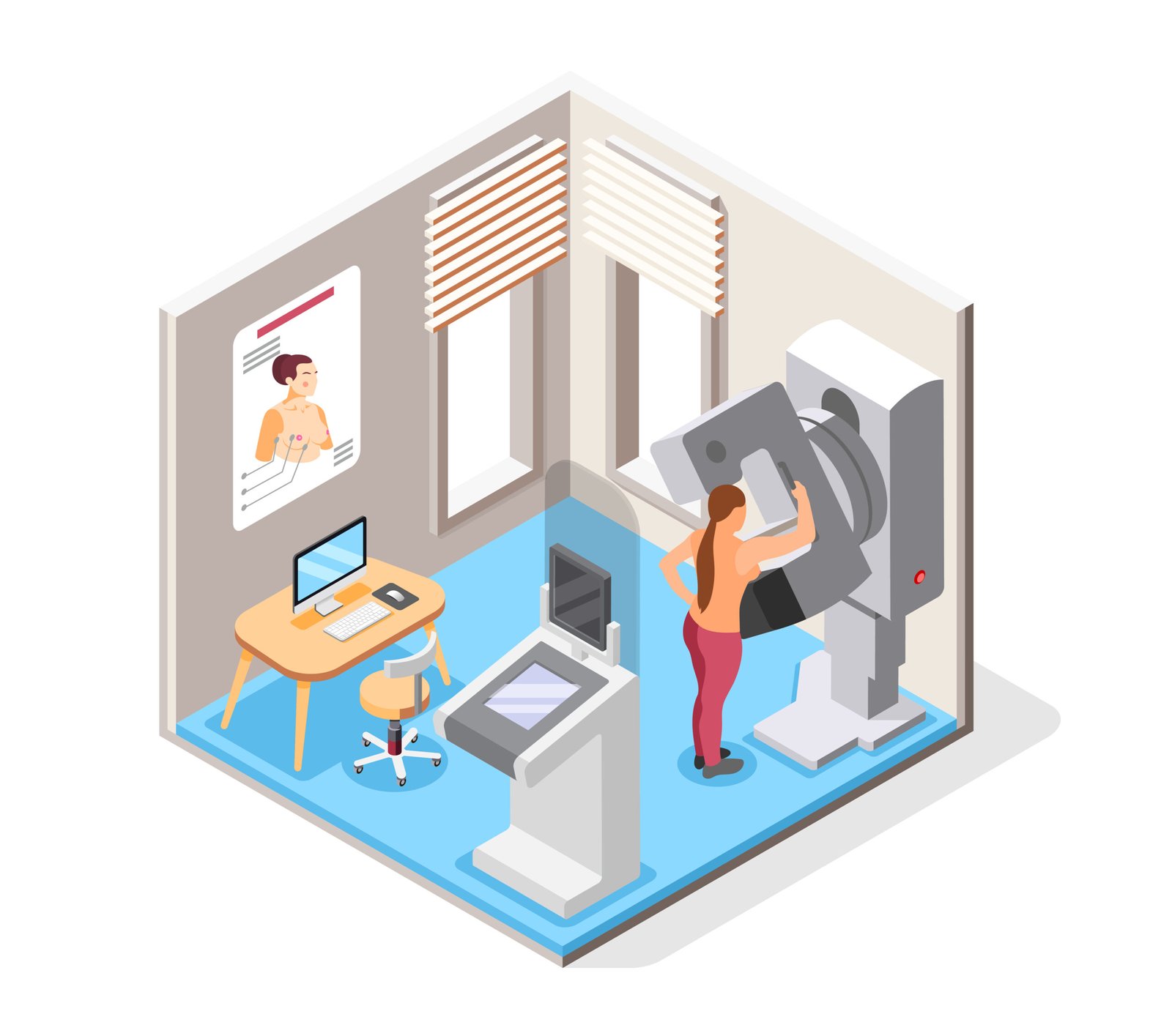
The Future of Breast Imaging in 2026
Early detection remains the most powerful tool in reducing breast cancer mortality rates. In 2026, medical imaging technology continues to evolve, offering women safer, clearer, and more precise diagnostic solutions. Two leading screening tools dominate discussions today: traditional mammography and advanced 3D imaging systems like the breast ct scan.
With the introduction of innovative systems such as koning vera 3d breast ct, healthcare providers are re-evaluating diagnostic accuracy, patient comfort, and detection rates. So which technology truly delivers better accuracy in 2026? Let’s explore.
Understanding Mammography: Traditional Breast Cancer Screening
Mammography has been the gold standard for decades. It uses low-dose X-rays to detect abnormalities in breast tissue.
Benefits of Mammography
- Widely available and cost-effective
- Proven track record in population screening
- Effective for fatty breast tissue
- Covered by most insurance providers
Limitations of Mammography
- Compression discomfort
- Reduced accuracy in dense breast tissue
- 2D imaging may miss small tumors
- Higher false-positive rates
While mammography remains essential for routine screening, its diagnostic limitations have encouraged innovation in advanced 3D breast imaging.
What Is a Breast CT Scan? Advanced 3D Diagnostic Imaging
A breast ct scan is a dedicated three-dimensional imaging technology designed specifically for breast tissue analysis. Unlike mammography, it does not require painful compression and produces high-resolution 3D volumetric images.
Key Features of Breast CT Imaging
- True 3D visualization
- No breast compression
- Better lesion detection in dense breasts
- Improved tumor margin evaluation
Modern systems now offer enhanced spatial resolution, faster scan times, and improved radiation dose optimization. These advancements significantly improve diagnostic confidence.
Accuracy Comparison in 2026 – Breast CT Scan vs Mammography
Detection in Dense Breast Tissue
Dense breast tissue is one of the biggest challenges in breast cancer screening. Mammograms may struggle to differentiate tumors from fibroglandular tissue.
In contrast, the breast ct scan provides cross-sectional imaging, reducing tissue overlap and significantly improving tumor detection rates. Clinical data in 2026 suggests higher sensitivity for small invasive cancers in women with dense breasts.
False Positives and Recall Rates
False positives lead to anxiety, unnecessary biopsies, and added healthcare costs. Traditional mammography has higher recall rates compared to modern 3D imaging.
Breast CT technology reduces overlapping tissue artifacts, improving specificity and lowering false alarm rates.
Radiation Safety and Dose Efficiency
Radiation exposure is always a concern. However, current breast CT systems use optimized low-dose protocols comparable to mammography standards. Technological refinements in detector sensitivity ensure safety without compromising diagnostic clarity.
Patient Comfort and Experience
One major complaint about mammography is breast compression discomfort. The breast ct scan eliminates compression entirely, allowing patients to lie prone while the scanner rotates beneath the breast.
Benefits include:
- Increased comfort
- Reduced anxiety
- Improved screening compliance
- Faster imaging workflow
In 2026, patient-centered care plays a critical role in screening decisions, and comfort is no longer a minor factor.
The Role of Koning Vera 3D Breast CT in Modern Imaging
The koning vera 3d breast ct system represents a new generation of dedicated breast CT technology. It offers:
- High-resolution isotropic imaging
- Enhanced lesion visualization
- Advanced reconstruction algorithms
- Optimized radiation control
This system improves diagnostic confidence for radiologists and supports early tumor characterization. Hospitals adopting this technology report improved detection of small calcifications and architectural distortions.
Cost and Accessibility in 2026
While mammography remains more widely available, breast CT technology is expanding globally. Initially considered a premium diagnostic tool, costs are gradually decreasing as adoption increases.
Insurance providers are beginning to recognize its benefits, especially for high-risk patients and women with dense breast tissue.
Which Is More Accurate in 2026?
The answer depends on individual risk factors:
| Factor | Mammography | Breast CT |
|---|---|---|
| Dense Breast Detection | Moderate | High |
| Patient Comfort | Moderate | High |
| 3D Imaging | Limited | True 3D |
| Tumor Margin Clarity | Moderate | Excellent |
| Screening Accessibility | High | Growing |
For general population screening, mammography still plays an important role. However, for diagnostic evaluation, dense breast tissue, and complex cases, the breast ct scan shows higher diagnostic precision in 2026.
Final Verdict
Medical imaging is evolving rapidly. While mammography remains valuable, modern 3D imaging systems are redefining breast cancer detection standards. The breast ct scan provides superior visualization, improved comfort, and better detection rates in many clinical scenarios.
As healthcare providers continue to adopt advanced technologies like dedicated 3D CT systems, patients can expect earlier diagnoses, improved treatment planning, and better survival outcomes.
