

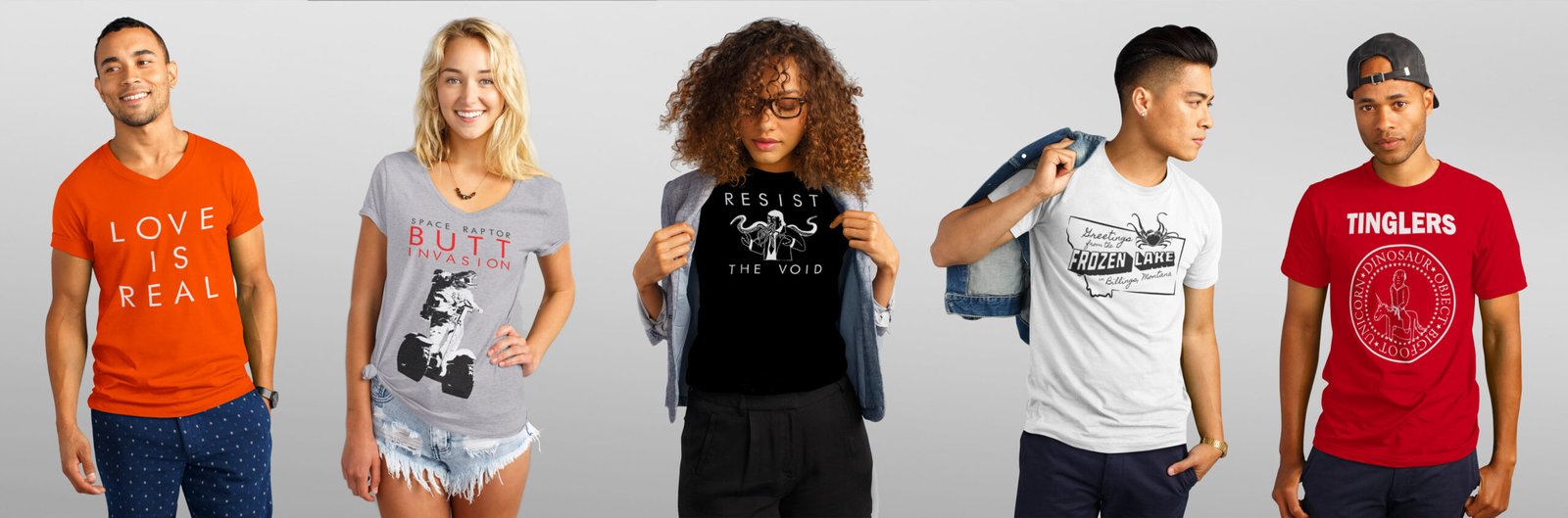
The market for custom apparel is booming. Everyone wants to wear their identity, passion, or brand. This creates a massive opportunity. You can tap into this demand. How? By mastering Bulk Headwear custom and t-shirt sales. This guide is your roadmap. We will explore the wholesale world. You will learn to source quality blank t-shirts. We will discuss finding the best custom hat suppliers. You will discover strategies for pricing and profit. Let’s build your successful apparel venture together.
Understanding the Wholesale Apparel Landscape
Wholesale is the foundation of volume sales. It involves buying goods in large quantities. You purchase directly from manufacturers or distributors. This method significantly reduces the cost per unit. Lower costs mean higher profit margins. You can also offer competitive retail prices. Wholesale is ideal for businesses, event organizers, and resellers. It is the first step toward a sustainable apparel operation. You must understand the key players. Manufacturers produce the blank garments. Distributors stock inventory from multiple manufacturers. Suppliers can be either. Your choice depends on order size and needs.
The wholesale model provides incredible flexibility. You can start with a modest bulk order. Fifty shirts or two dozen hats is a common starting point. This allows you to test designs and market response. You can then scale up confidently. Successful wholesalers build strong supplier relationships. These partnerships lead to better pricing and reliable service. Consistency in quality and delivery is crucial. Your reputation depends on it. Always prioritize reliable partners over the absolute cheapest option.
Why Blank T-Shirts Are Your Canvas for Profit
Blank Wholesale T-Shirts are the essential starting point. They are the blank canvas for your creativity. Their versatility is unmatched. You can print, embroider, or dye them. They serve countless markets. Think corporate events, sports teams, and retail brands. Also consider fan clubs and nonprofit fundraisers. The application possibilities are nearly endless. Choosing the right blank is a critical decision. It directly impacts the final product’s look and feel.
Quality should never be an afterthought. A cheap, thin shirt ruins even the best design. It leads to customer disappointment and returns. Invest in good blanks. Focus on fabric composition first. 100% cotton is soft and traditional. Cotton-polyester blends offer durability and wrinkle resistance. Next, consider the fabric weight. It is measured in grams per square meter (GSM). A heavier shirt (180-200 GSM) feels substantial and high-quality. It also provides better opacity for printing.
The shirt’s cut and stitch quality matter too. Retail brands like Bella+Canvas, Gildan, and Next Level are popular. They offer consistent sizing and modern fits. Always order sample shirts before a large bulk purchase. Feel the fabric. Wash it. Print on it. This due diligence prevents costly mistakes. It ensures your branded apparel represents your vision perfectly.
Mastering the Custom Hat and Headwear Wholesale Market
Custom headwear carries a powerful brand statement. Hats, caps, and beanies are walking billboards. They offer high perceived value. This makes them excellent for promotions and sales. The wholesale custom hats market is diverse. It includes structured baseball caps and unstructured dad hats. Also consider beanies, snapbacks, and trucker hats. Each style appeals to a different audience. Your selection must align with your target market.
Embroidery is the primary decoration method for headwear. It provides a premium, durable finish. The key to a great custom hat is the blank cap’s quality. Look for sturdy fabric construction. Check the buckram in the front panels for structure. Examine the sweatband for comfort and absorbency. The closure (snapback, strapback, fitted) affects sizing and audience. Partner with a headwear wholesale who understands decoration. They should guide you on stitch count and design size limits.
A successful strategy often involves bundling. Pair a custom hat with a matching t-shirt. This creates a complete branded outfit. It increases the average order value significantly. For example, offer a “Team Kit” for sports clubs. Or a “Brand Starter Pack” for small businesses. Bundling simplifies the buying decision for your customers. It also makes your wholesale offering more attractive and comprehensive.
Sourcing Strategies: Finding Reliable Wholesale Suppliers
Your supplier choice can make or break your business. Reliable partners are non-negotiable. Start your search with thorough online research. Use specific keywords like “headwear wholesale distributor” or “bulk blank t-shirts.” Industry directories and B2B marketplaces are valuable tools. Attend trade shows if possible. They allow you to meet suppliers face-to-face. You can assess product quality firsthand.
Vet potential suppliers carefully. Ask for detailed catalogs and price lists. Request physical samples of their most popular items. Inquire about their minimum order quantities (MOQs). Some suppliers offer low MOQs for new businesses. Understand their production and shipping timelines. Clear communication is essential. Test their responsiveness before placing a large order. Ask about their decoration capabilities if needed. Do they offer in-house printing or embroidery? Or do they work with partnered decorators?
Read reviews and seek testimonials from other clients. A supplier’s reputation is a strong indicator of reliability. Remember, the cheapest price is not always the best deal. Consider the total value. This includes product consistency, customer service, and shipping reliability. Building a relationship with a great supplier is a long-term asset. It provides stability as your business grows.
The Art of Pricing for Maximum Profit Margin
Correct pricing is the engine of your profitability. It must cover all costs and generate profit. Start by calculating your total Cost of Goods Sold (COGS). This includes the blank item cost. Add the decoration cost per piece. Include any shipping fees from your supplier. Don’t forget ancillary costs like labeling or hang tags. This sum is your base cost per unit.
Next, apply your desired markup. A common industry markup for wholesale is 30-50%. Retail markups can be 100% or more. Your final price must reflect your market position. Are you competing on value or premium quality? Research your competitors’ pricing for similar products. Your price must be competitive but sustainable. Never undervalue your work just to make a sale.
Offer transparent tiered pricing. This incentivizes larger orders. For example: “1-24 pieces: $15.00 each. 25-99 pieces: $12.50 each. 100+ pieces: $10.00 each.” Clear pricing builds trust with B2B clients. It helps them plan their budgets. Always have a clear policy for reorders, rush fees, and design changes. Surprise fees damage client relationships. Transparency in pricing builds a foundation for repeat business.
Marketing Your Wholesale Custom Apparel Business
Great products need great marketing. You must connect with your potential buyers. Start by defining your ideal customer. Are they small business owners? Event planners? Perhaps local sports coaches or school administrators? Understanding their needs allows for targeted messaging. Your marketing should speak directly to their pain points. It should offer your apparel as the solution.
Build a professional, clean website. It should showcase high-quality product photos. Include detailed specifications for each blank item. A “Request a Quote” form is essential for wholesale inquiries. Content marketing is powerful. Write blog posts about topics like “5 Apparel Ideas for Your Company Retreat” or “How to Choose the Right Custom Hat.” This demonstrates your expertise. It attracts organic search traffic.
Leverage social media platforms visually. Instagram and Pinterest are perfect for apparel. Showcase your decorated samples and happy clients. Use targeted ads on LinkedIn to reach business decision-makers. Attend local business networking events. Bring samples with you. Word-of-mouth remains incredibly powerful in the B2B space. A satisfied event planner can refer you to many others. Provide exceptional service to turn every client into a brand advocate.
Quality Control and Building a Trusted Brand
Your brand is your promise. In wholesale, that promise is consistency. Implementing strict quality control is mandatory. Inspect every bulk shipment upon arrival. Check for manufacturing defects like uneven stitching or stains. Compare colors against your approved samples. Ensure the garment weights match what you ordered. This initial check prevents problems down the line.
The decoration process needs its own quality checks. Approve a production sample before the full run begins. This sample should be on the actual blank garment. It must use the correct thread colors and placement. During the run, periodically check items coming off the line. Catching a small error early can save an entire order. Communicate your quality standards clearly to your decoration partner. They are an extension of your brand.
Building a trusted brand takes time. It is built on every order delivered on time. It is reinforced by every shirt that survives fifty washes. It is strengthened by every responsive customer service email. Prioritize quality and reliability over short-term gains. Your reputation will become your most valuable marketing tool. Clients will return because they trust you. They will recommend you because you eliminate risk for them.
Scaling Your Operations for Long-Term Growth
Your first successful order is just the beginning. Planning for growth is essential. Start by systemizing your processes. Create standard operating procedures for quoting, ordering, and fulfillment. Use customer relationship management (CRM) software. It helps track leads and client preferences. Invest in inventory management tools as your stock grows. Disorganization is a major growth barrier.
Consider diversifying your product line gradually. Start with t-shirts and hats. Then, explore adding polos, hoodies, or jackets. Expand your headwear range to include beanies and visors. Each new product should serve your existing customer base. It should solve a new problem for them. For example, offer performance wear for athletic teams. Or introduce high-end garments for corporate clients.
Explore new sales channels. Your own website is your primary storefront. Also consider selling on curated B2B online marketplaces. Partner with complementary businesses, like marketing agencies or printers. They can refer clients needing apparel. As volume increases, renegotiate with your suppliers. Larger orders often secure better per-unit pricing. This improves your margins. It also makes you more competitive. Always reinvest a portion of profits back into the business. This fuels sustainable, long-term growth.
Conclusion: Your Journey in Wholesale Apparel Starts Now
The path to success in bulk custom apparel is clear. It begins with knowledge and careful planning. Source quality blank t-shirts and reliable custom hats. Develop smart pricing and marketing strategies. Never compromise on quality control. Build a brand that people trust. This industry rewards diligence and customer focus. Start with a small, manageable order. Learn the process firsthand. Build relationships with your suppliers and clients.
