

Introduction
Can Ksubi Hoodie Be an Investment? The idea of fashion as an investment used to sound ridiculous. Clothes were meant to be worn, stretched, faded, and eventually forgotten. But somewhere along the line—between limited sneaker drops, resale apps, and celebrities turning hoodies into status symbols—fashion crossed into financial territory. Streetwear, in particular, has rewritten the rules. A hoodie is no longer just something you throw on during a chilly evening. In today’s culture, it can represent identity, belonging, and yes, money.
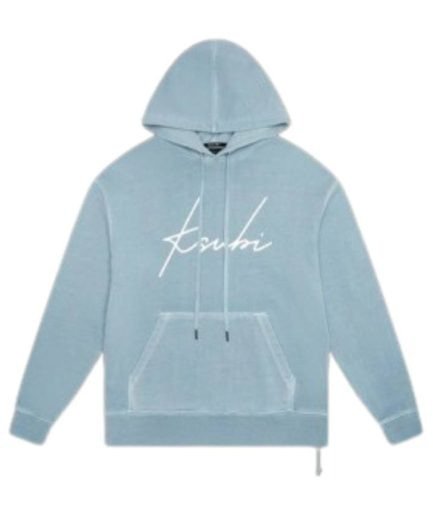
Ksubi hoodies sit right in the middle of this conversation. Known for rebellious aesthetics, raw finishes, and cult-like appeal, Ksubi Clothing has built a brand that feels more like an attitude than a clothing label. That naturally raises the question: can a Ksubi hoodie actually be an investment? Not just emotionally, but financially. Can you buy one today and realistically expect it to hold or even grow in value over time?
This question isn’t just for hardcore collectors or resale pros. It matters to everyday buyers who are spending a few hundred dollars on a hoodie and wondering if that money is disappearing—or quietly working in the background. The answer isn’t black and white. Like any investment, it depends on timing, knowledge, and intent. Let’s break it all down, layer by layer, and see where Ksubi hoodies really stand in the investment conversation.
Understanding Ksubi as a Brand
Ksubi didn’t start as a polished, luxury fashion house. It began in Australia at the turn of the millennium, fueled by raw creativity, DIY spirit, and a desire to disrupt conventional fashion norms. The founders weren’t chasing mass appeal. They were chasing authenticity, and that energy still defines the brand today.
What made Ksubi stand out early on was its refusal to conform. From unfinished hems to aggressive distressing and provocative graphics, the brand felt intentionally imperfect. That imperfection became its signature. As global streetwear culture exploded, Ksubi evolved without losing its edge. It transitioned from a niche underground label to a globally recognized name, worn by musicians, artists, and fashion rebels.
This evolution matters when talking about investment. Brands with a clear origin story and consistent identity tend to hold cultural weight longer. Ksubi isn’t a trend that appeared overnight. It’s a brand that’s survived shifts in fashion cycles, which is a crucial factor when assessing long-term value.
Ksubi’s Brand Identity
Ksubi’s identity is unapologetic. It doesn’t chase minimalism for mass appeal, nor does it flood the market with endless logo variations. Instead, it leans into bold statements, handcrafted distressing, and a slightly chaotic aesthetic that feels intentional. Each hoodie feels less like a factory product and more like a piece of wearable art.
That strong identity creates loyalty. People don’t just buy Ksubi because it’s popular—they buy it because it resonates with who they are. From an investment perspective, brand loyalty is powerful. It sustains demand even when trends shift. A hoodie that represents a lifestyle or mindset tends to age better than one that simply follows a seasonal trend.
Celebrity Endorsements and Cultural Impact
Celebrities play a massive role in shaping streetwear value, and Ksubi has no shortage of high-profile supporters. Musicians, athletes, and cultural tastemakers regularly wear Ksubi Hoodie, not because they’re paid to, but because it aligns with their image. That organic adoption carries more weight than traditional advertising.
When a well-known artist wears a specific hoodie, demand can spike overnight. Social media amplifies this effect, turning a single outfit photo into thousands of searches and resale listings. Cultural relevance like this is hard to manufacture—and incredibly valuable when it comes to resale potential.
What Makes a Hoodie an “Investment”?
Before calling any hoodie an investment, it’s important to reset expectations. An investment doesn’t always mean guaranteed profit or stock-market-style growth. In fashion, an investment often lives in a gray area between financial return, cultural value, and personal satisfaction. A Ksubi hoodie fits squarely into this space.
Defining Investment in Fashion
Unlike stocks or real estate, fashion investments are wearable. That’s both their strength and weakness. On one hand, you’re not locking money away in something abstract—you can actually use it. On the other hand, wearing it introduces wear, risk, and depreciation. So when people talk about investing in fashion, they’re usually referring to value retention or selective appreciation rather than consistent growth.
A Ksubi hoodie can be considered an investment if:
- It holds close to its retail value over time
- It appreciates due to scarcity or cultural relevance
- It provides high emotional and lifestyle return even if resale is modest
That last point matters more than people admit. Many buyers are comfortable breaking even financially if the hoodie delivers years of use, confidence, and identity.
Criteria That Determine Investment Potential
Not every Ksubi hoodie qualifies. Investment-worthy pieces usually share a few traits:
- Scarcity: Limited runs or discontinued designs perform better.
- Brand Moment: Pieces released during peak cultural relevance tend to age well.
- Design Longevity: Subtle graphics or iconic motifs outperform loud, trend-heavy designs.
- Condition: Deadstock or lightly worn pieces always command higher resale.
Understanding these criteria helps separate emotional buying from strategic purchasing.
The Streetwear Resale Market Explained
To understand whether a Ksubi hoodie can be an investment, you need to understand the ecosystem it lives in. The streetwear resale market isn’t random—it’s driven by hype cycles, community sentiment, and platform dynamics.
How Resale Platforms Work
Platforms like Grailed, StockX, and GOAT function like digital marketplaces where pricing is dictated by demand rather than retail tags. Sellers list items, buyers bid or buy outright, and prices fluctuate in real time. While sneakers dominate these platforms, premium streetwear—especially hoodies—has carved out a strong niche.
Ksubi hoodies appear regularly on these platforms, often retaining a significant portion of their retail value. Certain designs even sell above retail, especially if they’re no longer available through official channels.
Why Streetwear Resells
Streetwear thrives on drop culture. Limited availability creates urgency, and urgency creates demand. When a brand like Ksubi releases a hoodie that resonates with its audience, it can sell out quickly. Once that happens, the secondary market becomes the only source—and prices adjust accordingly.
Another factor is storytelling. Buyers aren’t just purchasing fabric; they’re buying into a moment in fashion history. Hoodies tied to a specific era, collection, or cultural shift tend to perform better over time.
Ksubi Hoodie Design and Quality
One reason Ksubi hoodies hold value better than fast-fashion alternatives is quality. The brand uses heavyweight fabrics that feel substantial, not flimsy. Stitching is solid, and distressing is intentional rather than accidental. These details matter, especially years down the line when buyers assess condition.
High-quality construction also means the hoodie ages better. Even when worn, it often develops character rather than looking worn out. That aging process can actually enhance appeal, especially for buyers who appreciate a lived-in aesthetic.
Design Philosophy
Ksubi walks a careful line between timeless and experimental. Some hoodies feature bold graphics that scream a specific era, while others rely on subtle branding and texture. From an investment standpoint, the latter tends to perform better long-term.
Minimal branding, neutral colorways, and iconic motifs age more gracefully. Loud graphics may spike in value initially but often cool off once trends shift. Savvy buyers recognize this and choose designs that won’t feel outdated in a few years.
Limited Drops and Exclusivity
Scarcity is one of the strongest forces behind resale value. Ksubi doesn’t flood the market with endless reproductions of the same hoodie. Once a design is gone, it’s usually gone for good. That creates a natural supply cap, which supports long-term value.
Limited seasonal drops also add to this effect. When buyers know they won’t get another chance, demand intensifies. Over time, that scarcity becomes more pronounced as pieces disappear into private wardrobes.
Comparison With Other Streetwear Brands
Compared to brands like Supreme or Off-White, Ksubi operates in a slightly quieter lane. It doesn’t rely on constant hype drops or flashy collaborations. This can actually be an advantage. While Supreme pieces often spike and crash, Ksubi hoodies tend to show steadier value retention.
They may not triple in price overnight, but they’re also less likely to lose relevance suddenly. For long-term thinkers, that stability is appealing.
Celebrity Influence on Hoodie Value
When celebrities wear Ksubi hoodies, it reinforces the brand’s cultural relevance. A single paparazzi shot or Instagram post can reignite interest in a specific design. This visibility keeps older pieces circulating in conversations, which supports resale demand.
Case Examples
There have been instances where previously overlooked Ksubi hoodies gained traction after being worn by high-profile artists. Listings disappeared faster, prices crept up, and buyers suddenly saw value where there was none before. These moments aren’t predictable, but they highlight the brand’s responsiveness to culture.
Price Trends of Ksubi Hoodies
Most Ksubi hoodies sit in the mid-to-high price range. They’re not cheap, but they’re also not unreachable luxury. This pricing sweet spot makes them attractive to a wide audience, which helps sustain demand.
Resale Price Patterns
On the resale market, most Ksubi hoodies retain 60–90% of retail value if kept in good condition. Certain rare or discontinued pieces exceed retail, especially in popular sizes. While this isn’t explosive growth, it’s strong performance compared to typical clothing depreciation.
Emotional Value vs Financial Return
One overlooked aspect of fashion investment is daily return. If a hoodie makes you feel confident, comfortable, and authentic, that’s a form of value. A Ksubi hoodie often becomes a go-to piece, not something that sits untouched in a closet.
Psychological Satisfaction
There’s also satisfaction in owning something well-made and culturally relevant. Even if resale profits are modest, the emotional payoff can justify the purchase. In that sense, Ksubi hoodies offer a balanced investment—part financial, part personal.
Conclusion
So, can a Ksubi hoodie be an investment? The honest answer is yes—but with nuance. It’s not a guaranteed money-maker, and it shouldn’t be treated like a stock portfolio. However, as a wearable asset that blends quality, culture, and resale potential, it holds its ground remarkably well. If chosen wisely and cared for properly, a Ksubi hoodie can deliver value that goes beyond numbers—combining financial sense with personal expression. Read More….
FAQs
1. Do all Ksubi hoodies increase in value?
No. Only select designs with strong demand and limited availability show appreciation.
2. How long should you hold a Ksubi hoodie before reselling?
Usually 1–3 years, depending on demand and condition.
3. Are worn Ksubi hoodies worth anything?
Yes, but value decreases with visible wear.
4. Is buying Ksubi hoodies safer than sneaker investing?
It’s generally less volatile but also less explosive in returns.
5. Can beginners profit from streetwear investments?
Yes, with research and realistic expectations.
