

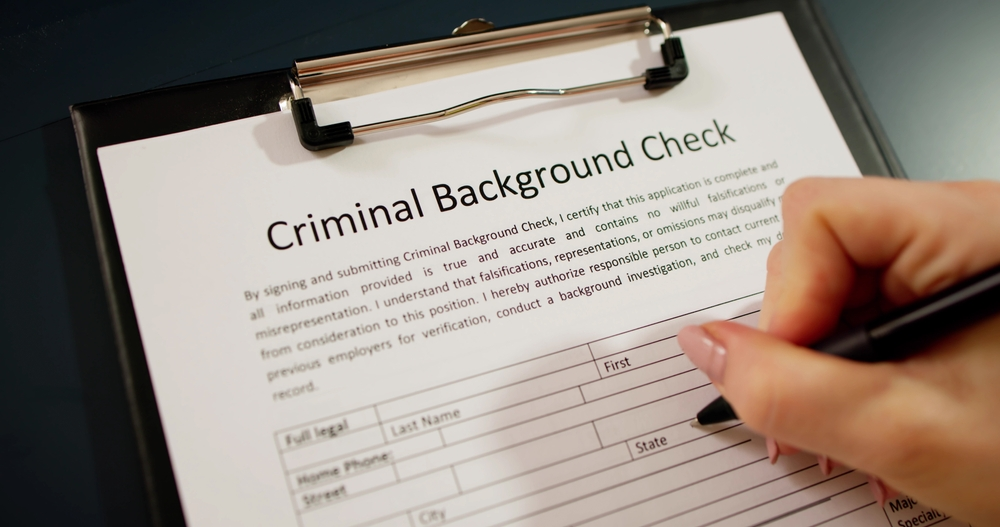
A criminal history check plays a vital role in modern society by helping organizations, institutions, and individuals make informed decisions based on verified legal records. From employment screening and volunteer onboarding to immigration and licensing requirements, this process ensures trust, safety, and accountability. As regulations tighten and expectations around due diligence grow, understanding how a criminal history check works and what information it reviews has become increasingly important.
While many people are familiar with the term, fewer understand the scope of records involved or the steps required to complete the process. This article provides a comprehensive explanation of the records reviewed, the procedures followed, and why criminal history checks matter in today’s legal and professional environments.
What Is a Criminal History Check?
A criminal history check is a formal process used to determine whether an individual has a record of criminal offenses within a specific jurisdiction. It involves reviewing official law enforcement and court databases to identify convictions, charges, or other legally recorded incidents associated with a person’s identity. The purpose is not to judge character but to verify factual legal history.
The scope of a criminal history check depends on the requesting authority and the legal framework governing the check. Some checks provide basic information, while others offer detailed insights into an individual’s past interactions with the justice system.
Why Criminal History Checks Are Important
The importance of a criminal history check lies in its ability to support informed decision-making. Employers rely on these checks to ensure workplace safety, especially in roles involving vulnerable populations or sensitive responsibilities. Educational institutions may require them for admissions or placements, while government agencies use them for licensing and compliance.
Beyond organizational needs, criminal history checks also protect individuals by ensuring transparency and fairness. When conducted lawfully, they help balance public safety with personal rights, making them a cornerstone of responsible governance.
Types of Records Reviewed in a Criminal History Check
A criminal history check typically reviews a range of official records maintained by law enforcement and judicial bodies. These records are collected and stored according to strict legal standards to ensure accuracy and reliability.
The most commonly reviewed records include convictions, pending cases, and, in some cases, arrests. The inclusion of specific record types depends on local laws and the purpose of the check. Understanding these categories helps clarify what information may appear in the final result.
Criminal Convictions and Court Judgments
Convictions form the core of most criminal history checks. These records confirm that an individual was found guilty of an offense by a court of law. Conviction details may include the nature of the offense, the date of judgment, and the sentence imposed.
Because convictions represent finalized legal outcomes, they are often the most relevant records for decision-makers. However, laws may limit how long certain convictions remain reportable, especially for minor offenses.
Pending Charges and Ongoing Cases
In some jurisdictions, a criminal history check may also reveal pending charges or ongoing legal proceedings. These records indicate that a case is under investigation or awaiting a court decision. While they do not confirm guilt, they provide context about unresolved legal matters.
The inclusion of pending cases is typically regulated to prevent unfair treatment. Organizations must interpret this information carefully and in compliance with applicable laws.
Arrest Records and Their Limitations
Arrest records document instances where an individual was taken into custody by law enforcement. Not all criminal history checks include arrest records, as an arrest does not necessarily result in a conviction. Many legal systems restrict access to such information to protect individual rights.
When arrest records are included, they are often accompanied by disclaimers emphasizing that they do not imply guilt. Understanding these limitations is essential for fair and lawful use.
Juvenile Records and Legal Protections
Juvenile records are generally subject to stricter privacy protections. In most cases, a criminal history check will not include offenses committed as a minor, unless specific legal exceptions apply. This approach reflects the principle of rehabilitation and the recognition that juvenile behavior should not permanently define an individual.
Laws governing juvenile records vary widely, making it important for authorities to handle such information with care.
How Identity Is Verified During the Process
Accurate identity verification is a critical step in any criminal history check. Authorities must ensure that records are matched to the correct individual to avoid errors or misidentification. This process often involves verifying personal details such as full name, date of birth, and address history.
In some systems, biometric data or government-issued identification numbers are used to enhance accuracy. Proper identity verification protects both applicants and organizations from incorrect results.
The Step-by-Step Process of a Criminal History Check
The process of conducting a criminal history check follows a structured workflow designed to ensure accuracy, legality, and efficiency. While specific steps may vary by jurisdiction, the general process remains consistent.
It typically begins with an application, followed by identity verification, database searches, and result generation. Each stage is governed by legal and procedural safeguards.
Application and Consent Requirements
The first step in a criminal history check is submitting an application. Applicants must provide accurate personal information and, in most cases, give explicit consent for the check to be conducted. Consent is a legal requirement designed to protect privacy and ensure transparency.
Without proper authorization, a criminal history check cannot proceed, highlighting the importance of informed consent in the process.
Database Searches and Record Matching
Once the application is approved, authorized personnel or automated systems search relevant databases. These databases may include national criminal registers, court records, and law enforcement systems. The goal is to identify any records that match the applicant’s verified identity.
Advanced matching techniques help reduce false positives and ensure that results are accurate and relevant.
Review and Quality Control
After records are retrieved, a review process ensures that the information is complete and compliant with legal standards. This step may involve manual verification by trained staff, particularly in cases with complex or ambiguous data.
Quality control measures help prevent errors and ensure that only authorized information is included in the final criminal history check result.
Issuance of Results
The final step is issuing the results to the authorized recipient. Depending on the system, results may be delivered electronically or in printed form. The content of the report is typically standardized and clearly explains whether any relevant records were found.
Clear presentation helps recipients interpret the information correctly and responsibly.
Legal Framework Governing Criminal History Checks
Criminal history checks operate within strict legal frameworks designed to balance public interest with individual rights. Privacy laws, data protection regulations, and employment standards all influence how these checks are conducted and used.
Organizations requesting a criminal history check must comply with these laws to avoid discrimination or misuse of information.
Privacy and Data Protection Considerations
Protecting personal data is a central concern in criminal history checks. Authorities must implement safeguards to prevent unauthorized access, data breaches, or improper retention. Encryption, access controls, and audit trails are commonly used to enhance security.
Applicants also have rights regarding how their data is stored and used, reinforcing the importance of transparency.
Differences Between Jurisdictions
Criminal history check processes and content vary significantly across jurisdictions. Some regions maintain centralized national databases, while others rely on local or regional systems. Legal definitions of reportable offenses and retention periods also differ.
Understanding these variations is essential for organizations operating across borders or multiple regions.
Common Uses of Criminal History Checks
A criminal history check is widely used across sectors. Employers use it during hiring, particularly for roles involving trust, security, or vulnerable populations. Educational institutions require checks for admissions or placements, while licensing bodies use them to assess eligibility.
Government agencies also rely on criminal history checks for immigration, citizenship, and security clearances.
Misconceptions About Criminal History Checks
Despite their widespread use, criminal history checks are often misunderstood. Some people believe they reveal all past interactions with law enforcement, which is not always the case. Others assume that any record automatically disqualifies an individual, overlooking legal protections and contextual evaluation.
Clarifying these misconceptions helps promote fair and responsible use.
The Role of Technology in Modern Criminal History Checks
Technology has transformed how criminal history checks are conducted. Digital systems streamline applications, automate searches, and reduce processing times. Online platforms also improve accessibility and transparency for applicants.
As technology evolves, criminal history checks continue to become more efficient while maintaining legal and ethical standards.
Challenges and Limitations of the Process
Despite advancements, criminal history checks face challenges. Incomplete records, data discrepancies, and jurisdictional limitations can affect accuracy. Additionally, delays may occur in high-demand periods or complex cases.
Addressing these challenges requires ongoing investment in systems, training, and inter-agency cooperation.
Ethical Use and Fair Decision-Making
Ethical considerations are central to the use of criminal history checks. Organizations must ensure that decisions are fair, proportionate, and relevant to the role or purpose. Blanket exclusions based on criminal records may violate legal and ethical standards.
Responsible use emphasizes rehabilitation, context, and individual assessment.
The Future of Criminal History Checks
The future of criminal history checks is likely to involve greater integration with digital identity systems and enhanced data sharing between authorized agencies. These developments aim to improve efficiency while maintaining strict privacy protections.
As expectations around transparency and accountability grow, criminal history checks will continue to evolve to meet societal needs.
Conclusion
A criminal history check is a powerful tool for verifying legal records and supporting informed decision-making. By understanding what records are reviewed and how the process works, individuals and organizations can engage with the system more confidently and responsibly. From identity verification and database searches to legal safeguards and ethical considerations, each step plays a crucial role in ensuring accuracy and fairness.
As technology advances and regulations adapt, criminal history checks will remain an essential component of trust and safety in modern society. When conducted lawfully and ethically, they serve not only institutional needs but also the broader goal of transparency and accountability.
