

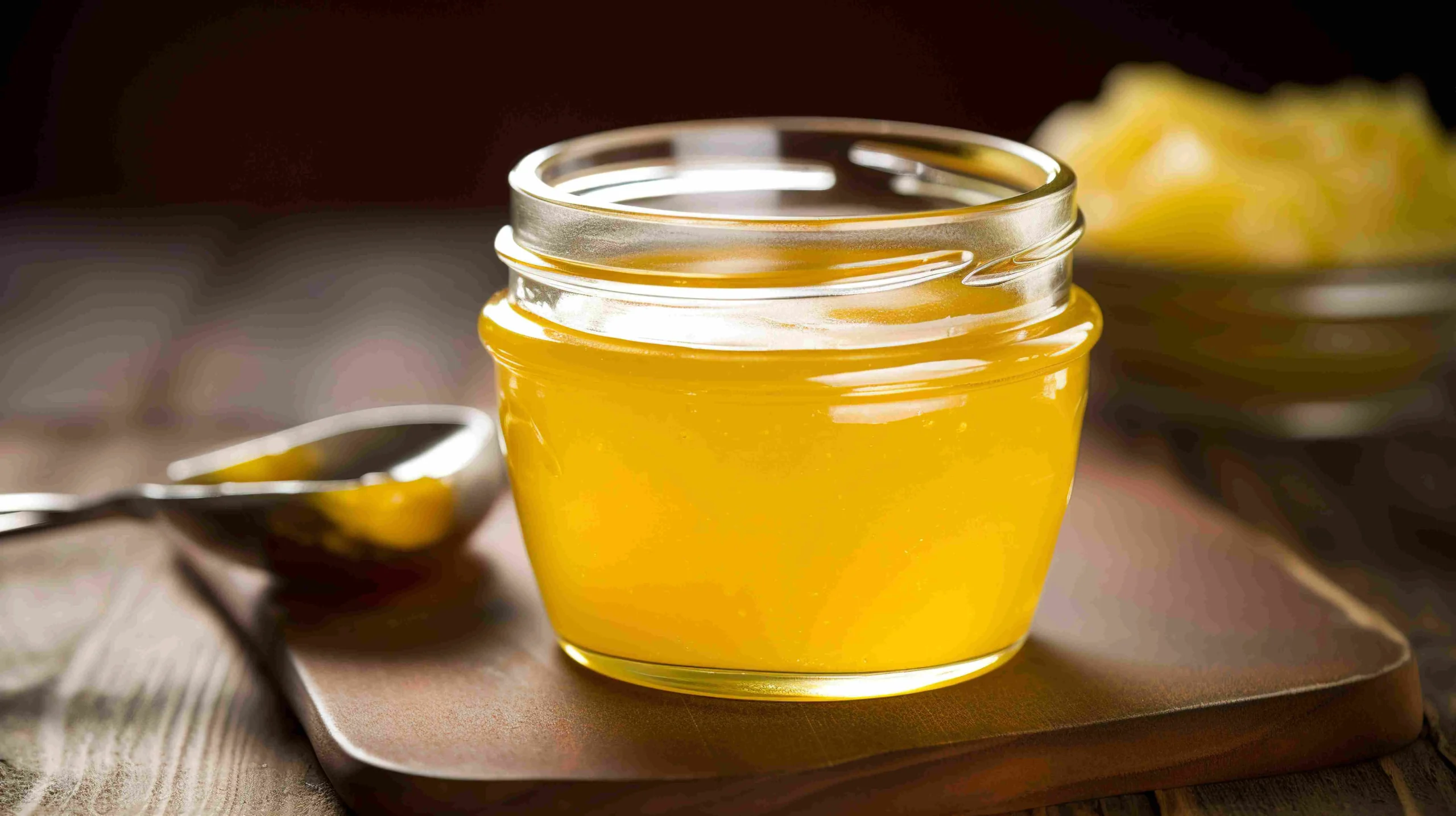
Desi ghee has always held a special place in Pakistani kitchens. From traditional breakfast parathas to festive sweets, this golden fat is deeply connected with culture, taste, and health. In recent years, interest in pure and organic food has increased, making desi ghee an even more discussed topic among households. This detailed guide explores its benefits, uses, production methods, and factors that influence market rates in Pakistan.
Understanding Desi Ghee and Its Cultural Importance
Desi ghee is clarified butter traditionally made from cow or buffalo milk. Unlike refined cooking oils, it is prepared using age-old methods that preserve nutrients and enhance flavor. In Pakistan, villages and small dairy farms still follow traditional churning techniques, which add to its authenticity.
Families often associate this ingredient with purity, strength, and hospitality. It is common to see desi ghee used during weddings, religious occasions, and winter meals, as it is believed to provide warmth and energy.
How Desi Ghee Is Made
Traditional Bilona Method
The bilona method is considered the purest way of making desi ghee. Milk is boiled, cooled, and converted into yogurt. This yogurt is then hand-churned to extract butter, which is slowly heated to separate milk solids from fat. The result is aromatic and nutrient-rich ghee.
Modern Commercial Production
Large-scale brands in Pakistan use machines and controlled temperatures to produce ghee in bulk. While this method ensures consistency and longer shelf life, the taste and aroma may differ slightly from homemade varieties.
Nutritional Value and Health Benefits
Desi ghee is rich in fat-soluble vitamins such as A, D, E, and K. It also contains healthy fatty acids that support digestion and overall wellness_toggle.
Benefits for Daily Diet
- Supports digestion by stimulating digestive enzymes
- Provides long-lasting energy
- Helps in absorption of essential vitamins
- Beneficial for joint and bone health when used in moderation
Many nutritionists in Pakistan now recommend limited but regular use instead of excessive refined oil consumption.
Common Culinary Uses in Pakistan
Everyday Cooking
In rural areas, desi ghee is commonly used for making daal, vegetables, and rotis. Its rich flavor enhances even simple dishes.
Traditional Sweets and Desserts
Popular desserts like halwa, kheer, and laddoos rely heavily on the aroma and texture of ghee. Without it, the authentic taste is considered incomplete.
Festive and Special Dishes
Biryani, nihari, and paye prepared with a small amount of desi ghee are often reserved for special occasions due to their rich nature.
Factors Affecting Desi Ghee Market Rates in Pakistan
Several elements influence availability and cost across different regions.
Quality of Milk
Cow and buffalo feed quality directly affects the final product. Organic and grass-fed milk usually results in higher-grade ghee.
Production Method
Handmade ghee produced in small batches generally costs more than factory-made alternatives.
Regional Demand and Supply
Urban centers like Lahore, Karachi, and Islamabad often show higher demand, which impacts local desi ghee price trends compared to rural markets.
Seasonal Variations
Milk production fluctuates with seasons. During winter, higher milk yield can stabilize rates, while summer shortages may cause increases.
Comparing Branded and Local Desi Ghee
Branded Options
Well-known Pakistani brands offer hygienically packed ghee with labeling and quality checks. These products are easily available in supermarkets and online stores.
Local and Farm-Sourced Ghee
Many consumers prefer buying directly from villages or trusted dairy farms. This option is often perceived as more authentic, though consistency can vary.
When comparing options, buyers often balance trust, taste, and desi ghee price to make a suitable choice for their household.
Storage Tips for Longer Shelf Life
Proper storage ensures freshness and prevents spoilage.
- Keep ghee in an airtight container
- Store in a cool, dry place away from sunlight
- Avoid using wet spoons to prevent contamination
When stored correctly, pure ghee can last for months without refrigeration.
How to Identify Pure Desi Ghee
Aroma and Texture
Pure ghee has a pleasant, nutty aroma and granular texture when cooled.
Color Test
Natural ghee usually has a yellowish hue due to beta-carotene, especially from grass-fed cows.
Melting Point
Authentic ghee melts quickly at room temperature and solidifies evenly when cooled.
These simple checks help consumers avoid adulterated products that are sometimes sold at unusually low desi ghee price points.
Growing Demand and Future Outlook in Pakistan
With increasing awareness about natural foods, the demand for traditional dairy products is rising. Health-conscious families and fitness enthusiasts are gradually shifting back to desi ghee after years of relying on refined oils.
E-commerce platforms and social media have also made it easier for small producers to reach customers nationwide. This trend is expected to bring more transparency and variety to the market.
Final Thoughts
Desi ghee is more than just a cooking ingredient in Pakistan; it is a symbol of tradition, nourishment, and heritage. Whether used in daily meals or special dishes, its value remains unmatched when consumed wisely. Understanding production methods, health benefits, and market dynamics allows consumers to make informed decisions while considering quality alongside desi ghee price. By choosing pure and responsibly sourced ghee, households can enjoy both taste and wellness for generations to come.
