

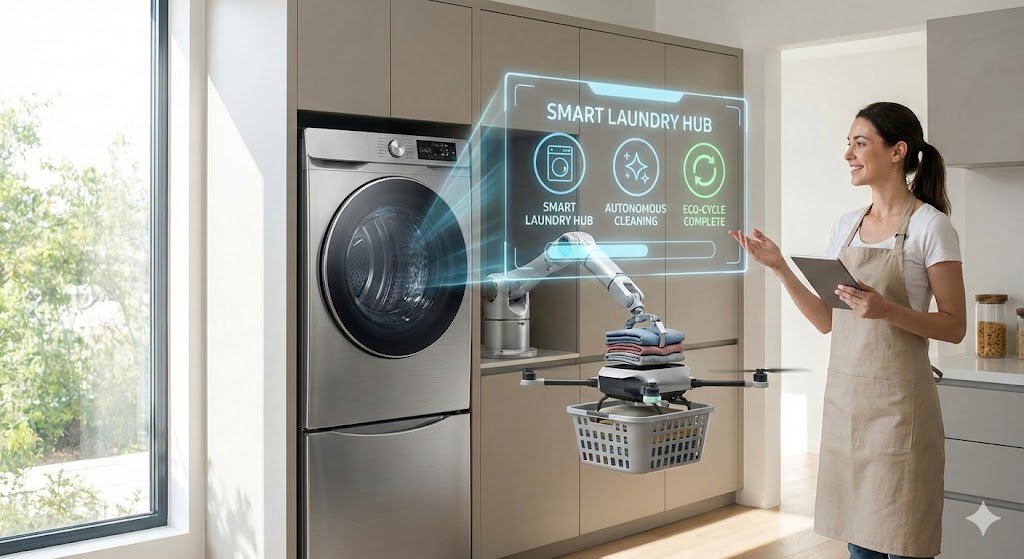
Laundry used to be a boring chore. Now, thanks to new technology, it’s changing fast. By 2026, laundry will be fully digitized. It will be seamless and customized for today’s families. Smart solutions are now essential for homeowners and laundry service providers. In this article, we’ll look at how new ideas are changing the laundry industry. We’ll explore the benefits of digitization. We will also explore how laundry app users are contributing to this change.
1. The Rise of Smart Laundry Solutions
Smart technology is transforming the way we perform household chores. With connected appliances, like IoT washing machines and app-controlled dryers, users can manage their laundry from anywhere. Homeowners can now start, pause, or schedule laundry from anywhere. This brings them great convenience.
Professional laundry app development has emerged as a crucial element in this ecosystem. Apps let users track wash cycles, get alerts when laundry is done, and check energy use. These apps offer more than convenience. They give users helpful tips to improve their laundry routines. This can lead to lower utility bills.
2. On-Demand Laundry Services at Your Fingertips
By 2026, the demand for on-demand laundry services is expected to surge. Busy professionals, students, and families want services that save time and ensure quality. With top-tier laundry app development, service providers can offer features such as:
- Pickup and Delivery Scheduling: Customers can set up laundry pickups and deliveries at times that are best for them.
- Real-time tracking: Users can check their laundry status in real time.
- Customized services: Options for eco-friendly washing, stain treatment, and fabric-specific care.
These apps streamline operations for laundry businesses while offering unmatched convenience to customers. Users don’t need to go to laundromats anymore. They can handle everything with a few taps on their mobile devices.
3. Enhanced Operational Efficiency for Laundry Businesses
For laundry service providers, efficiency isn’t about speed. It’s about smart management, too. Using a professional laundry app boosts business operations in many ways:
- Route optimization: Apps create efficient delivery routes. This saves fuel and cuts delivery times.
- Automated order management: Incoming orders are automatically sorted and prioritized, reducing human error.
- Inventory tracking: Businesses can manage detergents, washing supplies, and packaging materials efficiently.
This mix of operational intelligence and automation helps deliver services on time, every time, and at scale. As a result, businesses can handle more orders without compromising quality.
4. Data-Driven Customer Insights
A key benefit of laundry app development is collecting and analyzing customer data. By understanding user preferences, habits, and feedback, businesses can deliver highly personalized experiences.
Data can show which services are popular in specific areas. This helps businesses offer targeted promotions or add new services to meet demand. Apps can suggest eco-friendly washing options for customers who care about the environment. This helps brands stand out in a competitive market.
This data-driven approach changes laundry services. It turns a routine task into a personalized and enjoyable experience.
5. Integration with Smart Home Ecosystems
By 2026, laundry apps will likely fit well into larger smart home systems. Picture getting a message from your smart washing machine as you head home. It reminds you to schedule a pickup in the app if you can’t do it yourself.
Professional laundry app development ensures compatibility with voice assistants like Alexa and Google Assistant, IoT devices, and smart home hubs. This integration turns laundry management into a fully automated, hands-free task. It takes convenience to a whole new level.
6. Eco-Friendly Laundry Practices
Sustainability is becoming a major focus for consumers. Laundry apps in 2026 will offer convenience and promote eco-friendly choices. Options such as tracking water and energy usage, employing eco-friendly detergent tips, and scheduling tasks in batches can assist households in reducing their carbon footprint.
Laundry businesses using professional laundry apps can showcase eco-friendly services. This attracts customers who care about sustainability and social responsibility.
7. Security and Payment Innovations
Safety and convenience are top priorities for both users and businesses. Modern laundry apps offer safe payment options, digital receipts, and subscription plans for regular users. By 2026, tools like biometric authentication, digital wallets, and automated billing will speed up transactions. This will make the whole process faster and safer.
8. Challenges and Considerations
While the future of laundry is promising, there are challenges to consider:
- Initial costs: Developing a robust laundry app requires investment in technology and infrastructure.
- User adoption: Some users may take time to adapt to digital laundry management.
- Data privacy: Collecting and storing user data requires strict compliance with privacy regulations.
Laundry app development teams solve these challenges with scalable, secure, and user-friendly solutions. This helps to ensure a smooth and lasting adoption.
9. Why Businesses Should Invest in Laundry App Development
The benefits of a laundry app go beyond smooth operations. It also makes things easier for customers.
- Competitive edge: Early adopters gain a significant advantage in a rapidly digitizing market.
- Customer retention: Personalized experiences and reliable services build loyalty.
- Revenue growth: On-demand services, subscriptions, and upsells can significantly boost earnings.
By 2026, laundry businesses that don’t adopt digital solutions may fall behind. Competitors using technology will streamline operations and boost customer satisfaction.
10. Looking Ahead
In 2026, the laundry industry will emphasize seamless integration and automation. Solutions will also focus on customer needs. Smart technology and laundry apps will help households manage laundry easily. They will also allow businesses to grow effectively.
The future of laundry goes beyond clean clothes. It focuses on pickup and delivery optimization, eco-friendly practices, and data-driven personalization. This shift creates a smarter, more connected, and enjoyable experience for everyone.
Conclusion
As we move closer to 2026, the way we approach laundry is undergoing a dramatic shift. Smart technology, on-demand services, and laundry apps make managing laundry easier. This approach is efficient and focused on users’ needs. These innovations can improve your business or home operations and add convenience. They’re the key to staying ahead in the digital age.
