

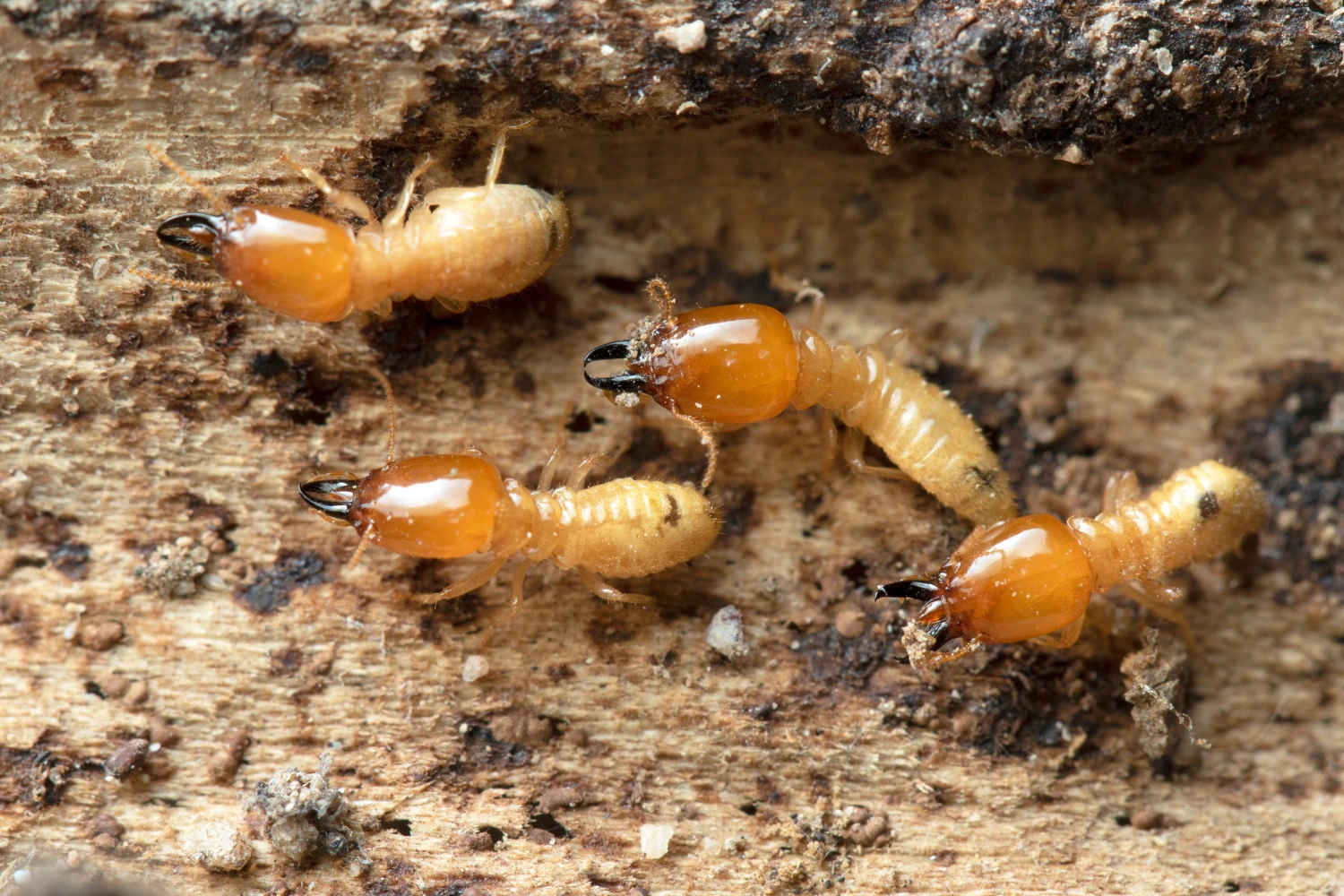
Termites are among the most destructive pests homeowners can face. Often working silently and out of sight, they can cause extensive structural damage before any obvious signs appear. Because of this, regular termite inspections are essential for protecting a property. Many homeowners wonder whether they can save money by performing a DIY termite inspection or if hiring a professional termite inspector is the better choice. While both approaches have their place, understanding the differences can help you make the best decision for your home and budget.
Understanding the Purpose of a Termite Inspection
The main goal of a termite inspection is to detect active infestations, identify previous damage, and uncover conditions that could attract termites in the future. Early detection is key, as it can prevent costly repairs and long-term structural issues. Whether done independently or by a professional, inspections aim to locate termites before they cause serious harm.
However, the effectiveness of an inspection largely depends on experience, tools, and knowledge of termite behavior—all areas where DIY and professional inspections differ significantly.
What a DIY Termite Inspection Involves
A DIY termite inspection typically involves a homeowner visually checking common termite-prone areas around their property. This approach is usually done without specialized tools and relies on basic knowledge of termite signs.
During a DIY inspection, homeowners may look for:
- Mud tubes along foundation walls
- Hollow-sounding wood when tapped
- Cracked or bubbling paint
- Discarded wings near windows or doors
- Wood damage in basements, crawl spaces, or attics
DIY inspections are often informal and performed occasionally, such as during home maintenance or cleaning. They can be helpful for spotting obvious issues but have limitations.
Advantages of DIY Termite Inspections
One of the biggest advantages of DIY inspections is cost. Homeowners can inspect their property without paying inspection fees, making it appealing for those on a tight budget.
Other benefits include:
- Convenience: Inspections can be done anytime without scheduling appointments.
- Increased awareness: Regular self-checks help homeowners become familiar with their home’s condition.
- Early visible detection: Obvious signs like mud tubes or swarmers can sometimes be caught early.
DIY inspections can serve as a first line of defense, especially between professional visits. However, they are not a complete solution.
Limitations of DIY Termite Inspections
While DIY inspections can be useful, they come with several drawbacks that can limit their effectiveness.
Lack of Expertise
Termites are skilled at hiding, and many signs of infestation are subtle. Homeowners may misidentify termite damage as water damage or general wear and tear. Conversely, they may overlook early warning signs entirely.
Limited Access
Termites often infest hard-to-reach areas such as inside walls, under flooring, or deep within crawl spaces. Most homeowners lack the tools or ability to safely access these spaces.
No Specialized Equipment
Professional inspectors use tools like moisture meters, infrared cameras, and probing devices to detect hidden activity. DIY inspections rely primarily on sight and sound, which may miss concealed infestations.
No Formal Documentation
DIY inspections do not provide official reports, which are often required during real estate transactions or insurance evaluations.
Because of these limitations, DIY inspections may provide a false sense of security if no obvious signs are found.
What a Professional Termite Inspection Includes
A professional termite inspection is a comprehensive evaluation performed by a trained and licensed pest control expert. These inspections are systematic, detailed, and designed to detect both active infestations and potential risk factors.
Professional inspectors typically:
- Examine the exterior foundation and perimeter
- Inspect crawl spaces, basements, and attics
- Check structural wood, support beams, and framing
- Assess moisture levels and ventilation
- Identify termite species and activity patterns
- Provide detailed reports and recommendations
Professionals are trained to recognize even minor indicators that homeowners might miss.
Advantages of Professional Termite Inspections
Professional inspections offer several significant benefits over DIY efforts.
Expert Knowledge
Licensed inspectors understand termite behavior, nesting habits, and species-specific risks. This allows them to identify problems at much earlier stages.
Advanced Tools
Professionals use specialized equipment to detect moisture, hollow wood, and hidden infestations without damaging the property.
Thorough Coverage
A professional inspection covers all accessible areas of the home, including spaces that are unsafe or impractical for homeowners to inspect on their own.
Accurate Assessment
Inspectors can distinguish between old damage and active infestations, helping homeowners avoid unnecessary treatments or repairs.
Official Documentation
Professional inspections provide written reports that are valuable for home sales, purchases, and long-term maintenance records.
Cost Comparison: DIY vs. Professional Inspections
At first glance, DIY inspections appear far cheaper since they involve little to no upfront cost. However, the long-term financial picture tells a different story.
A professional termite inspection typically costs a few hundred dollars, depending on location and property size. In contrast, missing an infestation during a DIY inspection can lead to repair costs that run into the thousands—or even tens of thousands—of dollars.
In many cases, professional inspections pay for themselves by preventing extensive damage and reducing the need for major treatments.
Which Option Is Better for Homeowners?
The answer depends on the homeowner’s goals, experience, and risk tolerance.
- DIY inspections are best used as a supplement, not a replacement. They are useful for routine monitoring and spotting obvious warning signs between professional visits.
- Professional inspections are the better choice for thorough, reliable detection, especially for annual maintenance, real estate transactions, or homes in termite-prone areas.
For most homeowners, a combination of both approaches provides the best protection: regular self-checks paired with scheduled professional inspections.
Special Situations Where Professional Inspections Are Essential
Professional inspections are especially important when:
- Buying or selling a home
- Living in a high-risk termite region
- Owning an older home
- Experiencing moisture or drainage issues
- Noticing unexplained structural damage
In these cases, relying solely on DIY inspections can be risky.
Conclusion
When comparing DIY termite inspections to professional inspections, the difference lies in depth, accuracy, and reliability. DIY inspections can help homeowners stay alert and identify obvious problems, but they lack the expertise and tools needed for comprehensive detection. Professional inspections offer peace of mind, early detection, and long-term savings by preventing costly damage.
Ultimately, while DIY inspections can play a supporting role, professional termite inspections remain the gold standard for protecting your home. Investing in expert inspections is not just about finding termites—it’s about safeguarding your property, finances, and future.
