

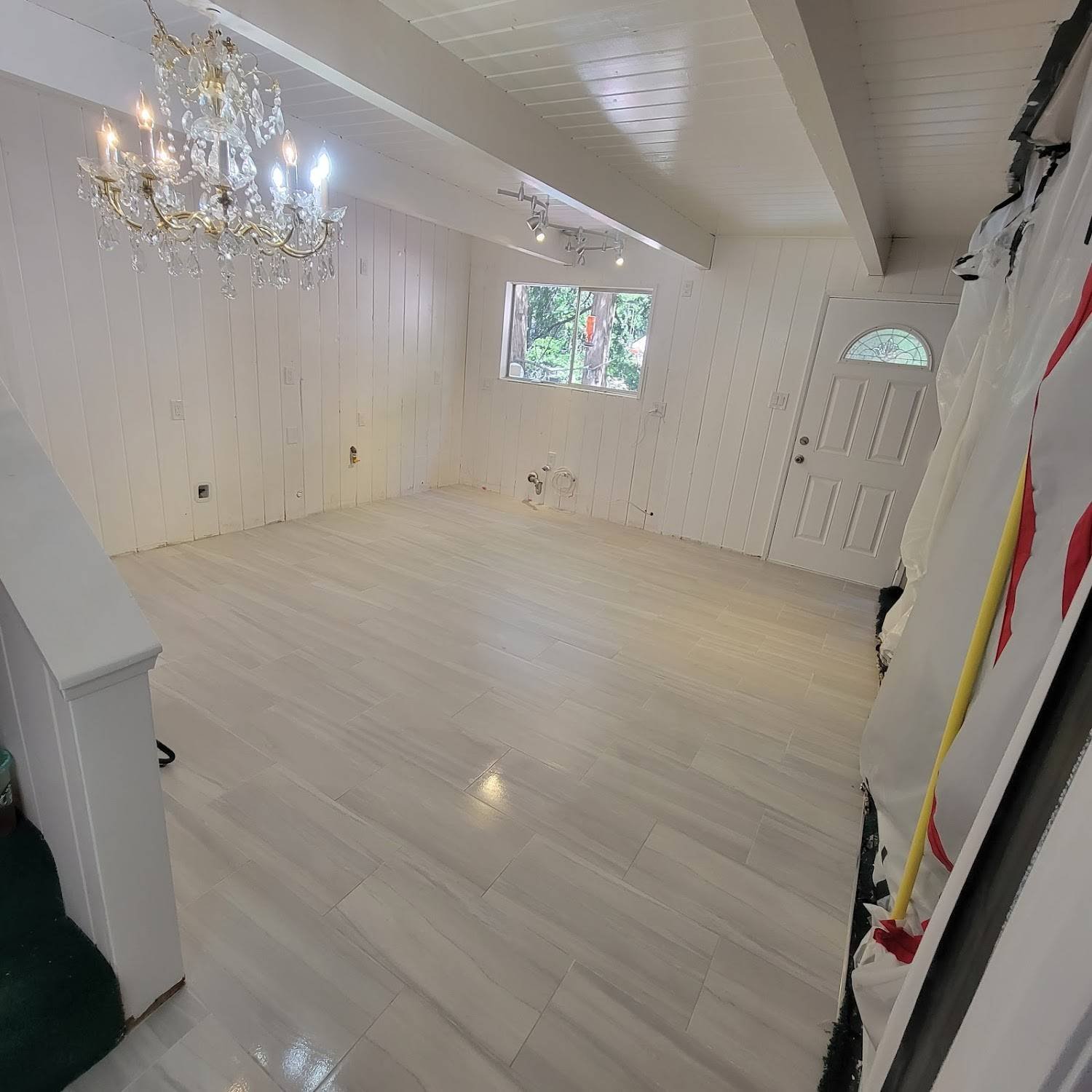
Home remodeling is the perfect opportunity to make your home more energy-efficient and environmentally friendly. With rising energy costs and growing awareness about sustainability, homeowners in Beaumont, CA, are increasingly seeking eco-friendly upgrades. Professional home remodeling can reduce utility bills, enhance comfort, and increase property value while minimizing environmental impact. This guide explores practical, effective ideas for an energy-efficient home remodel.
What is Eco-Friendly Home Remodeling and Why Does It Matter?
Eco-friendly home remodeling focuses on making sustainable choices in materials, energy use, and design. It emphasizes reducing energy consumption, water usage, and carbon footprint while improving home comfort and aesthetics. In Beaumont, CA, working with a home renovation company ensures projects meet efficiency and quality standards.
Benefits include:
- Lower energy bills
- Reduced environmental impact
- Enhanced indoor air quality
- Increased home value
Step 1: Upgrade Insulation and Windows
Proper insulation and energy-efficient windows are crucial for reducing heating and cooling costs. Upgrading insulation in walls, ceilings, and floors prevents heat loss in winter and keeps your home cool in summer.
Tips for insulation and windows:
- Use eco-friendly insulation materials like recycled denim or cellulose
- Install double or triple-pane windows with low-emissivity (Low-E) coatings
- Seal gaps to prevent air leaks
Learn more about energy-efficient windows and insulation options.
Step 2: Install Energy-Efficient Lighting
Switching to LED or CFL lighting can significantly reduce electricity use. Lighting choices not only affect energy bills but also the ambiance and functionality of your home, making it a key consideration in any home remodeling project in Beaumont, CA.
Lighting tips:
- Use LED bulbs in all rooms
- Install motion sensors or timers for outdoor lights
- Maximize natural light with skylights or larger windows
Step 3: Upgrade Heating and Cooling Systems
Replacing outdated HVAC systems with energy-efficient models can dramatically reduce energy consumption. Consider heat pumps, programmable thermostats, and zoned heating systems.
Key points:
- Choose Energy Star-rated units
- Schedule regular maintenance to maximize efficiency
- Use smart thermostats to optimize energy usage
Step 4: Incorporate Solar Panels and Renewable Energy
Solar panels are a long-term investment that reduces reliance on the grid and lowers energy bills. Homeowners can also explore other renewable energy options, such as small wind turbines or solar water heaters.
Considerations:
- Assess roof space and sunlight exposure
- Check local incentives or rebates for renewable energy
- Work with expert contractors for installation
Step 5: Use Sustainable Building Materials
Eco-friendly remodeling relies on materials that are renewable, recycled, or low in volatile organic compounds (VOCs). Choosing the right materials helps improve indoor air quality and reduce environmental impact.
Popular sustainable materials:
- Bamboo or reclaimed wood flooring
- Low-VOC paints and finishes
- Recycled metal, glass, or composite countertops
Step 6: Upgrade Plumbing Fixtures
Water-efficient fixtures conserve water and reduce utility bills. Replacing toilets, faucets, and showerheads with low-flow models is a simple yet impactful upgrade.
Tips:
- Install dual-flush toilets
- Use aerators on faucets
- Consider smart irrigation systems for landscaping
Step 7: Improve Home Layout for Passive Design
Passive design uses natural heating, cooling, and lighting to improve efficiency. Proper window placement, shade, and ventilation reduce reliance on mechanical systems.
Strategies include:
- South-facing windows for natural light
- Overhangs or pergolas to block summer heat
- Ventilation for natural airflow
Step 8: Implement Smart Home Technology
Smart home systems help monitor and control energy usage, from lighting to appliances and thermostats. These technologies can significantly reduce waste and increase convenience.
Smart home upgrades:
- Smart thermostats and HVAC controls
- Energy-monitoring plugs and apps
- Automated lighting systems
Step 9: Maintain Your Energy-Efficient Home
Even after remodeling, proper maintenance is essential for sustained efficiency. Regularly inspect insulation, seals, HVAC systems, and appliances.
Maintenance tips:
- Clean HVAC filters and ducts
- Inspect windows and doors for leaks
- Update lighting and appliances when needed
Step 10: Choose the Right Contractors
Working with skilled professionals ensures your eco-friendly remodeling goals are met efficiently and correctly. Look for local expertise and experience in sustainable construction.
Jayrock Tile & Marble is a trusted home renovation company in Beaumont, CA, specializing in energy-efficient and sustainable home remodels.
Conclusion
Eco-friendly home remodeling is an investment that benefits both your wallet and the environment. From insulation and energy-efficient appliances to sustainable materials and smart technologies, homeowners in Beaumont, CA, can create a greener, more comfortable home. Partnering with skilled professionals like Jayrock Tile & Marble ensures quality, efficiency, and long-lasting results.
Contact Jayrock Tile & Marble today to start your sustainable home remodeling project!
FAQs
1. What is eco-friendly home remodeling?
Eco-friendly remodeling involves upgrades that reduce energy use, conserve water, use sustainable materials, and minimize environmental impact while improving home comfort.
2. How can I make my home more energy-efficient?
Upgrade insulation, install energy-efficient windows, use LED lighting, replace appliances with Energy Star-rated models, and consider solar panels.
3. Are sustainable materials more expensive?
While some eco-friendly materials cost more upfront, they often save money long-term through durability, energy efficiency, and reduced maintenance.
4. How long does an energy-efficient remodel take?
A typical eco-friendly home remodel can take 6–12 weeks, depending on scope, size, and material availability.
5. Can I remodel my home sustainably on a budget?
Yes, by prioritizing upgrades with the highest energy savings, using recycled materials, and incorporating incremental improvements over time.
