

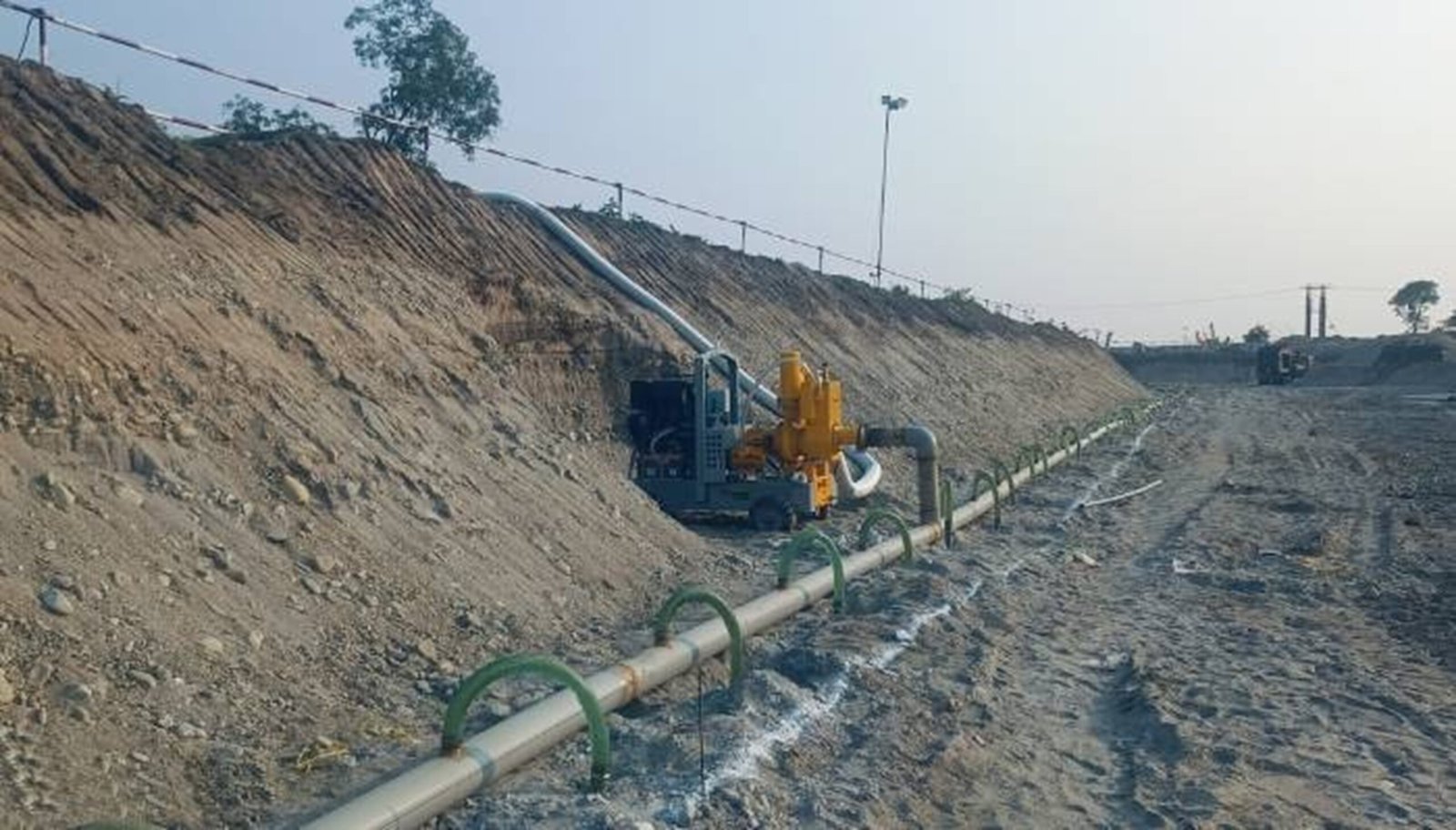
Excess water in any area of management may become a tricky issue, particularly when there is a constant variation in the ground conditions. With the right planning and equipment, an efficient dewatering system can help you maintain stability, improve safety and keep your project running smoothly. To start with better drainage, it is important to know the site and select an appropriate tool and hence, the following are practical tips that can help you achieve the best results.
Understand Your Water Flow and Site Conditions
Before setting up any dewatering system, take time to assess the type of water you are dealing with. Groundwater is extremely different when compared to accumulated rainwater or surface runoff. You should be aware of the speed of the water filling the space, the presence or absence of silt, and the depth of the water pool. Such considerations will inform your decision on what equipment to purchase and how to prevent pump overload or clogging that result in downtime.
The level of sediment is also significant. A typical pump can be destroyed easily by water containing mud or sand. In such cases, heavy duty pumps are better suited and they have a long life span. Knowing your site you can make the working environment safer, more predictable.
Choose Suitable Pumps for the Task
Each site is unique, and therefore the selection of the appropriate pump is essential. Those submersible pumps can be used in situations where the water is accumulated in deeper pits or trenches since they work directly under the water. Surface mounted units can be a sensible choice in the case of shallow or temporary water storage because they can be easily transported and relocated.
In places where electricity is unstable, diesel dewatering pumps offer the mobility and strength needed for continuous work. Diesel dewatering pumps also allow you to shift equipment across large or remote sites without depending on external power sources. A mix of different types of pumps is also flexible in many construction teams as conditions shift at the construction site.
Maintain Your Pumps Regularly
Even good diesel dewatering pumps will not perform well without proper maintenance. Checking often avoids problems and undesirable failures. Wash filters, check hoses, and all seals. In case the water is carrying debris, then cleaning should be a daily routine and not a weekly activity.
In the case of diesel powered pumps, it is necessary to check oil levels, air filters and fuel quality. There are also dusty, muddy, wet conditions that may put strain on engines and therefore even some basic care will keep the engines going in the same manner. Long term replacement costs are also minimised by good maintenance.
Plan How and Where to Discharge Water
A great dewatering system does not only remove water but directs it safely to the right place. Determine the place where to pump out water. Ideally, a drainage channel or a sanctioned outflow zone where water will not re-enter your workspace should be the result of discharge.
In the event of heavy sediment in the water, you might require filtration or settling before discharge. This prevents silting of surrounding areas and avoids clogging of the downstream channels. It is always better to plan your route of discharge to prevent re-work, flooding or soil erosion.
Stay Flexible as the Project Progresses
There is no location that is 100 percent predictable. It may include more rainfall, or groundwater behaviour may change with time, or even more excavation. This is the reason why flexibility is important. A good dewatering system should be easy to scale, whether that means increasing pump capacity or changing the type of equipment used.
Portable pumps assist teams to adapt at a short time since their use can be transferred to another site as the work proceeds. In cases where the project requires short-term solutions, it is also possible to rent more pumps in order to support the workflow without significant initial investments.
Conclusion
The drainage process starts with proper selection of the method, equipment maintenance and stage preparation. An efficient dewatering system supports safety, prevents delays and helps you stay in control even when conditions become unpredictable. Cosmos Pumps is a trusted partner when you need solutions that can be relied on because of experience. Today, call Cosmos Pumps to get professional advice and high performance pumping systems to ensure your site is dry and productive.
