

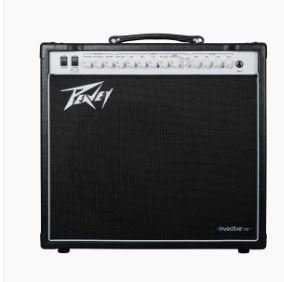
You spend years shaping your sound. You swap strings, tweak pedals, and chase tones late into the night. Yet the amp, the piece of gear that actually pushes sound into the room, often gets attention only when something goes wrong. Most amp problems do not arrive suddenly. They build quietly through heat, dust, and small habits repeated over time.
This blog explains how care fits naturally into your playing life, how simple routines protect tone, and how long-term thinking keeps your amp dependable for years.
Building a Long-Lasting Relationship with Your Amp
An amp does not fail because you use it. It fails because stress builds unnoticed. In the first few years, the electric guitar amp usually sounds fine even with poor habits. Over time, those habits chip away at clarity, response, and reliability. Maintenance works best when you treat it as part of playing, not as a repair task. Small actions done often matter more than rare, deep fixes.
Daily and Weekly Habits That Preserve Performance
Start with power. Turn the amp on only after everything connects properly. Let it sit for a short moment before you play, especially if it uses tubes. When you finish, lower the volume first, then shut it down. These steps reduce internal stress and heat spikes.
Volume control matters more than many players think. Running the amp wide open for long periods strains components. You can still play loud, just give the amp breaks during long sessions. Short pauses allow heat to drop and parts to relax.
Cables also shape longevity. Plug and unplug with care. A loose input jack causes crackling and signal loss later. Coil cables loosely and keep them off the amp top. Small knocks add up over time.
Keeping Your Amp Clean Without Causing Harm
Dust looks harmless, yet it traps heat and sneaks into vents. Heat shortens component life. Wipe the exterior with a dry or lightly damp cloth. That is enough for regular care. Avoid sprays near openings.
Air vents need attention. Use gentle air pressure to clear them. Never push dust inside. Do not open the amp unless you have training. Internal parts store dangerous voltage even when unplugged.
Grilles and corners collect grime from rooms and stages. Clean them slowly. Rushing scratches surfaces and loosens coverings. A clean amp runs cooler and stays quieter.
Tube and Solid-State Amps, Different Needs, Same Goal
Tube amps age in visible ways. Tubes wear down like strings. Tone dulls, noise appears, and response softens. You might hear ringing when you tap the amp lightly. That signals a tired tube. Replace tubes before they fail fully. This habit keeps the tone steady and avoids stress on other parts.
Solid-state amps ask for less attention, but not zero care. Heat still matters. Keep vents clear and avoid sealing the amp in tight spaces. Fans and cooling paths need airflow to work properly.
Both designs share one truth. Clean power and clean airflow extend life. No circuit enjoys dirt, heat, or shock.
Environment, Storage, and Transport Considerations
Rooms shape how amps age. Extreme heat dries materials and weakens solder joints. Cold stiffens components and invites condensation when temperatures rise again. Keep your amp in a space with steady conditions when possible.
Humidity causes slow damage. Moisture creeps into metal parts and connections. If you store an amp long-term, cover it with breathable fabric. Avoid plastic that traps moisture.
Transport adds another layer of stress. Speakers shake. Tubes vibrate. Carry the amp upright. Use padded covers. After a long travel, let the amp rest before powering on. This pause allows parts to settle and reach room temperature.
Knowing When Professional Attention Is Necessary
Some sounds mean stop. Persistent hum, sharp crackle, or volume drops signal deeper issues. Burning smells or unusual heat demand immediate shutdown. Playing through these signs worsens damage.
Resist quick fixes. Opening an amp without skill risks injury and costly mistakes. A trained technician sees problems early and fixes them cleanly.
Schedule checkups based on use. A touring player needs service more often than a home player. Regular inspection costs less than emergency repair and keeps the tone consistent.
Developing a Long-Term Maintenance Mindset
Maintenance shapes how confidently you play. When your amp responds the same way each time, you trust it. That trust frees your attention. You listen more closely. You react faster.
Think of care as part of your routine, like tuning or restringing. You do not wait for failure there either. Over time, your amp reflects your habits. It becomes familiar, stable, and expressive because you allowed it to age gently.
Conclusion
Great sound lasts longer when you respect the tool behind it. You do not need technical knowledge or constant servicing to keep an amp healthy. You need awareness, patience, and steady habits.
Over the years, a well-kept electric guitar amp becomes more than equipment. It becomes a reliable voice that grows with you, carries your style, and stays ready when inspiration strikes.
