

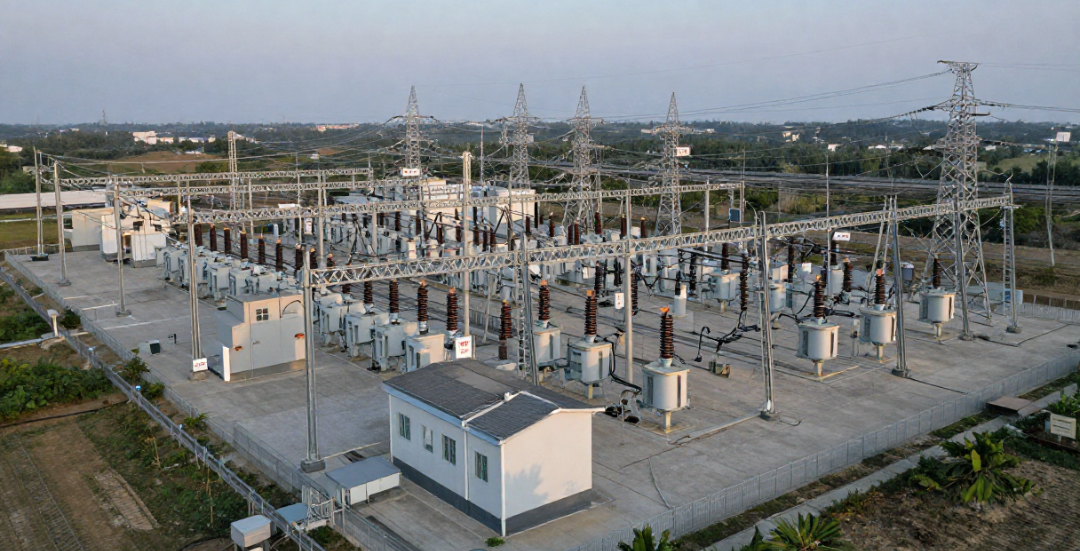
Designing a modern substation is far more complex than simply connecting equipment and ensuring power flows from point A to point B. Today’s power systems demand reliability, flexibility, safety, and scalability—all while staying cost-effective. Whether you’re working on a new installation or upgrading an existing facility, understanding the common challenges in substation engineering design is essential for long-term success.
In this article, we’ll explore the top challenges engineers face in electrical substation design and provide practical solutions to overcome them.
1. Managing Increasing Power Demand
One of the biggest challenges in substation design is accommodating rapidly growing power demand. Urban expansion, industrial development, and the rise of electric vehicles are putting additional stress on power systems.
Solution:
Engineers must design substations with future expansion in mind. This includes:
- Allocating extra space for additional feeders or transformers
- Using modular designs that allow easy upgrades
- Implementing scalable switchgear configurations
By planning for growth during the initial substation engineering design phase, costly redesigns and disruptions can be avoided later.
2. Ensuring System Reliability and Redundancy
Power outages can have serious economic and social consequences. A poorly designed substation may become a single point of failure in the grid.
Solution:
Reliability can be improved by:
- Incorporating redundancy through double busbar or breaker-and-a-half schemes
- Installing backup protection systems
- Using high-quality, tested components
A well-thought-out electrical substation design ensures that even if one component fails, the system continues operating without interruption.
3. Space Constraints and Layout Optimization
In urban areas especially, land availability is limited and expensive. Designing a substation within a confined space while maintaining safety and accessibility is a major challenge.
Solution:
To optimize space:
- Use Gas Insulated Switchgear (GIS) instead of Air Insulated Switchgear (AIS)
- Adopt compact layouts and vertical arrangements
- Utilize 3D modeling tools for efficient planning
Modern substation engineering design leverages advanced software to simulate layouts and identify the most space-efficient configurations without compromising safety.
4. Meeting Safety and Compliance Standards
Substations must comply with strict international and local safety regulations. Failure to meet these standards can result in hazards, penalties, and operational shutdowns.
Solution:
Engineers should:
- Follow standards such as IEC, IEEE, and local regulatory codes
- Ensure proper grounding and earthing systems
- Include clearances, fire protection, and fault protection systems
Safety should never be an afterthought in electrical substation design. Instead, it must be integrated from the earliest stages of planning.
5. Integration of Renewable Energy Sources
With the global shift toward renewable energy, substations now need to handle variable and decentralized power inputs from solar and wind sources.
Solution:
To support renewable integration:
- Design flexible protection schemes
- Use advanced control and monitoring systems (SCADA)
- Incorporate energy storage solutions
A modern substation engineering design must be adaptable to fluctuating power flows and capable of maintaining grid stability despite variability.
6. Cost Management Without Compromising Quality
Budget constraints are a common issue in infrastructure projects. However, cutting costs in substation design can lead to long-term inefficiencies or failures.
Solution:
Balance cost and quality by:
- Conducting lifecycle cost analysis instead of focusing only on initial expenses
- Selecting reliable yet cost-effective equipment
- Optimizing design to reduce material and construction costs
An efficient electrical substation design focuses on long-term performance, not just short-term savings.
Final Thoughts
Substation design is a critical component of modern power systems, and the challenges involved are becoming more complex with evolving technologies and increasing demand. From ensuring reliability to integrating renewable energy, each challenge requires careful planning and innovative solutions.
By adopting best practices in substation engineering design, engineers can create systems that are not only efficient and safe but also future-ready. Whether you’re designing a small distribution substation or a large transmission facility, addressing these challenges early will ensure smoother operations and better performance over time.
At Keentel Engineering, we believe that smart planning and expert execution are the keys to successful electrical substation design. With the right approach, even the most complex challenges can be turned into opportunities for innovation and growth.
