

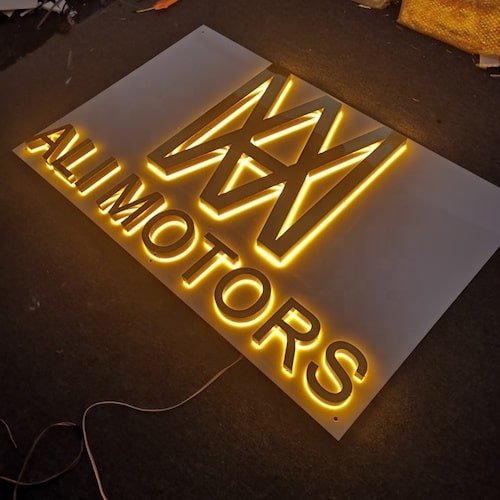
Modern corporate environments are increasingly focusing on creating professional and engaging office spaces that reflect their brand identity. The physical office environment plays a significant role in influencing both employee morale and client perception. One of the most effective ways to enhance these spaces is through the use of dimensional signage. 3D Signage adds depth, elegance, and sophistication, turning ordinary walls and reception areas into impressive brand statements.
Corporate offices, conference rooms, and lobbies often use three-dimensional signage to make a lasting impression. Unlike flat signs, dimensional designs catch the eye and offer a tactile, visually dynamic element that resonates with visitors and staff alike.
Importance of 3D Signage in Corporate Branding
Dimensional signage communicates professionalism and attention to detail. For businesses that prioritize branding, a simple logo on a flat surface may not be enough to convey credibility. 3D Signage gives the brand a tangible presence, reinforcing the company’s values and aesthetic.
Well-designed corporate signage can also serve as a focal point in office design. From reception areas to meeting rooms, dimensional signs create a sophisticated environment that aligns with the company’s image and mission.
Material Choices for Corporate Signage
Corporate 3D Signage is often created using high-quality materials such as acrylic, stainless steel, aluminum, PVC, and brass. These materials offer durability and allow for a polished finish that reflects the professionalism of the organization. Acrylic provides a sleek, contemporary look, while metals like stainless steel and brass offer premium, timeless aesthetics.
Lighting and Visual Appeal
In corporate spaces, lighting plays a critical role in enhancing dimensional signage. LED lights, halo effects, and backlighting make the signage stand out and add a modern flair to lobbies and corridors. Proper lighting ensures that the signage is visible from various angles and reinforces the office’s brand presence.
Design Techniques for Maximum Impact
Corporate signage design requires thoughtful planning. Font selection, letter size, spacing, and color contrast all contribute to legibility and aesthetic appeal. Companies often combine materials and lighting effects to create signs that not only identify the brand but also tell a visual story.
Applications of Dimensional Signage in Offices
3D Signage is versatile and can be applied across various corporate environments. Reception areas often feature a prominent logo sign to impress visitors. Directional signs, room identifiers, and department markers help guide employees and guests efficiently. Conference rooms and executive offices may also include dimensional wall signage to reinforce corporate culture.
The tactile nature of 3D Signage makes it suitable for high-traffic areas, ensuring that signs remain noticeable over time. The combination of style, functionality, and durability makes dimensional signage a valuable investment for corporate offices.
Future Trends in Corporate Signage
Corporate signage continues to evolve with technological advancements. Laser cutting, CNC fabrication, and 3D printing allow for intricate designs with precise detailing. Businesses are increasingly integrating eco-friendly materials and energy-efficient lighting solutions to align with sustainability goals.
Interactive signage may also become more common in offices, offering digital displays alongside dimensional elements for enhanced communication. These trends suggest that 3D Signage will remain a crucial tool for office design and branding.
FAQS
What is the benefit of using 3D signage in office spaces?
3D signage enhances professionalism, strengthens brand identity, and creates visually engaging spaces that impress visitors and employees.
Are there specific materials recommended for corporate signs?
Yes, commonly used materials include acrylic, stainless steel, aluminum, PVC, and brass, each chosen based on desired appearance, durability, and budget.
Can 3D signage be illuminated in corporate offices?
Absolutely. LED lighting, halo lighting, and backlit options make corporate signage more visible and visually striking.
Is 3D signage suitable for all types of corporate environments?
Yes, dimensional signage can be adapted for reception areas, hallways, conference rooms, and executive offices.
Conclusion
3D Signage plays a transformative role in corporate office design, offering a combination of style, functionality, and brand reinforcement. By incorporating high-quality materials, creative designs, and effective lighting, businesses can elevate their spaces and leave a lasting impression on visitors and employees alike.
Professional signage providers like Ajwaa provide expert solutions for implementing high-quality corporate signage. To explore modern corporate signage services, visit Ajwaa https://ajwaa-sign.com/. How can 3D signage reflect my company’s values? What materials will ensure a professional and lasting appearance? Can lighting enhance visibility and office aesthetics? What are the long-term benefits of investing in dimensional signage?
